How to bury a snake or lizard at home, safely and with care
Check you're allowed to bury on your land, choose a spot away from water and pipes, wrap your reptile in natural cloth or a cardboard box, and dig at least two feet deep with a flat stone on top. If your reptile was euthanized, cremation is usually the safer choice.
By the Reptile Cremation Services editorial team · Updated September 24, 2026 · 4 min read · Sources
- A step-by-step burial you can do in an hour
- How to keep foxes and dogs from digging
- Planters, frozen ground and renting
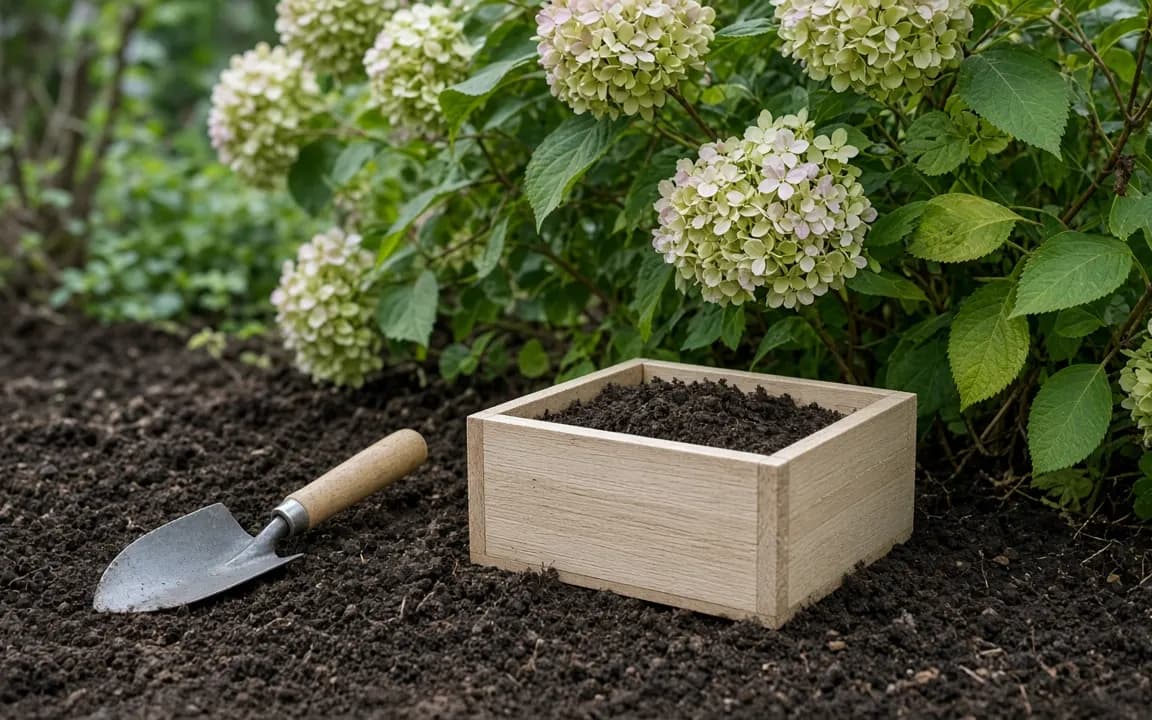
Before you dig
Are you allowed to bury a reptile at home?
In most places, yes, if it's your pet, on land you own or have permission to use, and it didn't die of a disease that has to be reported. Home burial is common: 27% of UK owners in the competition regulator's survey had buried their pet at home,[1] and about 35% of US owners in one survey said home burial would be their preferred choice.[2]
The details differ. Some countries set a minimum depth; Germany, for instance, requires at least min 50 cm soil[3] over a buried pet. Burial in public places is widely prohibited; in Japan it's illegal to bury animals in parks or forests.[4] If you rent, ask your landlord. Our locations pages summarize how local rules tend to vary. In England, the Environment Agency's guidance on animal burials adds distance rules from wells, springs and watercourses.
Choosing the place
Where is the right spot in the garden?
- Away from water: wells, streams, ponds and drains, and out of any area that floods.
- Away from food: not in the vegetable patch or under fruit bushes.
- Clear of pipes and cables. In the US, call 811 (the national call-before-you-dig service) a few days before digging so utility lines can be marked.
- Somewhere you'll keep: a corner you won't be building a shed or patio on.
- Somewhere that means something: under the plant your tortoise grazed, or in a sunny spot like the basking patch your lizard loved.
Step by step
How do you bury a snake or lizard?
- Wear gloves while handling your reptile. Most reptiles carry Salmonella, and the risk is taken seriously enough that the US has banned sales of small turtles since 1975.[6] Wash your hands afterwards, as the CDC advises anyone who handles reptiles.
- Wrap your reptile in a cotton pillowcase, a tea towel or paper, then place it in a cardboard box or untreated wooden box. Avoid plastic bags and plastic boxes, which slow natural breakdown.
- Arrange it gently. Lay a snake in a loose coil, the way it rested. A lizard can lie as if basking.
- Add something personal, if you like: a shed, a dried leaf from its enclosure, a paper note. Nothing plastic or metal.
- Dig deep. Aim for at least two feet of soil above the box, and more where foxes, raccoons or dogs are common.
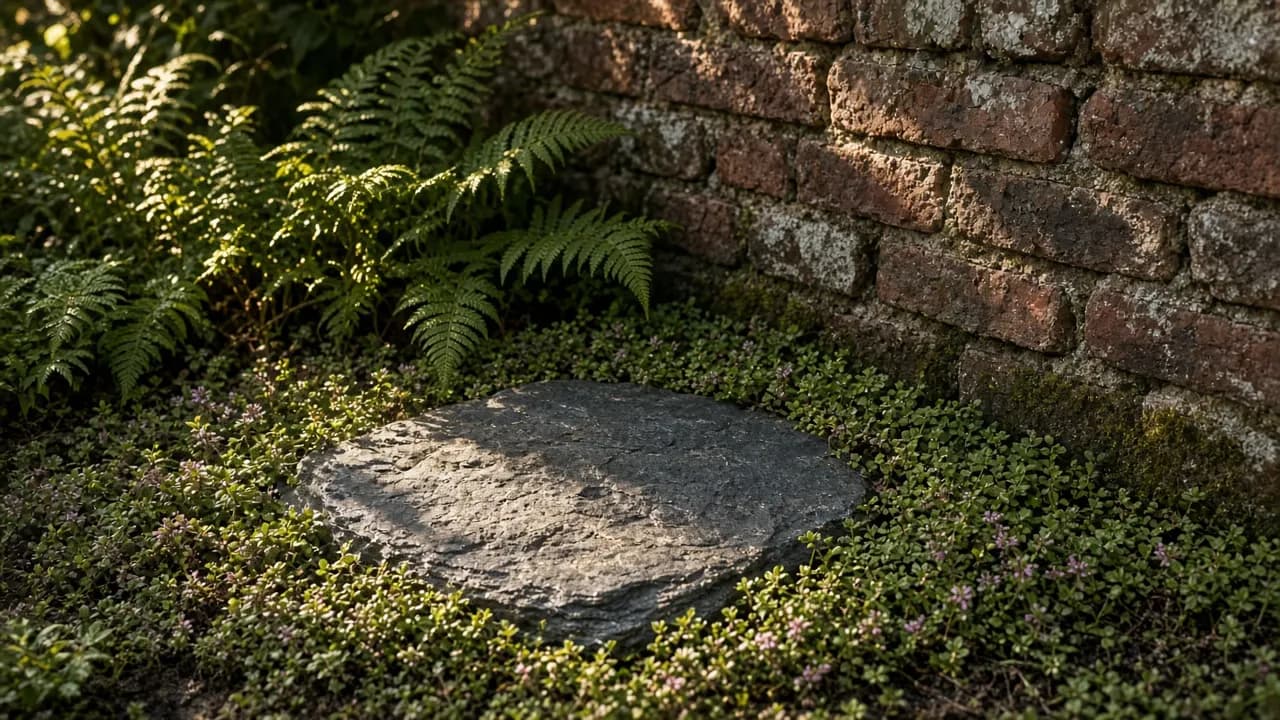
- Cover and protect. Refill the hole, firm the soil, and lay a paving slab or large flat stone on top.
- Mark it with a plant, a painted stone or a small plaque, so the spot isn't disturbed later.
For a long snake, dig a wider hole rather than folding it tightly. For a very heavy tortoise, burial is hard physical work, and a crematory is usually more practical; see cremation vs burial for reptiles.
Small reptiles
Can you bury a small gecko or snake in a planter?
Yes, and many keepers of small reptiles do. A large, deep pot filled with good soil and planted with something lasting, such as a lavender, a small conifer or a hardy succulent, makes a portable grave. If you move house, it comes with you. Put your reptile near the bottom, wrapped in cloth, with plenty of soil above.
Keep the planter outdoors or in a shed while the body breaks down, which takes some months. Indoors, even a well-sealed pot isn't ideal. If you'd rather have something you can keep inside, cremation followed by a small urn or a planted memorial is the gentler route; our memorial ideas for reptile keepers has several.
For a small lizard or gecko, would you still choose private cremation knowing only a pinch of ash may come back?
Tap an answer to vote and see how others answered. Anonymous.
Awkward timing
What if the ground is frozen or you can't bury right away?
Keep your reptile sealed in two bags inside a lidded tub in the freezer until the ground thaws. That's common practice in cold climates and perfectly respectful. Label the tub clearly. When spring comes, let it thaw in the fridge for a day before burying.
When you do bury, it can help to make a small occasion of it. Choose a mild, dry day. Let everyone who knew your reptile say something, even a single line about the way it climbed, hunted or basked. Children often like to decorate the marker stone or plant something on top. None of it needs to be elaborate; what matters is that the goodbye feels like yours.
The same applies if you're moving house soon, or haven't decided yet. A short wait costs nothing and keeps all your options open. Our guide to moving and storing a reptile covers fridge and freezer storage in more detail.
Other routes
What if home burial isn't right for you?
Many pet cemeteries accept reptiles, and a small grave is often one of the cheaper options they offer: by our estimate from posted US price lists, the median is ~$350[7] for a small pet's whole-body burial. Private cremation for a small reptile usually costs less, and the ashes can be buried at home later without any of the depth or drug concerns.

Free tool
Aftercare options compared
Compare private, communal and water cremation with burial on cost, timing and what comes home.
The aftercare options comparison above sets burial, cremation and water cremation side by side for your reptile. If you'd like cremation prices near you, send us a quick request, or see our reptile aftercare services. For a sense of the whole cost, including a marker or keepsake, try the memorial budget planner.

Reader polls
What would you choose?
Vote anonymously and see how other readers answered. The results are live counts from people who visit this site, so they show real opinions, not a scientific sample.
For a small lizard or gecko, would you still choose private cremation knowing only a pinch of ash may come back?
Tap an answer to vote and see how others answered. Anonymous.
If you had to decide today, which aftercare would you choose for your pet?
Tap an answer to vote and see how others answered. Anonymous.
What personal touch matters most on a memorial?
Tap an answer to vote and see how others answered. Anonymous.

Questions people ask
How deep should I bury a snake?
At least two feet of soil above the body, more if foxes, raccoons or dogs are around. Long snakes need a wider hole rather than a deeper one, so they can lie in a loose coil. A flat stone or paving slab on top stops animals digging.
Can I bury my lizard in a plastic box?
It's better not to. Plastic slows natural breakdown and stays in the soil for decades. Use a cardboard shoebox, an untreated wooden box or simply a cotton cloth. If you're worried about animals digging, going deeper and adding a heavy stone on top does more than a plastic box would.
How long does it take for a small reptile to decompose when buried?
It depends on the size, the soil, moisture and temperature. A small gecko wrapped in cloth may break down in a few months; a larger lizard or snake can take a year or more, and bones remain far longer. Cold or dry soil slows the process.
Is it safe to bury a reptile near my vegetable garden?
Keep a good distance. Reptiles commonly carry Salmonella, and while burial deep in soil limits the risk, it's sensible to choose a spot well away from anything you'll eat. Flower beds, shrub borders and lawn corners are better choices.
Can I bury my reptile in a park or on the beach?
Generally, no. Burying animals on public land is prohibited in most places, and a shallow grave in a park is likely to be disturbed. If you'd like your reptile to rest somewhere meaningful outside your home, consider cremation and scattering the ashes, with permission where it's needed.


Sources and our estimates
- [1] In the same CMA survey, 27% of UK owners buried their pet at home and 2% used a pet burial company elsewhere. UK Competition and Markets Authority - Veterinary services for household pets, Provisional decision report Part A (Oct 2025), 2025.
- [2] Asked their preferred future after-death care, 40.4% of US owners chose traditional flame cremation and 34.9% home burial; 10.7% chose cemetery burial and 1.9% alkaline hydrolysis (aquamation). Cooney, Kogan, Brooks, Ellis - Pet Owners' Expectations for Pet End-of-Life Support and After-Death Body Care, Topics in Companion Animal Medicine (2020), 2020.
- [3] German home burial of pets requires at least 50 cm of soil cover and is not permitted in water- or nature-protection areas. deine-tierwelt.de - Tierbestattung: Diese Moeglichkeiten gibt es und das kosten sie (Nov 2023), 2023.
- [4] In Japan, communal (goudou) pet cremation is often about half the price of higher-tier individual services, and it is illegal to bury animals in public places such as parks or forests. GaijinPot - When Your Pet Dies in Japan (Feb 2024), 2024.
- [5] Since 2003 the FDA has required euthanasia drug labels to warn that euthanized animals must be disposed of by deep burial, incineration or another approved method to keep scavenging wildlife from eating the carcass. Cornell Waste Management Institute & Penn State - Horse Mortality: Carcass Disposal Alternatives (2012), 2003.
- [6] Since 1975 it has been illegal in the U.S. to sell turtles with shells under 4 inches; CDC estimates the ban prevents about 100,000 Salmonella infections in children each year. U.S. CDC - Healthy Pets: Reptiles and Amphibians, 1975.
- [7] Across five posted US pet-cemetery price lists, the median whole-body burial for a small pet, including plot and opening/closing, was about $350. Our estimate: median of [Rainier $150 plot incl. first burial, Cedar Bend $290, Forest $350, Great River $750, Precious Memories $1,500]. How we calculate.
Prefer cremation? Get local options
Tell us what you need and where you are. We'll reply by email with clear options and prices so you can decide in your own time.