Getting your reptile to the vet or crematory safely, whatever its size
Double-bag your reptile with gloves on, keep it in a sealed tub in the fridge or a cool box, and take it to the vet or crematory within a day or two, or freeze it if the wait will be longer. Large tortoises and pythons need a rigid container and two people.
By the Reptile Cremation Services editorial team · Updated September 24, 2026 · 5 min read · Sources
- Step-by-step wrapping and cooling
- How to lift a heavy tortoise or long snake
- Collection, drop-off and what can't be posted
Before you move anything
How should you prepare your reptile's body for the journey?
First, be sure. Reptiles can look dead when they're very cold or in brumation, so if there's any doubt, let a vet check before you chill or wrap anything. Our guide to telling death from brumation lists the signs to look for. Once death is confirmed, the steps are simple, and the same for almost every species.
- Put on disposable gloves. Most reptiles carry Salmonella; the US even bans sales of small turtles for that reason, a rule the CDC's reptile guidance credits with preventing around 100,000 infections in children a year.[1]
- Lay a soft cloth or paper towel in a plastic bag and place your reptile on it, in a natural resting position if you can.
- Seal that bag, then place it inside a second bag or a lidded tub.
- Label the outside with your reptile's name, species, your phone number and, if it applies, VENOMOUS.
- Wash your hands well afterwards, and clean any surface the body touched.
Keeping cool
How long can you keep a reptile's body before cremation?
In a fridge, a day or two is generally fine. At room temperature, especially in summer or in a heated reptile room, aim to have your reptile chilled within a few hours. Freeze if the wait will be longer than two days, unless you want a post-mortem, which works much better on a body that hasn't been frozen. If you haven't yet decided between cremation and burial, the cremation vs burial guide can help while your reptile is safely chilled.
| Where | How long | Good for |
|---|---|---|
| Room temperature, cool spot | A few hours | Waiting for a vet to confirm death |
| Fridge, sealed tub, bottom shelf | About 1 to 2 days | Most cremations and any post-mortem |
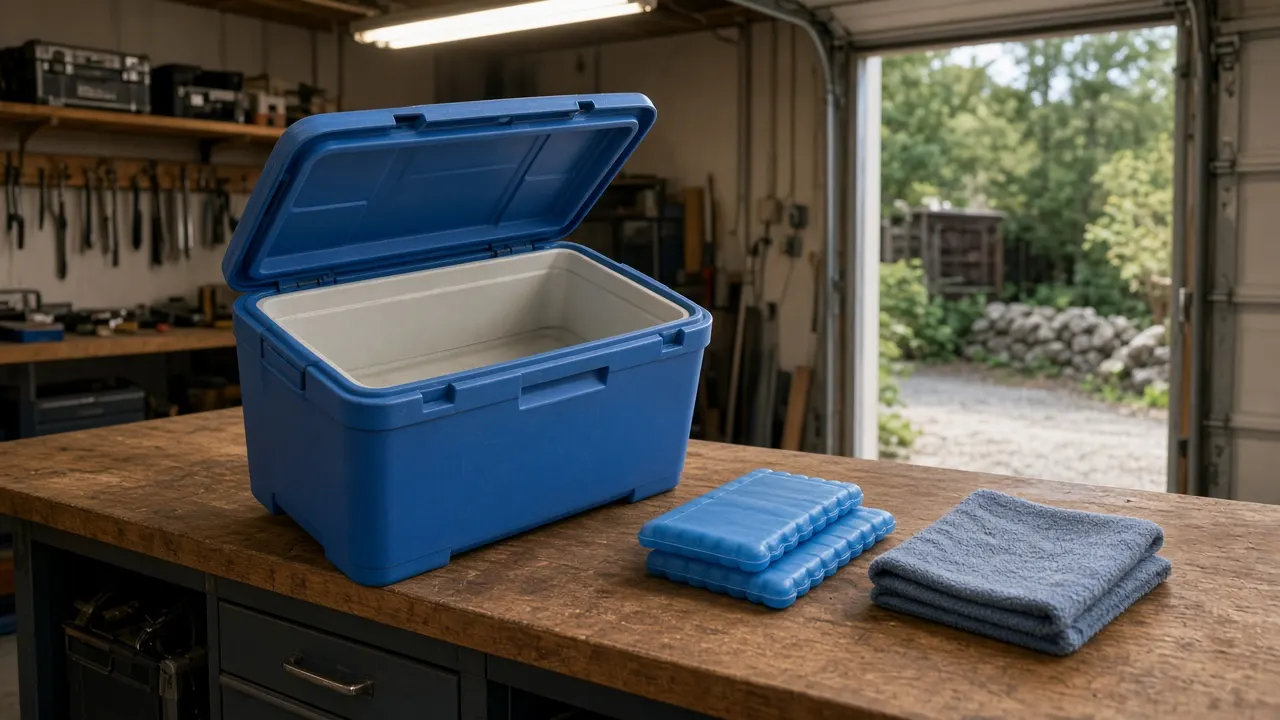
| Cool box with ice packs | Several hours, longer if packs are changed | Car journeys, or no fridge space |
| Freezer | Weeks | Long waits, when no post-mortem is needed |
Most owners want things to move promptly. In one US survey, the most common wish was for a pet to leave the vet hospital within a day of death.[2] If you'd like the same, ask your vet or crematory when they can collect before you agree to anything.
Big and small
How do you move a very small or very large reptile?
Small reptiles are easy: a gecko, anole or young snake fits in a clean food tub inside a bag, and travels comfortably in a small cool bag. Mark the tub clearly so nobody mistakes it for food. If you're preparing for a death that hasn't happened yet, our guide to pre-planning reptile aftercare lists what to keep in the house.
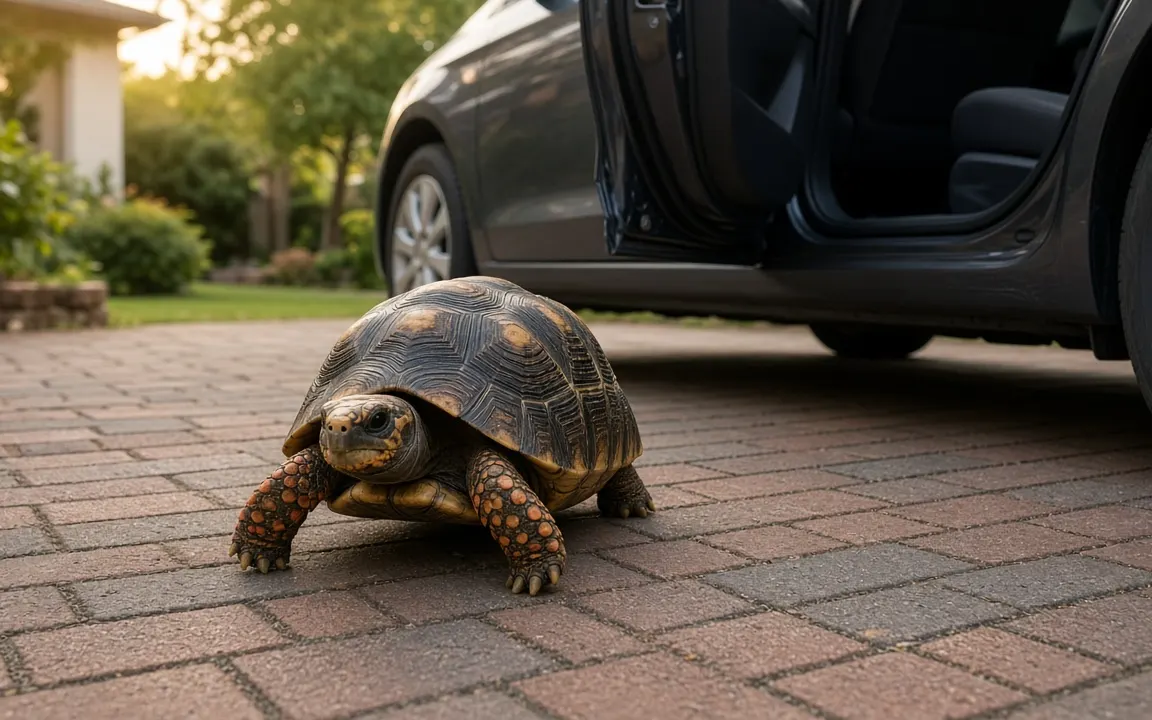
Big reptiles need planning. A long python should be coiled loosely into a large lidded storage box, never folded tightly. A heavy tortoise is safest lifted with two people using a blanket or towel as a sling, one on each side, lifting at the same time. Slide it into a sturdy plastic crate or strong box lined with a towel. Don't try to carry a tortoise over 20 kg alone.
Getting there
Should you drive your reptile yourself or arrange collection?
For most small reptiles, driving yourself is simple and saves money. Keep the cool box in the cabin, not the trunk, on hot days. Collection makes sense for heavy tortoises, when you don't drive, or when you'd rather not make the trip. It usually costs extra; one Virginia provider charges $175 for pickup from a vet clinic, on top of any package.[3] If it has to happen over a weekend, ask about rush fees before agreeing: at one North Carolina provider, weekend rush cremation cost six times the weekday rush fee, by our calculation.[4]
If your reptile died at the vet, you don't have to leave it there. Pets at Home told the Competition and Markets Authority that ~29%[5] of owners whose pet died in practice took it home to make their own arrangements. You're entitled to do the same and choose your own crematory. The cremation cost calculator below shows how collection changes the total.

Free tool
Cremation cost calculator
Estimate a realistic price range for your pet's size, location and the type of cremation.
Distance
Can you post or courier a reptile's body to a crematory?
Generally, no. Postal services don't accept animal bodies for ordinary mailing, and couriers that handle them do so only for labs under strict rules. If the nearest reptile-friendly crematory is far away, the options are to drive, to ask a closer vet to hold your reptile until the crematory's own collection round, or to use a closer provider who accepts reptiles.
The ashes are a different matter. Once cremated, they can be sent back by post in most countries under specific packaging rules; in the US, the Postal Service requires Priority Mail Express for cremated remains. Ask the crematory how they return ashes and whether the parcel is tracked. Our locations pages explain what to do when the closest provider is hours away.
Which reptile are you planning aftercare for?
Tap an answer to vote and see how others answered. Anonymous.
Quick checklist
What should you have ready when you hand your reptile over?
- Your reptile, sealed, labelled and chilled.
- Its species, weight and length written down, plus whether it's venomous.
- Your choice of private or communal cremation, confirmed in writing.
- Any wishes: a shed to be cremated alongside, a shell to be kept, how the ashes should come back.
- Your phone number and the address for returning the ashes.
Our intake guide explains why each of these matters, and what happens during a reptile cremation describes the next steps. If you'd rather hand the arrangements over, send us your details and we'll email local providers who can collect. For the full range of options, see our reptile aftercare services.
6 million[6]

Reader polls
What would you choose?
Vote anonymously and see how other readers answered. The results are live counts from people who visit this site, so they show real opinions, not a scientific sample.
Which reptile are you planning aftercare for?
Tap an answer to vote and see how others answered. Anonymous.
Who made (or will make) the aftercare decision in your household?
Tap an answer to vote and see how others answered. Anonymous.
Did you (or would you) compare more than one provider?
Tap an answer to vote and see how others answered. Anonymous.


Questions people ask
Can I put my reptile in the fridge with food?
Only if it's sealed in two bags inside a lidded tub, on the lowest shelf, away from anything uncovered. Many keepers use a separate fridge or a cool box with ice packs instead. Clean the shelf afterwards. If that feels uncomfortable, a cool box in a cool room works for most of a day.
Should I freeze my reptile?
Freeze if the wait will be longer than a day or two and you don't need a post-mortem. Freezing preserves the body well for cremation, but it damages tissues and makes a post-mortem much less useful. Tell the crematory it's frozen, since large animals may need time to thaw.
How do I lift a large tortoise safely?
Use two people and a blanket or strong towel as a sling. Slide it under the tortoise, then lift together, keeping your backs straight and the tortoise level. Carry it in a sturdy crate or box rather than in your arms. A big sulcata can weigh more than a large dog.
Is it safe to carry my reptile in the car?
Yes, when it's sealed in bags inside a lidded tub or cool box. Keep it in the cabin with air conditioning on hot days, rather than in a hot trunk. If you have a long drive, add fresh ice packs before you set off.
What if my reptile dies while I'm traveling?
If someone is caring for your reptile, ask them to confirm death with a vet, seal and refrigerate the body, and wait for your decision. Most crematories will hold a reptile for a few days once it's in their care, or your vet can hold it until you're home.


Sources and our estimates
- [1] Since 1975 it has been illegal in the U.S. to sell turtles with shells under 4 inches; CDC estimates the ban prevents about 100,000 Salmonella infections in children each year. U.S. CDC - Healthy Pets: Reptiles and Amphibians, 1975.
- [2] The most common owner preference (26.1%) was for a deceased pet to stay at the vet hospital less than 24 hours before transport to the crematory or cemetery; a further 18.1% said no more than 1-2 days. Cooney, Kogan, Brooks, Ellis - Pet Owners' Expectations for Pet End-of-Life Support and After-Death Body Care, Topics in Companion Animal Medicine (2020), 2020.
- [3] The same Virginia provider charges $350 on top of any package for a witnessed cremation appointment, and $175 for pickup from a vet clinic. Heavenly Paws Cremations – Packages, 2026.
- [4] Weekend rush cremation costs 6 times the weekday rush fee at one North Carolina provider. Our estimate: $300 / $50. How we calculate.
- [5] Pets at Home told the CMA that about 29% of owners whose pet died in practice (since April 2023) took the pet home to make their own arrangements. UK Competition and Markets Authority - Veterinary services for household pets, Provisional decision report Part A (Oct 2025), 2024.
- [6] About 6 million US households keep reptiles. American Pet Products Association (APPA) 2025 National Pet Owners Survey release, 2025.
Find a provider who can collect
Tell us what you need and where you are. We'll reply by email with clear options and prices so you can decide in your own time.