The reptile aftercare blog: straight answers for keepers on hard days
Short, practical articles on the questions reptile keepers ask most, from telling death from brumation to comparing cremation quotes and coping when people say it was just a lizard. Every article answers the question first, then explains.
- Answers first, detail after
- Written for reptiles, not adapted from dog advice
- Sourced figures and honest limits

What you'll find here
What can the reptile blog help you with?
Most pet aftercare writing is built around dogs and cats. Reptile keepers end up translating it, guessing how a 60 g gecko or a 40 kg tortoise fits advice written for a Labrador. These articles start from reptiles instead: brumation, sheds and shells, Salmonella and venom, tiny amounts of ash and enormous lifespans.
Every article is listed below, newest questions included. If you're in the middle of something urgent, the next few sections point you to the right one quickly. For longer, decision-focused reading, our in-depth guides go further.
Latest articles
Practical, honest articles on costs, choices and remembering.
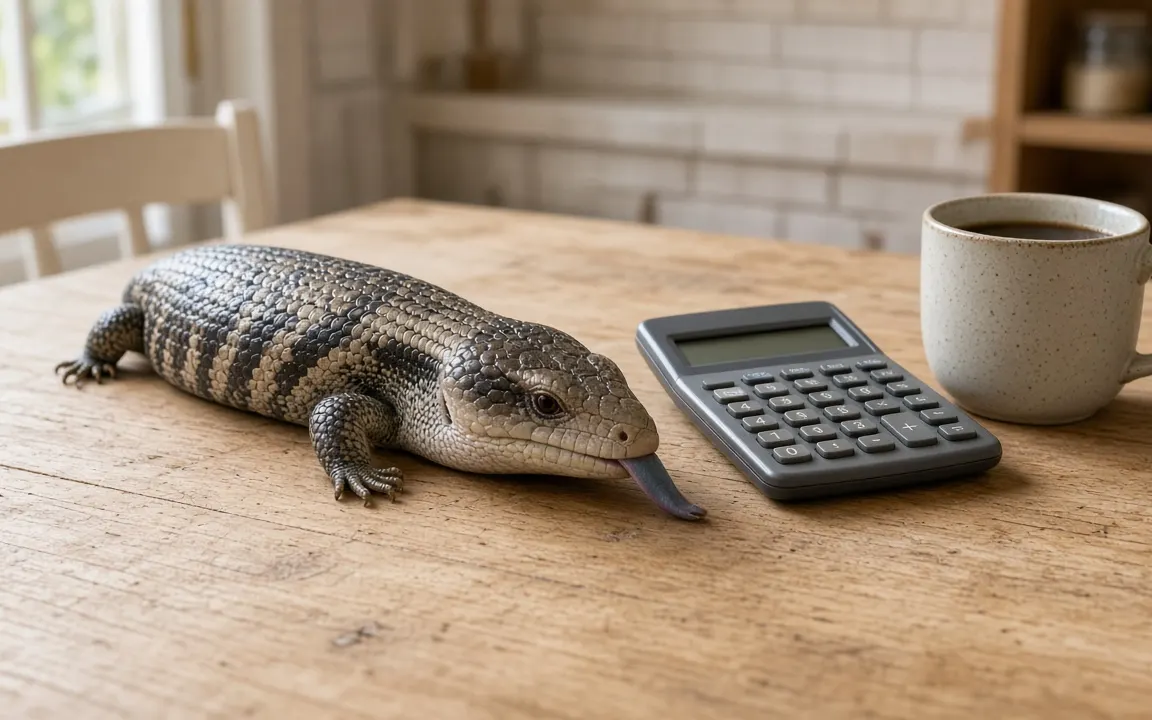
How much does it cost to cremate a reptile, and how do you compare quotes?
Private cremation for most snakes, lizards and turtles costs about $100 to $175 in the US; giant tortoises cost more. What's in a quote and how to compare two.

Grieving a reptile: why it hurts, why people don't always get it, and what helps
Losing a snake, lizard or tortoise can hurt as much as any pet, and others may not understand. Why reptile grief is real, and what helps in the first weeks.
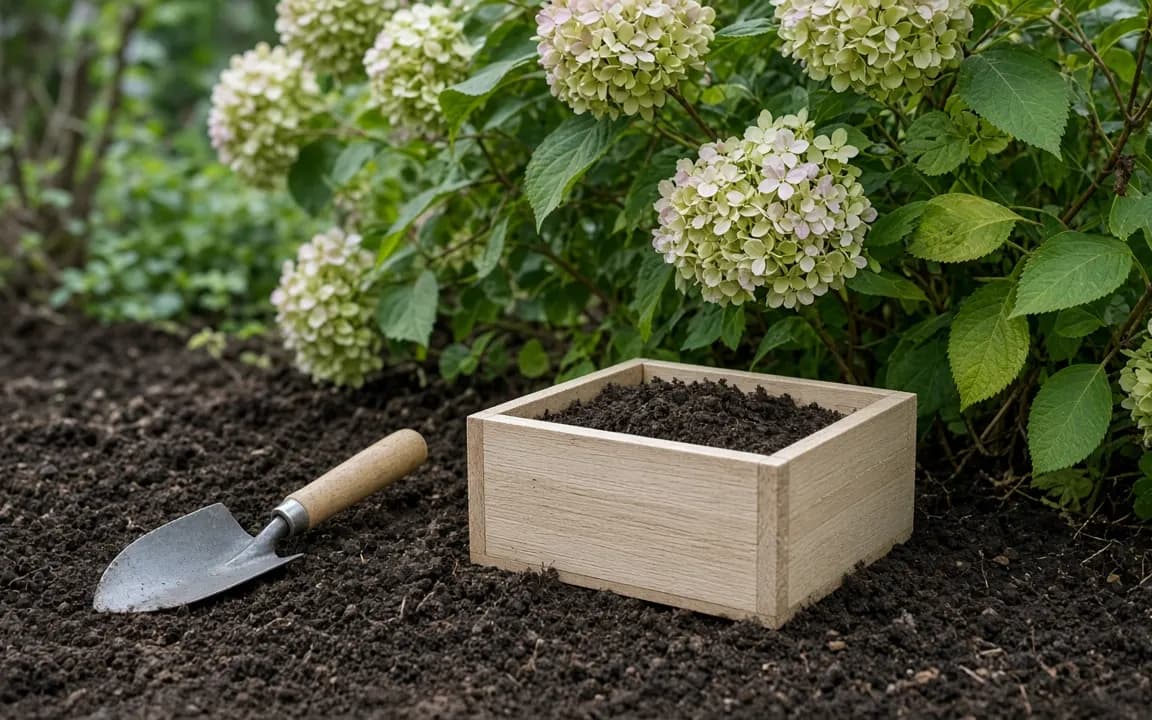
How to bury a snake or lizard at home, safely and with care
Where to dig, how deep, what to wrap your reptile in, and when not to bury at all. A practical guide to burying a snake, gecko or lizard safely at home.
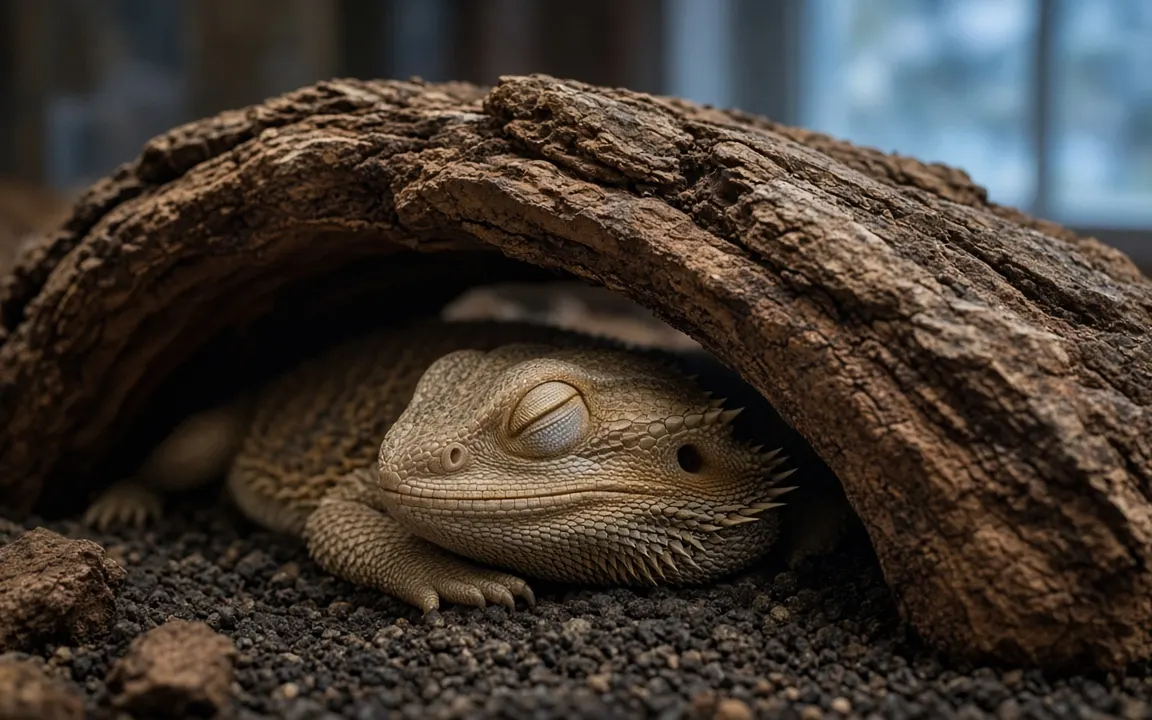
Is your reptile dead, or brumating? How to tell, gently and safely
A cold, still reptile can be alive. How to tell death from brumation, hibernation or playing dead in snakes, lizards and tortoises, and when to call a vet.
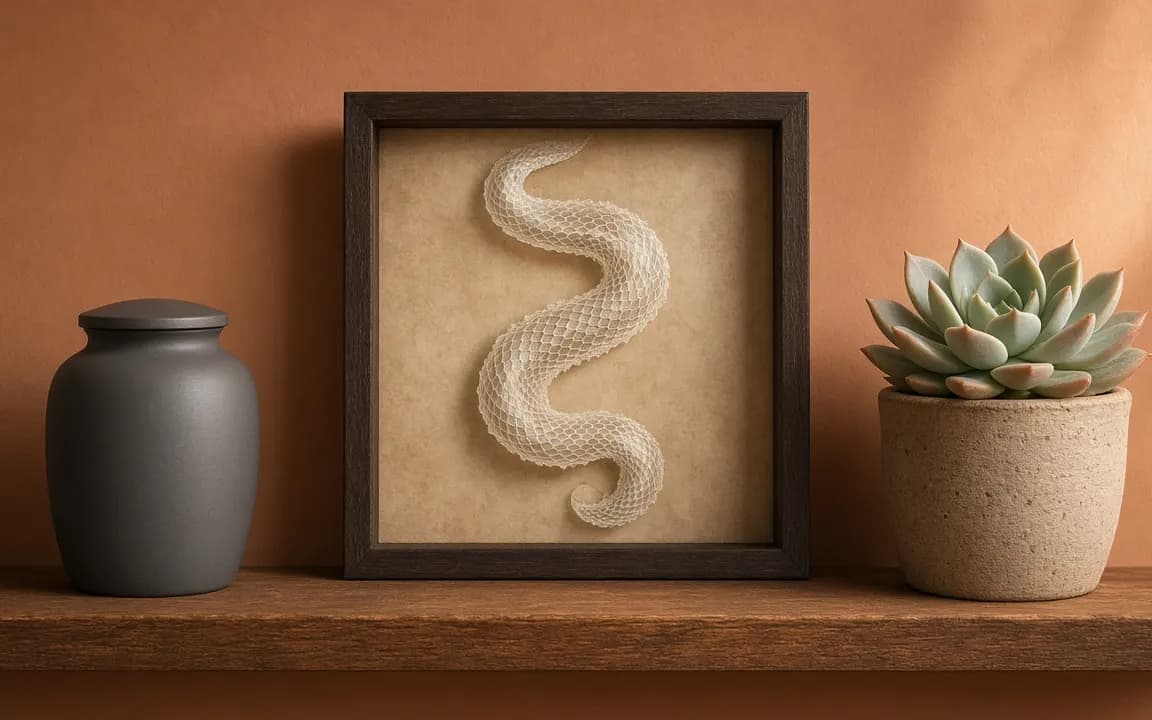
Memorial ideas for a snake, lizard or tortoise that actually fit the animal
A framed shed, a scute in a locket, a succulent bowl over a gecko's ashes: memorial ideas made for snakes, lizards and tortoises, with honest costs and tips.

Planning your reptile's aftercare before you need it
Reptiles often decline quietly, then die at night or on a weekend. How to write a one-page aftercare plan now: who to call, what you want, what it will cost.
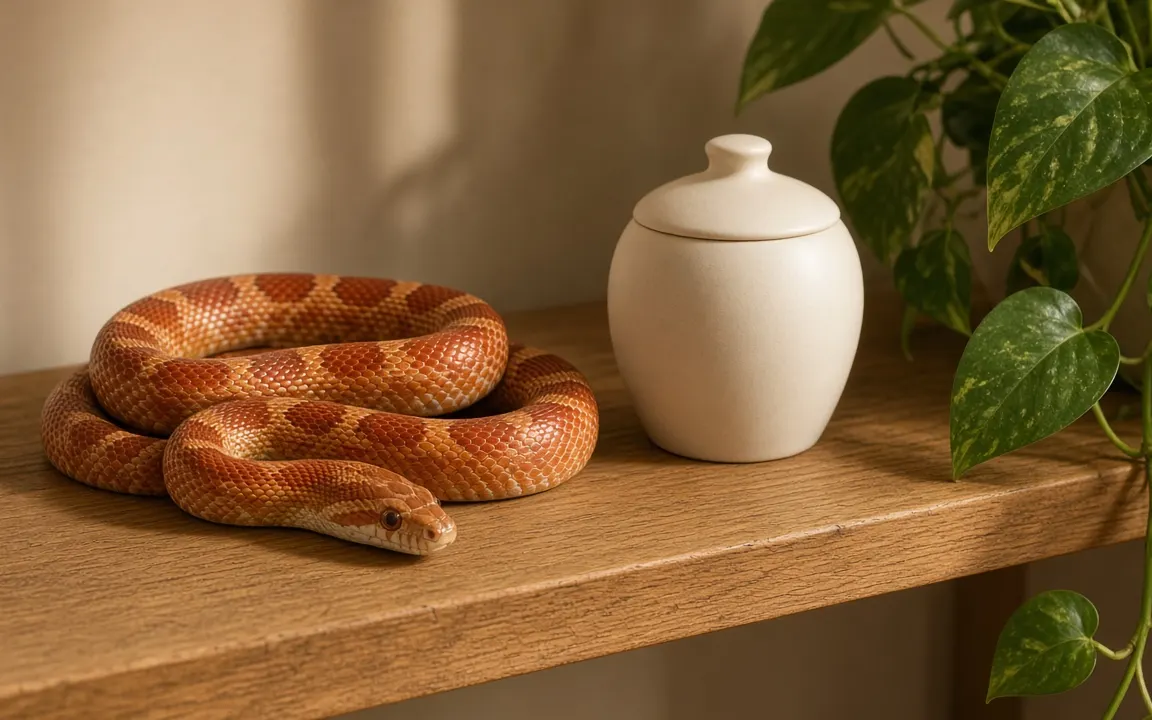
Private or communal cremation for your reptile: what comes home, and what doesn't
Private cremation returns your reptile's own ashes; communal returns none. Why the choice feels different for a 60 g gecko than a dog, and what each costs.
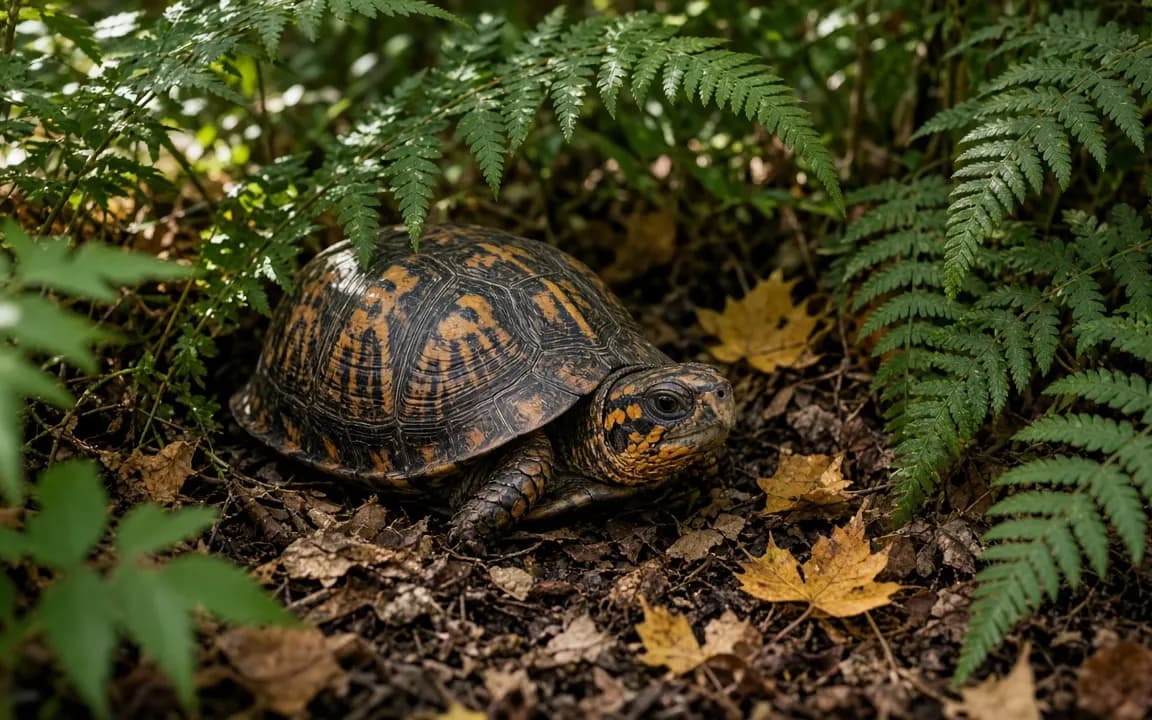
Quality of life and saying goodbye: how to know when it's time for your reptile
Reptiles hide pain until late, so the signs are easy to miss. How to judge your reptile's quality of life, what euthanasia involves, and how to prepare.
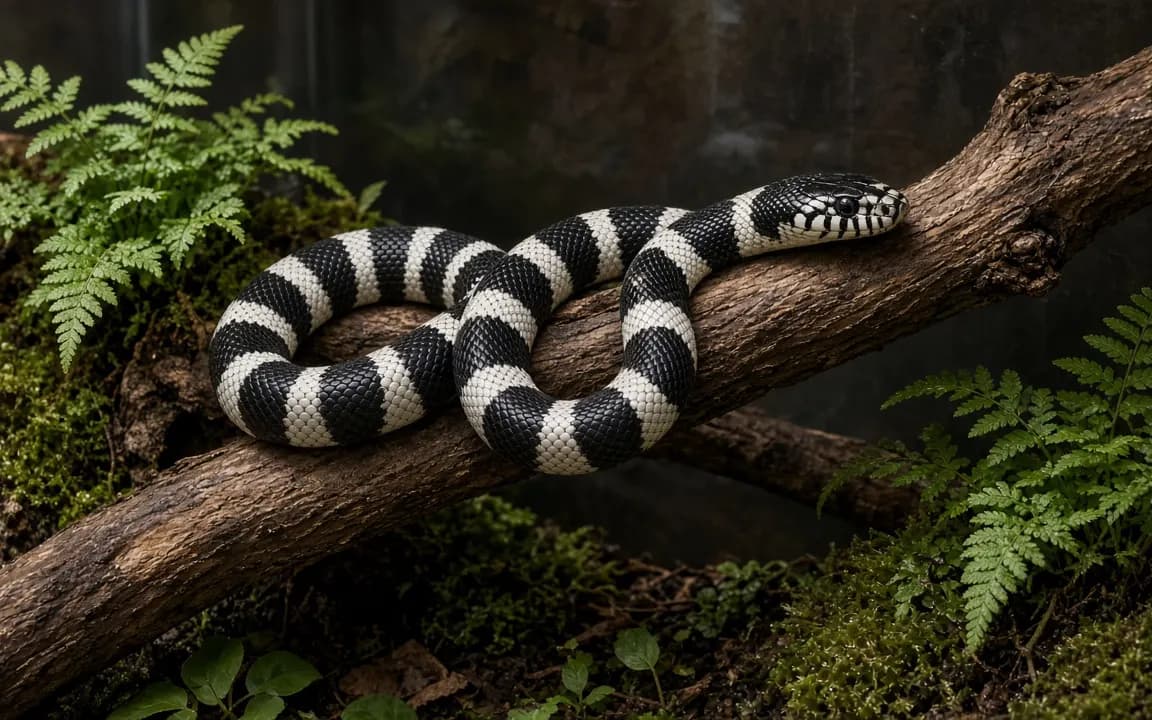
Questions to ask a reptile cremation provider, and what good answers sound like
The questions that show whether a crematory can handle your snake, lizard or tortoise, what a confident answer sounds like, and the red flags to walk away from.

If your tortoise may outlive you: a practical plan for a pet that could see another generation
Many tortoises outlive their owners. How to name a caretaker, use a will or pet trust, leave money and care notes, and pass on paperwork to keep yours safe.
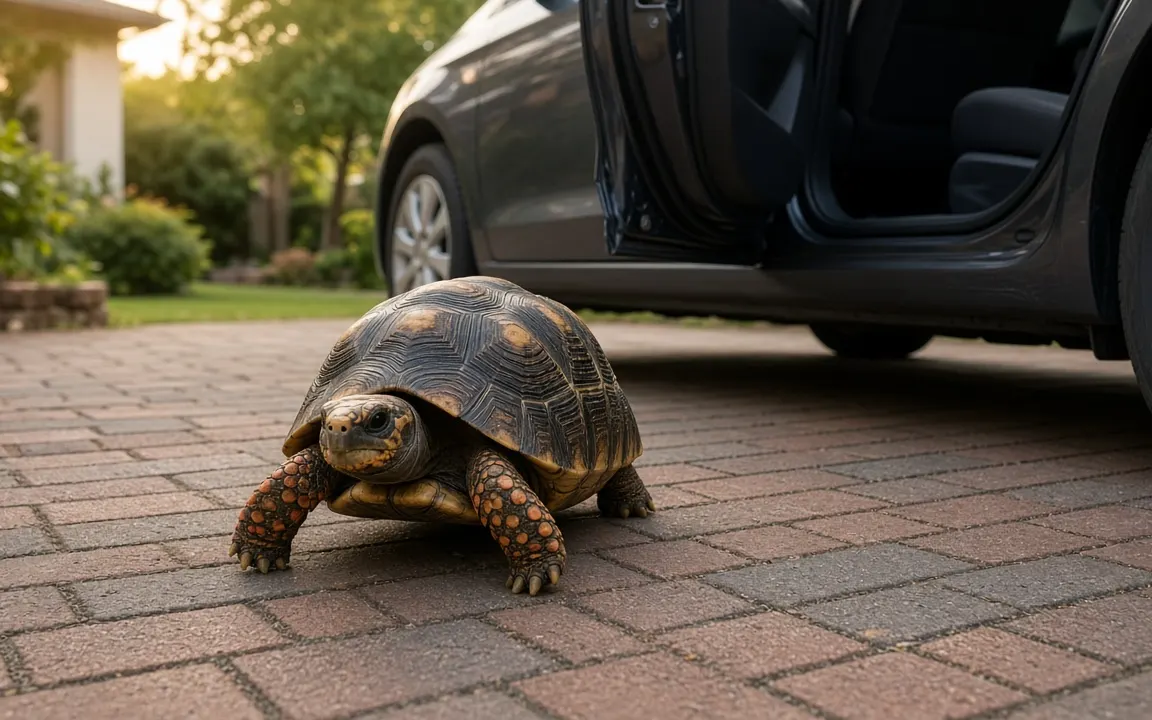
Getting your reptile to the vet or crematory safely, whatever its size
How to wrap, cool and carry a reptile's body to the vet or crematory, from a 50 g gecko to a 60 kg tortoise, how long you have, and what not to put in the post.
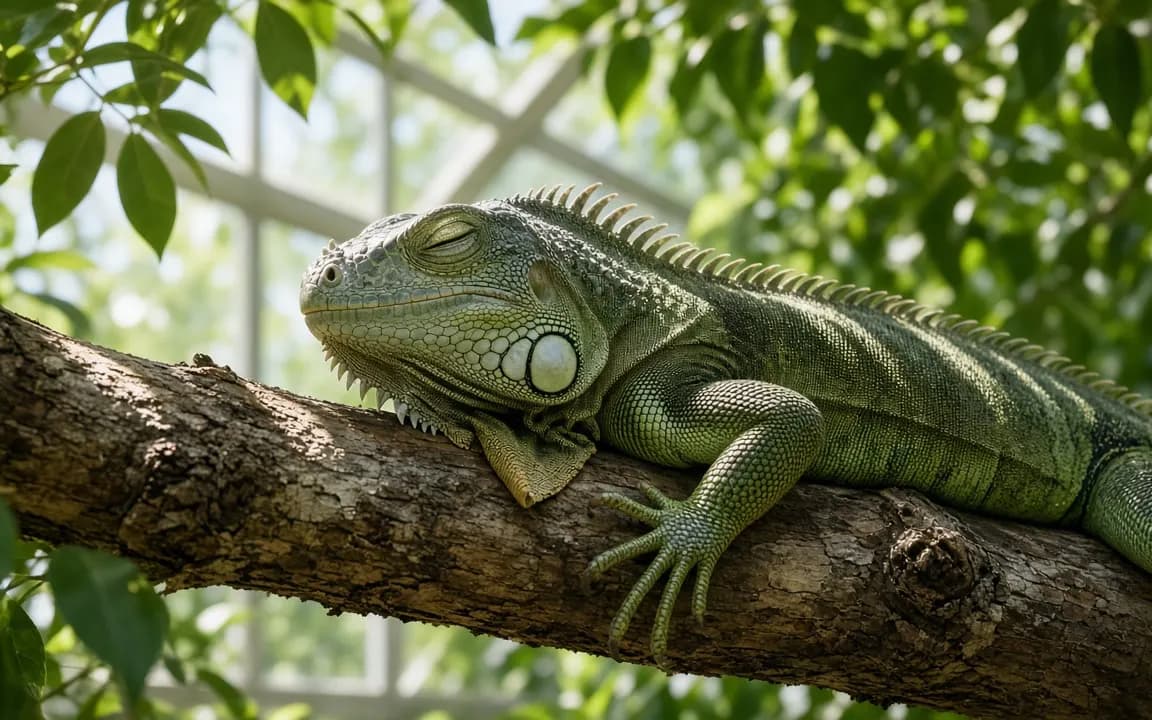
What happens when a reptile is cremated, from arrival to the ashes you take home
From the ID tag to the sealed bag of ashes: what really happens when a snake, lizard or tortoise is cremated, how long it takes, and what comes back to you.
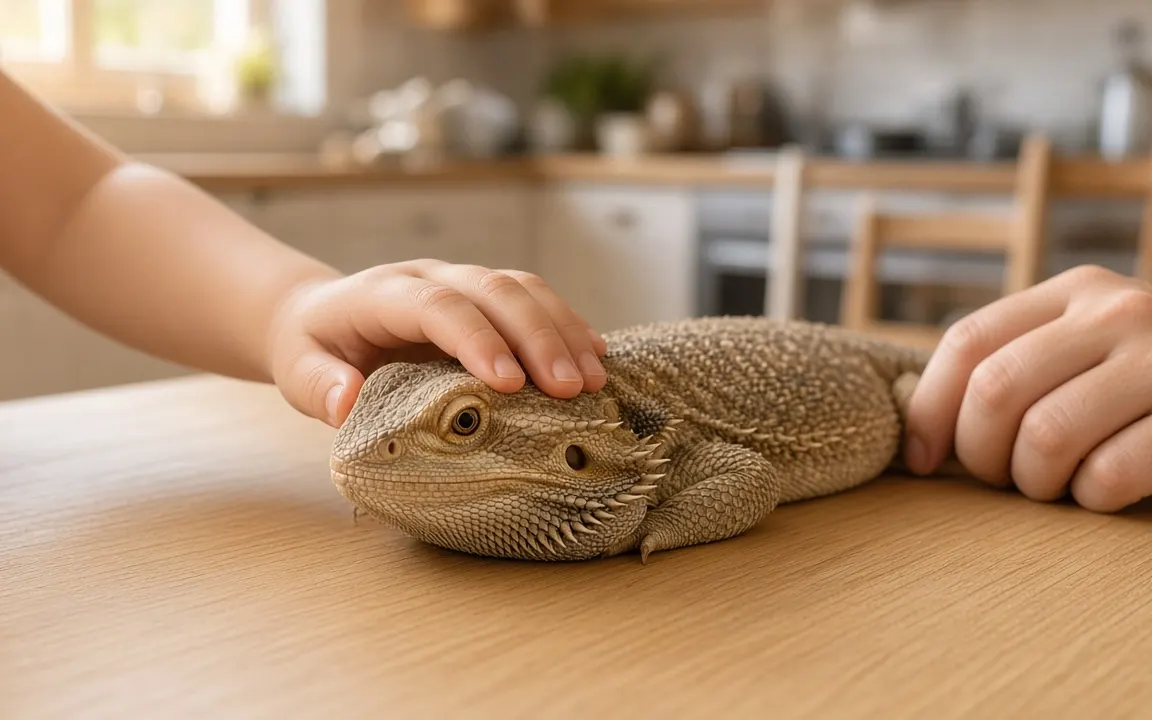
What to do when your bearded dragon dies
Check it isn't brumating, wear gloves, chill (don't freeze) if you want answers, then choose cremation or burial. A calm guide for bearded dragon owners.
If it's happening now
What should you read first if your reptile may have died?
Start with our article on telling whether a reptile is dead or brumating. Reptiles can look lifeless when they're cold or in their winter slow-down, and the most important thing in the first hour is to be sure. If you keep a bearded dragon, there's a dedicated article on what to do when a bearded dragon dies as well.
When your reptile seemed to have died, how sure were you at first?
Tap an answer to vote and see how others answered. Anonymous.
Once death is confirmed, our article on storing and moving a reptile's body covers gloves, bags, fridge or freezer, and lifting a heavy tortoise safely. Then, when you're ready, tell us about your reptile and we'll find local options.
Choosing and paying
How do you choose a crematory and a fair price?
Almost every reptile falls into a crematory's smallest weight band, which in the US typically runs about $100 to $175 for private cremation.[1] Our reptile cremation cost guide explains what's in a quote, and private vs communal cremation explains the choice that most affects both price and whether ashes come home.
Few people shop around: 89%[2] of UK owners who bought a pet cremation didn't compare providers. Our questions to ask a provider makes a quick comparison easy, and what happens during a reptile cremation explains each step, so nothing about the process is a mystery. Where you buy matters too: by our estimate, the UK's large vet groups charge about 15% more for individual cremation than independent crematoria publish for the same size of pet.[3]

Free tool
Cremation cost calculator
Estimate a realistic price range for your pet's size, location and the type of cremation.
At home
Can you bury your reptile at home?
Often, yes, for a small reptile on land you own. Our step-by-step article on burying a snake or lizard, listed below, covers where to dig, how deep, what to wrap your reptile in and what to do if the ground is frozen. It also explains why a reptile that was put to sleep is usually better cremated, a point our cremation vs burial guide covers in more depth. In England, the Environment Agency's burial guidance sets the distances to keep from water.

Coping and remembering
How do you cope, and how do you remember a reptile?
Research on pet loss finds that closeness, not species, is the strongest predictor of how hard grief hits.[4] Yet 34.5%[5] of bereaved owners in the RSPCA's pet bereavement survey had been told it was just a pet. Our article on grief after losing a reptile takes that seriously, including the guilt many keepers feel and what to do with the enclosure.
For something to hold, our memorial ideas for reptile keepers covers framed sheds, turtle scutes, small urns and planted memorials that suit the animal you actually had.
Did the people around you understand your grief for a reptile?
Tap an answer to vote and see how others answered. Anonymous.
Before the day comes
Is it worth planning ahead for a reptile?
Yes, especially for short-lived species and very long-lived ones. Chameleons may live only a few years, while leopard geckos can pass 20 and box turtles 50.[6] Our guide to pre-planning reptile aftercare shows how to write a one-page plan, and quality of life and saying goodbye helps with the hardest judgment of all.
For tortoise keepers, there's also an article below on what happens if your tortoise outlives you, covering wills, caretakers and care sheets. The pet age calculator shows where your reptile is in its expected lifespan.
Tools that pair with the articles
Which free tools help alongside these articles?
Several articles point to our free calculators, because a number on the screen is often easier than a paragraph. The ashes weight estimator shows how much ash a reptile of a given weight leaves, which matters when you're choosing between a keepsake and an urn. The urn size calculator turns that into a container size.
If several people want a share, the ashes sharing planner splits a small amount fairly. The memorial budget planner adds cremation, keepsakes and extras into one figure, and the aftercare options comparison sets burial and cremation side by side. None of them ask for your name or email, and nothing you type is sent to us.
All seven are gathered on our tools page, each with a short explanation of how it works and where its numbers come from.
How we write
How do we research and check each article?
We're an independent guide, not a crematory, and we don't earn more from one option than another. Every figure links to its source, and anything we've calculated ourselves is labelled as our estimate. Where a popular claim is contested, we say so and use the better evidence: for example, the peer-reviewed Kent study found only 3.6%[7] of pet reptiles died within a year of acquisition, far fewer than an often-repeated figure suggests.
Our research page explains how we choose and check sources, and our about page explains who we are and how requests work.

Reader polls
What would you choose?
Vote anonymously and see how other readers answered. The results are live counts from people who visit this site, so they show real opinions, not a scientific sample.
When your reptile seemed to have died, how sure were you at first?
Tap an answer to vote and see how others answered. Anonymous.
Did the people around you understand your grief for a reptile?
Tap an answer to vote and see how others answered. Anonymous.
What was the hardest part of losing your pet?
Tap an answer to vote and see how others answered. Anonymous.


Questions people ask
Which article should I read if my reptile just died?
Start with the article on telling death from brumation, because reptiles can look dead when they're only cold. Once you're sure, read the article on storing and moving your reptile's body. After that, there's no rush: take your time with the cost, burial and cremation articles.
Do you write about specific species?
Most articles cover snakes, lizards, turtles and tortoises together, with notes where species differ. Some questions are species-specific, such as what to do when a bearded dragon dies, or planning for a tortoise that may outlive you, and those get their own articles.
Is the advice here veterinary advice?
No. We explain aftercare choices, costs and practical steps. For health questions, or to confirm that your reptile has died, please see a reptile or exotics vet. We'll always suggest a vet check when there's any doubt.
Can I suggest a topic?
Yes, please. Many of our articles started as questions from keepers. Send your suggestion through the contact page, and tell us which reptile you keep. We read every message, though we can't promise to write about every topic.
Why do your figures sometimes come from cats and dogs?
Because almost no research has been published on reptile aftercare specifically. Where we use a figure from a wider survey of pet owners, we say so, and we don't stretch it to claim something about reptiles it doesn't show. Reptile-specific figures, such as ownership and lifespans, are used wherever they exist.


Sources and our estimates
- [1] CareCredit's pet cremation guide lists US communal cremation at $45-$75 and private at $100-$175 for pets up to 30 lb. CareCredit (Synchrony) - How Much Does Pet Cremation Cost? (Sept 2023), 2023.
- [2] 89% of UK owners who bought a pet cremation did not compare different providers; 9% did. UK Competition and Markets Authority - Veterinary services for household pets, Provisional decision report Part A (Oct 2025), 2025.
- [3] UK large vet groups' individual cremation prices average about 15% above independent crematoria's published prices for the same pet size. Our estimate: mean((LVG median / independent crematorium price) - 1): small dog 17.5%; medium dog 12.3%; large dog 13.4%; XL dog 13.9%; cat 16.8%. How we calculate.
- [4] A Death Studies paper comparing pet and human loss found closeness to the deceased was overwhelmingly the strongest predictor of grief severity, whatever the species. Europe PMC abstract — Eckerd, Barnett & Jett-Dias, 'Grief following pet and human loss: Closeness is key', Death Studies (2016), doi:10.1080/07481187.2016.1139014, 2016.
- [5] 34.5% of bereaved pet owners were told 'it's just a pet'. RSPCA — Pet Loss Survey Results, 2026.
- [6] Average captive lifespans: ball python 15-20 years, boa constrictor 15-25, corn snake 10-15, bearded dragon 5-10, green iguana 5-15, leopard gecko 20+, eastern box turtle 25-50, leopard tortoise 50+. Merck Veterinary Manual - Table: Average Life Span of Reptiles in Captivity.
- [7] A University of Kent survey found only 3.6% of pet snakes, chelonians and lizards died within one year of acquisition; boas and pythons had the lowest mortality (1.9%) and chameleons the highest (28.2%). Robinson JE, St John FA, Griffiths RA, Roberts DL. Captive Reptile Mortality Rates in the Home and Implications for the Wildlife Trade. PLoS One, 2015 (PMID 26556237), 2015.
Need help now? Tell us about your reptile
Tell us what you need and where you are. We'll reply by email with clear options and prices so you can decide in your own time.