Reptile aftercare guides, for the decisions cat and dog guides never cover
These guides answer the questions reptile keepers actually face: whether a tortoise shell can be kept, whether to bury or cremate a gecko or a 50 kg sulcata, what to do with a thimbleful of ash, and what a crematory needs to know about a venomous snake. About 6 million[1] US households keep reptiles, and most aftercare advice still assumes a dog.
- Four in-depth guides, each answering one decision
- Written for snakes, lizards, turtles and tortoises
- Sourced facts, plain language, no pressure
Where to start
Which guide do you need right now?
If you keep a tortoise or turtle and it has died, or may soon, start with the shell guide, because that decision has to be made before anyone collects the body. If you're weighing a garden grave against a crematory, read cremation vs burial. If the ashes are already home, the scattering guide is for you. If you're about to phone a crematory, the intake guide tells you what to say.
Each guide opens with a short, direct answer and then goes into the detail. They're written to be read in a few minutes, on a phone, on a hard day. All four are listed below, with our shorter blog articles on costs, grief and practical steps after that.
All guides
In-depth guides to the decisions families face, written in plain English.

Cremation or burial for your reptile? It mostly comes down to size, soil and staying put
Burying a gecko is easy; burying a 60 lb tortoise isn't. Compare cremation and burial for reptiles by size, cost, rules, euthanasia drugs and moving house.
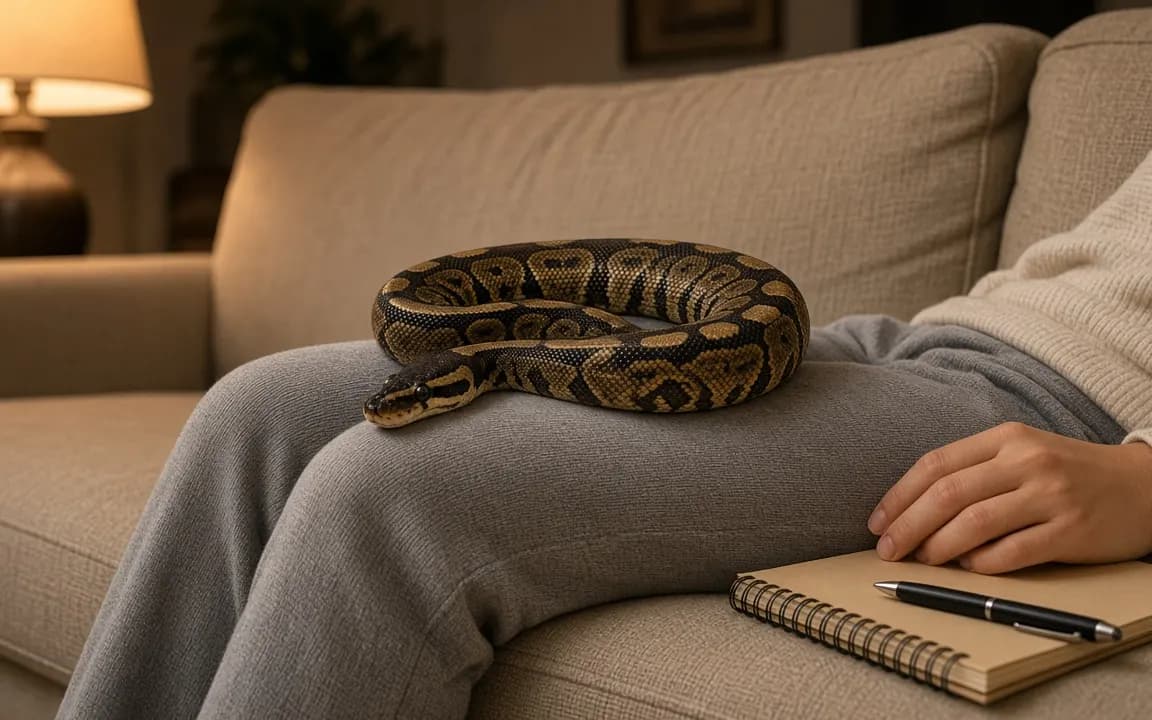
What to tell a crematory about your reptile, and why each detail matters
Species, length, weight, venom, illness and paperwork: what a pet crematory needs to know about your snake, lizard or tortoise, and why each detail matters.

Scattering your reptile's ashes: small amounts, big decisions
A gecko may leave a teaspoon of ash, a tortoise several pounds. Where you can scatter reptile ashes, how to protect plants, and why to keep a pinch first.
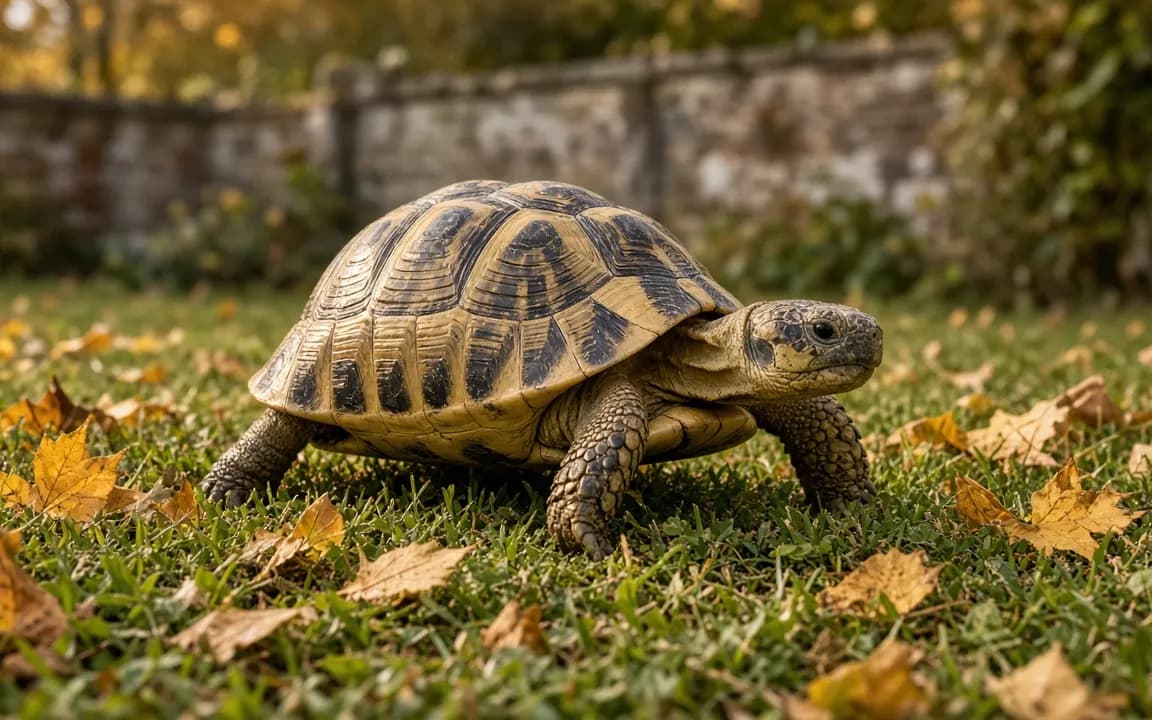
Keeping your tortoise's shell: the decision you have to make before cremation
A tortoise shell is living bone, so cremation destroys it. How to keep the shell, cremate the rest, or save sheds and scutes, and what it costs and takes.
Tortoises and turtles
Can you keep a tortoise's shell?
Not after cremation. A shell is bone joined to the spine and ribs, so it burns to ash like the rest of the skeleton. If you want to keep it, a preparer must clean it first. Our guide to keeping a tortoise shell explains the three realistic routes, how shell cleaning works, and the paperwork for protected species.
Turtles and tortoises account for 43% of US reptile ownership, lizards 29% and snakes 22%,[2] so this is one of the most common questions we're asked. It's also one where a single phone call at the wrong moment can close off an option for good.
The guide also covers what reptiles leave behind that no other pet does: aquatic turtles' shed scutes, complete snake sheds and patchy lizard sheds. Many keepers already have one of these in a drawer without realizing it could become a keepsake, and the guide explains how to store them so they last.
If your tortoise or turtle died, what would you want done with the shell?
Tap an answer to vote and see how others answered. Anonymous.
The big choice
Should you bury or cremate your reptile?
It depends mostly on size, whether you own the land, and whether your reptile was euthanized. A gecko is easy to bury; a giant tortoise isn't. A euthanized animal carries drug residue that can harm wildlife. Our cremation vs burial guide weighs these up, with costs for each route, and explains the middle way of cremating first and burying the ashes.
It also covers the practical details that catch people out: foxes and dogs digging up shallow graves, burying in a rented garden, what to do with a python too long for an ordinary hole, and why a planter burial can suit a very small gecko or snake. If you've decided on burial, our blog has a step-by-step article on how to bury a snake or lizard. If a pet cemetery appeals instead, budget realistically: by our estimate, the median starting burial price across 15 US pet cemeteries was about $600.[3]
Many owners are never told the full range of choices. In the Competition and Markets Authority's survey, only 47%[4] of cremation buyers remembered being told about options such as communal cremation or home burial. The aftercare options comparison sets them all out for your reptile's size.

Free tool
Aftercare options compared
Compare private, communal and water cremation with burial on cost, timing and what comes home.
After cremation
What do you do with a very small amount of ash?
Reptile ashes weigh roughly 3-5% of body weight[5], so a gecko leaves a pinch and a large tortoise several pounds. That changes how scattering, sharing and choosing an urn work. Our scattering guide covers where you can scatter, how to protect plants from the alkaline ash, and how to keep a little back first.
It includes a table of common scattering places, from your own garden to rivers and pet cemetery gardens, with what to watch at each. There's also a warning many people don't expect: ashes shouldn't go into the enclosure of a surviving reptile, because the dust and alkalinity aren't good for its skin, eyes or lungs. The ashes sharing planner helps if the ashes are to be divided.
Before you call
What should you tell a crematory about your reptile?
Species, weight, length, whether it was venomous, how it died, whether it's frozen, and anything you want kept. Our intake guide explains why each detail matters, from which chamber is used to whether staff need to handle the head with tongs.
Reptiles are a sizeable group of pets, with about 600,000[6] pet snakes in the UK alone, but an individual crematory may see only a few. Clear information from you makes a mistake much less likely. Our list of questions to ask a provider covers the other side of the conversation.
How we write these
How are these guides researched?
We're an independent guide and request service, not a crematory, so we have no chamber or package to sell you. Figures come from published surveys, regulators and veterinary sources, and each one links to its source. Where we've calculated something ourselves, it's labelled as our estimate. Our research page lists the sources and how we check them.
If you can't find the answer you need, tell us about your reptile and we'll reply by email. You can also browse our reptile aftercare services, find local rules and providers, or read the blog for shorter, practical articles.

Reader polls
What would you choose?
Vote anonymously and see how other readers answered. The results are live counts from people who visit this site, so they show real opinions, not a scientific sample.
If your tortoise or turtle died, what would you want done with the shell?
Tap an answer to vote and see how others answered. Anonymous.
Which reptile are you planning aftercare for?
Tap an answer to vote and see how others answered. Anonymous.
If you had to decide today, which aftercare would you choose for your pet?
Tap an answer to vote and see how others answered. Anonymous.


Questions people ask
Are these guides only for snakes, lizards and tortoises?
They're written mainly for the reptiles people keep most often: snakes, lizards, turtles and tortoises. Much of the advice also applies to crocodilians kept under licence, and to amphibians such as frogs and salamanders, though their aftercare needs can differ. If you're unsure, ask us about your animal.
Do I need to read every guide?
No. Each guide answers one decision, so read the one that matches where you are. If your tortoise has just died, start with the shell guide. If you're choosing between a garden grave and a crematory, read cremation vs burial. The short answer at the top of each is often enough.
Are you a reptile crematory?
No. We're an independent guide and request service. We don't operate cremation facilities or vehicles. When you send a request, we find providers near you who accept your reptile and email you their options and prices, so you can choose.
How often are the guides updated?
We review them regularly and update figures when new research, regulator findings or price data are published. Each guide shows the date it was last reviewed. If you spot something that looks out of date, please let us know through the contact page.
Can you give veterinary advice?
No. Our guides explain aftercare choices, not medical treatment. If your reptile is ill, or you're unsure whether it has died, please contact a reptile or exotics vet. They can confirm death with a Doppler probe and advise on anything that affects your other animals.


Sources and our estimates
- [1] About 6 million US households keep reptiles. American Pet Products Association (APPA) 2025 National Pet Owners Survey release, 2025.
- [2] About 6 million U.S. households own reptiles; turtles and tortoises account for 43% of reptile ownership, lizards 29% and snakes 22% (APPA 2025). American Pet Products Association - From Bigger Tanks to Stronger Bonds: Fish & Reptile Ownership Evolves in 2025, 2025.
- [3] Across 15 US pet cemeteries' posted starting burial prices, the median entry price was about $600. Our estimate: median of starting prices [400,185,300,550,575,99,660.44,730,740,850,850,800,850,600,600]. How we calculate.
- [4] Fewer than half (47%) of UK cremation buyers recalled being told about a range of options, including communal cremation or home burial. UK Competition and Markets Authority - Veterinary services for household pets, Provisional decision report Part A (Oct 2025), 2025.
- [5] Embrace notes cremated remains typically weigh about 3-5% of the pet's original body weight. Embrace Pet Insurance - Bury or Cremate Your Dog? Costs, Pros & Cons, 2025.
- [6] There are about 600,000 pet snakes in the UK (1.3% of households). UK Pet Food (formerly PFMA) Pet Population 2026, 2026.
- [7] A University of Kent survey found only 3.6% of pet snakes, chelonians and lizards died within one year of acquisition; boas and pythons had the lowest mortality (1.9%) and chameleons the highest (28.2%). Robinson JE, St John FA, Griffiths RA, Roberts DL. Captive Reptile Mortality Rates in the Home and Implications for the Wildlife Trade. PLoS One, 2015 (PMID 26556237), 2015.
Rather talk it through? Ask us
Tell us what you need and where you are. We'll reply by email with clear options and prices so you can decide in your own time.