Cremation or burial for your reptile? It mostly comes down to size, soil and staying put
Burial suits a small reptile in a garden you own and plan to keep. Cremation suits almost everyone else: renters, keepers who may move, large tortoises and pythons, and reptiles that were euthanized or died of an infection.
By the Reptile Cremation Services editorial team · Updated September 24, 2026 · 4 min read · Sources
- A plain decision guide for snakes, lizards and tortoises
- Real costs for both routes
- The wildlife and drug risk most people miss
The quick answer
Which is better for a reptile, cremation or burial?
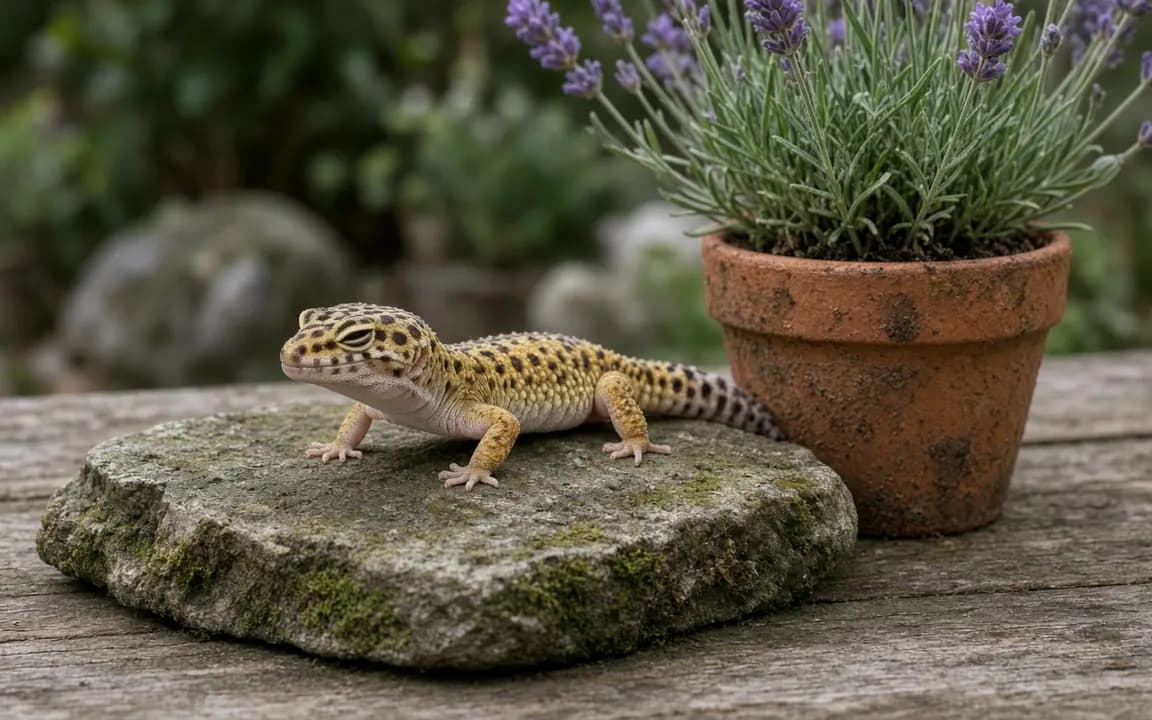
Neither is better in general. Each fits a different situation, and with reptiles the situations are unusually far apart. A leopard gecko fits in a matchbox and can be buried under a rosebush in ten minutes. A 50 kg sulcata tortoise needs a hole the size of a bathtub and two strong people.
Most owners of dogs and cats end up choosing cremation. In the UK, 67%[1] of owners whose pet had died in the previous two years chose it, and in a US survey about 40% of owners named flame cremation as their preferred choice while about 35% preferred burial at home.[2] Reptile keepers lean toward burial more often, mainly because their animals are small.
If you'd like to see the options side by side for your exact reptile, the comparison tool below does it in a minute.

Free tool
Aftercare options compared
Compare private, communal and water cremation with burial on cost, timing and what comes home.
Burial
When does home burial make sense for a reptile?
Home burial works well when four things are true: your reptile is small, it died naturally rather than by injection, you own the land, and you expect to stay. Under those conditions it's free, private and close, and many keepers like knowing their pet is somewhere they walk past every day. In England, the Environment Agency's guidance on animal burials asks for at least 250 m from any drinking-water source and 30 m from watercourses.
- Depth matters more than you'd think. Foxes, raccoons and dogs dig up shallow graves. Germany, for example, sets a legal minimum of min 50 cm soil[3] over a buried pet, and deeper is safer in fox country.
- Wrap in something that breaks down, such as a cotton pillowcase or an untreated wooden box, not plastic.
- Stay away from water: wells, streams, ponds and vegetable beds.
- Mark the spot with a flat stone so nobody digs there by accident next spring.
Some keepers of very small lizards and snakes bury them in a large planter instead of the ground. That keeps the grave movable if you ever leave. Our step-by-step guide to burying a snake or lizard covers depth, wrapping and frozen ground. Local rules on home burial vary a lot, so check your state or council before you dig. Our locations pages summarize what tends to differ from place to place.

The risks people miss
When should you not bury your reptile at home?
The biggest one is euthanasia. The drug vets use stays in the body after death and can kill a scavenging animal or a pet dog that digs it up. Since 2003[4], US euthanasia drug labels have carried a warning that euthanized animals must be buried deeply, incinerated or otherwise disposed of safely. For a small reptile that was put to sleep, cremation is usually the simpler and safer choice.
The second is infection. Reptiles often carry Salmonella (the CDC's reptile health page explains the risk), and some die of diseases that could spread to other animals in your collection. If a vet suspects anything contagious, a post-mortem followed by cremation keeps it out of your soil. The third is moving: a grave in a rented yard is a grave you'll leave behind, and that can hurt more than people expect.
Money
How much does each option cost?
Home burial costs next to nothing. Pet cemetery burial and cremation both cost real money, and a reptile almost always falls into the smallest price band. CareCredit's US guide puts pets up to 30 lb at communal $45-75; private $100-175[5]. For cemetery burial, by our estimate from five posted price lists, the median is ~$350[6] for a small pet's whole-body burial, including the plot and opening the grave.
| Option | Rough cost | Ashes or grave you can visit? |
|---|---|---|
| Home burial | Free, plus a box or marker | Grave at home |
| Communal cremation | About $45 to $75 | No ashes returned |
| Private cremation | About $100 to $175 | Ashes returned |
| Pet cemetery burial | Often $300 to $600 | Grave at the cemetery |
| Private cremation, then burying the ashes | Cremation plus a small plot or free at home | Both |
Our reptile cremation cost guide explains the line items that change a quote, and private vs communal cremation covers the biggest price decision within cremation itself.
Doing both
Can you cremate and then bury the ashes?
Yes, and it solves a lot of problems at once. Ashes carry no infection risk and no drug residue, they're easy to move if you leave, and a small reptile's ashes fit in a biodegradable urn you can bury under a plant. It's a popular choice for keepers who rent, or who want the garden but not the worry about foxes.
One caution: cremated remains are strongly alkaline, and a heavy pour can harm roots. Mix them well into soil or use an urn designed for planting. Our guide to scattering reptile ashes explains how to do this without scorching a favorite shrub.
For a small lizard or gecko, would you still choose private cremation knowing only a pinch of ash may come back?
Tap an answer to vote and see how others answered. Anonymous.
Making the call
A simple way to decide
- Was your reptile euthanized, or did it die of something contagious? If so, lean toward cremation.
- Do you own the land and expect to stay for years? If not, cremation or a planter burial is kinder to your future self.
- Is your reptile larger than a cat? If so, a crematory is usually more practical than digging.
- Do you want to keep something, like ashes or a shell? Decide that first; see keeping a tortoise shell.
- Still torn? A cremation followed by burying the ashes gives you both.
Whatever you choose, you don't have to decide in the first hour. Keep your reptile cool and sealed, then make calls. If you'd like us to find a crematory or pet cemetery that accepts reptiles near you, tell us a little about your pet, or browse our reptile aftercare services first.

Reader polls
What would you choose?
Vote anonymously and see how other readers answered. The results are live counts from people who visit this site, so they show real opinions, not a scientific sample.
For a small lizard or gecko, would you still choose private cremation knowing only a pinch of ash may come back?
Tap an answer to vote and see how others answered. Anonymous.
If you had to decide today, which aftercare would you choose for your pet?
Tap an answer to vote and see how others answered. Anonymous.
Where are (or will be) your pet's ashes?
Tap an answer to vote and see how others answered. Anonymous.

Questions people ask
Is it legal to bury a reptile in my backyard?
In many places it is, for a pet on land you own, but the rules vary by state, county and country. Common conditions are a minimum depth, a distance from wells and water, and no burial of animals that died of a notifiable disease. Renters usually need the landlord's permission. Check with your local council or environmental agency before digging.
How deep should I bury a small lizard or snake?
Deep enough that a fox or dog can't smell it and dig it up. For a small reptile, most guidance suggests at least two feet of soil above the body, and more where wildlife is common. A flat stone or paving slab on top adds protection. Keep the grave well away from vegetable beds and any water source.
Can I bury my reptile if it was put to sleep?
It's risky. Euthanasia drugs stay in the body and can poison a scavenger or a pet that digs up the grave. If you choose burial anyway, go very deep and cover the grave with a heavy slab. Many vets suggest cremation for euthanized animals for exactly this reason.
Is cremation or burial better for the environment?
For a small reptile, a shallow garden burial has very little impact, as long as it's away from water and the animal wasn't euthanized. Flame cremation uses fuel, but a gecko adds almost nothing to a chamber that's already running. Water cremation (aquamation) is gentler again where it's available.
What if I bury my reptile and then move house?
That's one of the most common regrets. Moving a buried pet is difficult and often not allowed, so many keepers who expect to move choose a planter burial, or cremate first and bury the ashes. Ashes can come with you, be reburied at your new home, or be scattered somewhere meaningful.
Keep reading

How to bury a snake or lizard
Step by step, from choosing the spot to marking it.

Compare aftercare options
See cremation, burial and water cremation for your reptile.

Reptile aftercare services
Every option we can help you arrange, with prices.

Local rules and providers
How burial rules and cremation prices vary where you live.
Sources and our estimates
- [1] In the CMA's UK pet owners survey, 67% of owners whose pet died in the previous two years had the pet cremated. UK Competition and Markets Authority - Veterinary services for household pets, Provisional decision report Part A (Oct 2025), 2025.
- [2] Asked their preferred future after-death care, 40.4% of US owners chose traditional flame cremation and 34.9% home burial; 10.7% chose cemetery burial and 1.9% alkaline hydrolysis (aquamation). Cooney, Kogan, Brooks, Ellis - Pet Owners' Expectations for Pet End-of-Life Support and After-Death Body Care, Topics in Companion Animal Medicine (2020), 2020.
- [3] German home burial of pets requires at least 50 cm of soil cover and is not permitted in water- or nature-protection areas. deine-tierwelt.de - Tierbestattung: Diese Moeglichkeiten gibt es und das kosten sie (Nov 2023), 2023.
- [4] Since 2003 the FDA has required euthanasia drug labels to warn that euthanized animals must be disposed of by deep burial, incineration or another approved method to keep scavenging wildlife from eating the carcass. Cornell Waste Management Institute & Penn State - Horse Mortality: Carcass Disposal Alternatives (2012), 2003.
- [5] CareCredit's pet cremation guide lists US communal cremation at $45-$75 and private at $100-$175 for pets up to 30 lb. CareCredit (Synchrony) - How Much Does Pet Cremation Cost? (Sept 2023), 2023.
- [6] Across five posted US pet-cemetery price lists, the median whole-body burial for a small pet, including plot and opening/closing, was about $350. Our estimate: median of [Rainier $150 plot incl. first burial, Cedar Bend $290, Forest $350, Great River $750, Precious Memories $1,500]. How we calculate.
Get cremation and burial options near you
Tell us what you need and where you are. We'll reply by email with clear options and prices so you can decide in your own time.