Keeping your tortoise's shell: the decision you have to make before cremation
You can't cremate a tortoise and get the shell back, because the shell is bone fused to the spine and ribs. If you want to keep it, a preparer has to clean it first, and that choice has to be made before anyone collects your tortoise.
By the Reptile Cremation Services editorial team · Updated September 24, 2026 · 6 min read · Sources
- Why the shell can't survive a cremation
- Three realistic routes, with timings
- Sheds, scutes and other keepsakes explained
The short answer
Why can't the shell come back from a cremation?
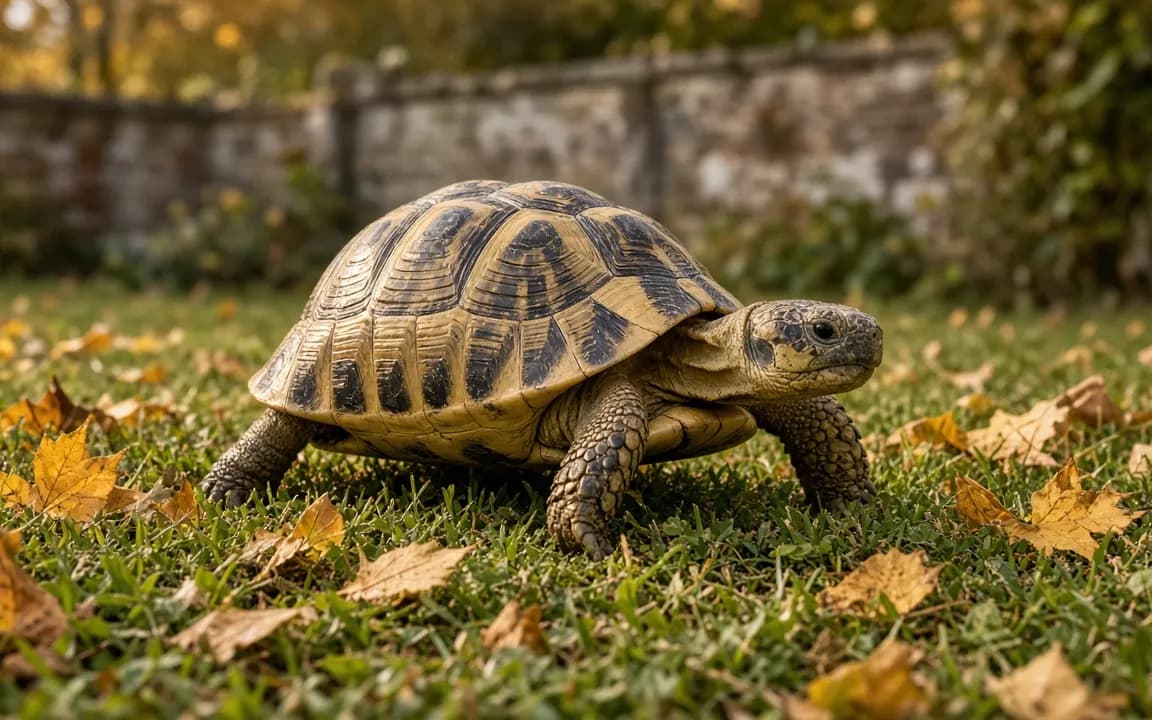
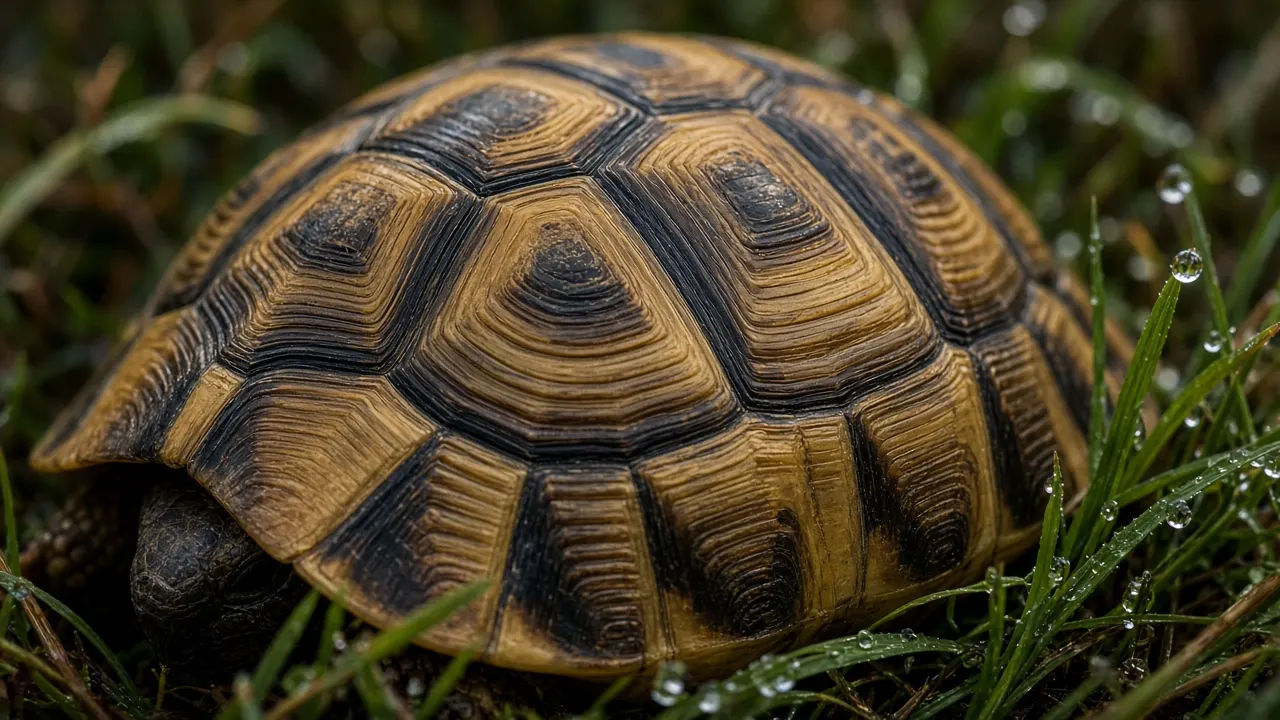
Most people picture a tortoise shell as a case the animal lives inside, like a snail's. It isn't. The top half (the carapace) and the bottom half (the plastron) are made of bone plates that grow into the tortoise's ribs, backbone and shoulder girdle. The patterned plates you see on the outside are scutes, a layer of keratin, the same material as your fingernails.
In a cremation chamber, keratin burns away completely and bone turns brittle and pale. What comes out is bone fragment, which is then ground into the fine ash you receive. So a shell goes in as a shell and comes out as part of the ashes, just like the rest of the skeleton. No provider can stop that, however carefully they work.
That leaves you with a real choice, and it's one that only exists before collection. You can cremate your tortoise whole and keep the ashes, have the shell cleaned and kept, or in some cases do both. The rest of this guide walks through each route so you can decide calmly.
Your options
What are your realistic choices for a tortoise or turtle?
Each route suits a different kind of keeper. None is more respectful than another; it's about what you want to have in your hands a year from now.
| Route | What you keep | Typical time | Who does it |
|---|---|---|---|
| Whole-body private cremation | Ashes, including the shell | About 1 to 2 weeks | A pet crematory that accepts reptiles |
| Shell cleaning only | The cleaned, dried shell | Several weeks to a few months | A taxidermist or skeletal preparer |
| Shell cleaning, then cremation of the rest | The shell and a small amount of ash | Longest; two providers involved | A preparer plus a crematory, coordinated by you |
| Freeze-drying the whole animal | Your tortoise as it looked in life | Often 6 to 12 months | A pet preservation studio |
The combined route is the least common, because the preparer has to remove the soft tissue in a way that leaves something to cremate. Some preparers use dermestid beetles, which eat tissue and leave nothing behind, so ask about their method before you promise yourself both. If you want ashes and a shell, say so at the first phone call.
Freeze-drying is a separate path again. It keeps the whole animal, not only the shell, and it isn't cheap: one US studio charges about USD 650[1] for a pet under a pound, and traditional taxidermy and freeze-drying both commonly take 6–12 months[2]. Our services page sets these options beside cremation and home burial. By our estimate, freeze-drying a cat-sized pet costs about ten times a private cremation,[3] which puts it in a different league from shell cleaning.
If your tortoise or turtle died, what would you want done with the shell?
Tap an answer to vote and see how others answered. Anonymous.
Shell preparation
How does a preparer clean a tortoise shell?
A skeletal preparer's job is to remove every trace of soft tissue without cracking the bone or lifting the scutes. The usual methods are a colony of dermestid beetles, slow maceration in warm water, or careful hand work, often in combination. Afterwards the shell is degreased, dried slowly and sometimes sealed with a clear finish that keeps the scutes from peeling.
Done well, the result is a shell that looks very much like it did in life, with the growth rings still visible on each scute. Done badly, the scutes can loosen and fall away over the following months. Ask to see photos of shells the preparer has finished, and ask whether they seal the scutes as part of the price.
Prices for shell preparation aren't published in any consistent way, and they depend on the size of the shell and how long the tortoise has been gone. Ask for a written quote that includes return shipping or collection. If you'd like us to find who does this work in your region, send us the details and we'll ask.
If you choose cremation
How much ash does a tortoise leave, and does the shell add to it?
Cremated remains generally weigh about 3-5% of body weight[4]. Because so much of a tortoise's weight is bone, shelled species tend to sit at the upper end of that range. A 1 kg Russian tortoise might leave a few tablespoons; a 40 kg sulcata can leave several pounds, enough to need a full-size urn.
Free tool
Ashes weight estimator
See roughly how much ash to expect back, by species and body weight.
The urn size calculator turns that weight into a volume, which matters if you're choosing between a keepsake and a proper urn. If other people want a share, the ashes sharing planner splits a small amount fairly between them. They're common pets on both sides of the Atlantic; the UK Pet Food population figures count them separately from other reptiles.
700,000[5]
Keepsakes you may already have
What about scutes, sheds and other things reptiles leave behind?
Turtles and tortoises make up 43%[6] of US reptile-keeping households, according to the American Pet Products Association, so this is a common question. Aquatic turtles such as sliders and cooters shed their scutes one at a time as they grow. The thin, see-through plates often end up at the bottom of the tank, and many keepers have one or two tucked in a drawer without thinking of them as a keepsake. Land tortoises usually don't shed scutes; they add growth rings instead, which is why a photo of the shell from above can be worth taking now.
Snakes and lizards leave sheds. A complete snake shed records every scale in order, and even a patchy lizard shed shows the pattern of a leopard gecko's spots. Store sheds flat in a dry, sealed frame, away from sunlight, and handle them with clean hands so skin oils don't make them brittle. Our memorial ideas for reptile keepers has more ways to display them.
Have you ever kept a shed skin, scute or photo of your reptile's markings as a keepsake?
Tap an answer to vote and see how others answered. Anonymous.
Paperwork
Are there any legal limits on keeping a shell?
For your own pet, kept at home, usually not. The limits come in when a species is protected and the shell is sold, given away or sent abroad. In the UK and EU, Mediterranean tortoises such as Hermann's and spur-thighed tortoises are covered by wildlife trade rules, and selling a specimen, alive or dead, generally needs the right certificate. Keep your tortoise's certificate with the shell if you have one.
In the US, some native turtles, including box turtles in several states, are protected under state law, and sea turtles are federally protected. If your animal is a native species, or you ever plan to move or sell the shell, check with your state wildlife agency first. Our locations pages note where local rules tend to differ.
Before you call anyone
Questions to settle before your tortoise is collected
- Do I want ashes, the shell, or both? Write your answer down so it survives a stressful phone call.
- If both, does the preparer's method leave anything that can be cremated?
- Who will hold my tortoise while I decide, and is that a fridge rather than a freezer?
- Will the crematory confirm in writing that the cremation is private?
- Is my species protected, and do I have its paperwork?
If the shell matters to you, tell every person involved, including your vet, before the body leaves their hands. Our guide to what to tell a crematory at intake covers the rest of what they'll ask, and the cremation vs burial guide helps if you're still weighing up whether to cremate at all.

Reader polls
What would you choose?
Vote anonymously and see how other readers answered. The results are live counts from people who visit this site, so they show real opinions, not a scientific sample.
If your tortoise or turtle died, what would you want done with the shell?
Tap an answer to vote and see how others answered. Anonymous.
Have you ever kept a shed skin, scute or photo of your reptile's markings as a keepsake?
Tap an answer to vote and see how others answered. Anonymous.
Which memorial feels most like your pet?
Tap an answer to vote and see how others answered. Anonymous.

Free tools to help you plan
Ashes weight estimator
See roughly how much ash to expect back, by species and body weight.

Urn size calculator
Find the urn volume you need from your pet's weight, plus keepsake and sharing options.

Ashes sharing planner
Split ashes fairly between family members, keepsake urns and jewelry.
Questions people ask
Can a crematory remove the shell and cremate only the body?
Not in the usual sense. A tortoise's spine and ribs are fused to the inside of the shell, so the body can't simply be lifted out. Separating them is skilled preparation work, normally done by a taxidermist or skeletal preparer rather than a crematory. If you want both a shell and ashes, arrange the preparer first and ask whether any tissue can then be cremated.
Will the scutes stay on a cleaned shell?
They can, if the shell is prepared carefully and sealed afterwards. Scutes are keratin sitting on bone, and they can lift if the shell dries too fast or isn't degreased properly. Ask the preparer to show finished examples and whether sealing is included. Keep the finished shell out of direct sun and away from heaters.
Does a turtle's shell burn differently from a tortoise's?
Not in any way that changes the outcome. Aquatic turtles tend to have flatter, lighter shells and tortoises heavier, domed ones, but both are bone with a keratin covering. Both become part of the ashes in a cremation. A heavy tortoise shell simply adds more bone, so the ashes weigh a little more.
How long can I wait before deciding about the shell?
In a fridge, a day or two is usually fine and gives you time to phone around. After that, freezing is the safer option, but tell the preparer, because a frozen and thawed body is harder to clean well. Don't leave your tortoise at room temperature while you decide, especially in warm weather.
Can I keep my tortoise's shell if it was euthanized?
Yes. Euthanasia doesn't stop the shell being prepared. Tell the preparer that euthanasia drugs were used, because the soft tissue shouldn't end up where wildlife could eat it. A reputable preparer will dispose of that tissue safely or pass it on for cremation.
Is keeping a shell disrespectful?
Many keepers find it the opposite. A shell is the part of a tortoise you recognized every day, with growth rings that record its whole life. Others prefer ashes, or burial in the garden it roamed. There is no wrong answer, only the one that feels right to you.
Keep reading

Reptile aftercare services
Cremation, shell keeping, burial and preservation side by side.

Memorial ideas for reptile keepers
Sheds, scutes, planted memorials and small urns.

When a tortoise may outlive you
Planning for a pet that could see another generation.

Ask about shell preparation
We'll find who handles shells and cremation near you.
Sources and our estimates
- [1] One U.S. pet preservation studio charges USD 650 to freeze-dry a pet under 1 lb, with a 4–6 month turnaround. Animal Family Pet — Pet Preservation Pricing & Shipping, 2026.
- [2] Both traditional taxidermy and freeze-drying typically take 6–12 months, sometimes longer. Memorials.com – Pet Taxidermy Guide, 2025.
- [3] Freeze-drying a cat or small dog costs about 10 times a private cremation. Our estimate: midpoint freeze-dry $1,750 ($1,000–$2,500) / $175 (private cremation 3–24 lb, NC provider). How we calculate.
- [4] Embrace notes cremated remains typically weigh about 3-5% of the pet's original body weight. Embrace Pet Insurance - Bury or Cremate Your Dog? Costs, Pros & Cons, 2025.
- [5] There are about 700,000 pet tortoises and turtles in the UK (1.6% of households). UK Pet Food (formerly PFMA) Pet Population 2026, 2026.
- [6] Among US reptile-owning households, 43% keep turtles or tortoises and 22% keep snakes. American Pet Products Association (APPA) 2025 National Pet Owners Survey release, 2025.
Ask who can prepare a shell near you
Tell us what you need and where you are. We'll reply by email with clear options and prices so you can decide in your own time.