Arranging reptile aftercare in Darwin
Most crematories in Darwin are set up for cats and dogs. We explain what to ask so your snake, lizard or tortoise is handled with care, and we can email you local options.
- Honest Darwin costs for small pets
- Shell and shed keepsakes planned early
- Local weather and brumation advice
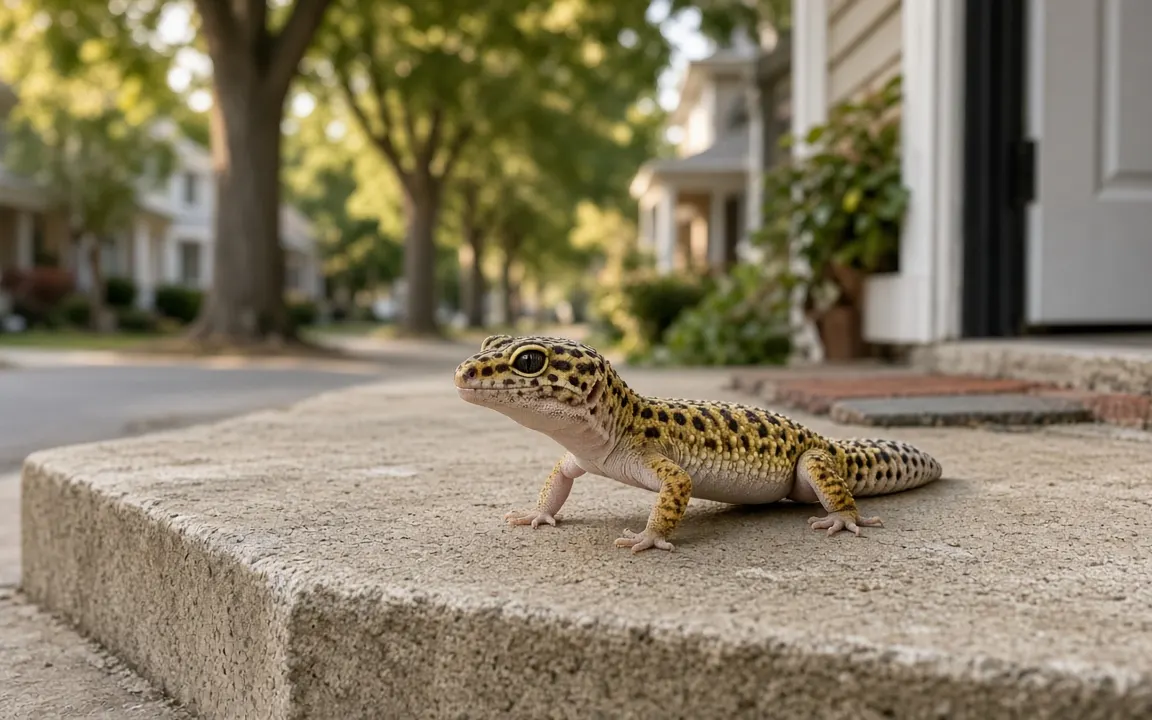
Darwin, Northern Territory
Finding reptile-savvy help in Darwin
Darwin is Australia's most remote capital, with suburbs spread across the northern suburbs, Palmerston and out into the rural area around Howard Springs and Humpty Doo. Many homes are elevated tropical houses or units, and rural blocks can be a long drive from the city. When you ask for options, include your suburb, whether your pet is at home or at the vet, and any access issues.
Darwin is hot all year, and the build-up and wet season bring intense humidity, monsoon rain and storms. If your pet dies at home, act quickly: wrap your pet in a towel, place ice packs or frozen bottles around the body and keep it in the coolest air-conditioned room. Cyclone warnings and flooded roads can disrupt services, so ask your vet about cold storage.
Families in Darwin with a big tortoise or a heavy constrictor often find the logistics are the hardest part. Ask the provider to collect if you can't lift safely, give them the weight and the length, and mention any stairs. Some crematories have a size limit on their smaller chamber, so asking early saves a second phone call and a wasted trip.
Darwin's population is around 147,000.
Our estimate
1,750
How many reptile-owning households Darwin has (estimate)
How we calculated this
147,000 ÷ 2.5 = 58,800 households; × 3% (reptile) = 1,750. Homes are counted once however many pets they keep.
3%[1]
3% of Australian households keep reptiles.
71%[2]
Australian cremation rates hovered around 70-72% between 2020 and 2023, with Sydney and Melbourne often above 80%.
6 million[3]
About 6 million US households keep reptiles.
700,000[4]
There are about 700,000 pet tortoises and turtles in the UK (1.6% of households).
The numbers above come from Animal Medicines Australia, Pets in Australia 2025 (media release) and American Pet Products Association (APPA) 2025 National Pet Owners Survey release, if you'd like to read the original sources.
Cremation habits in Australia and your reptile
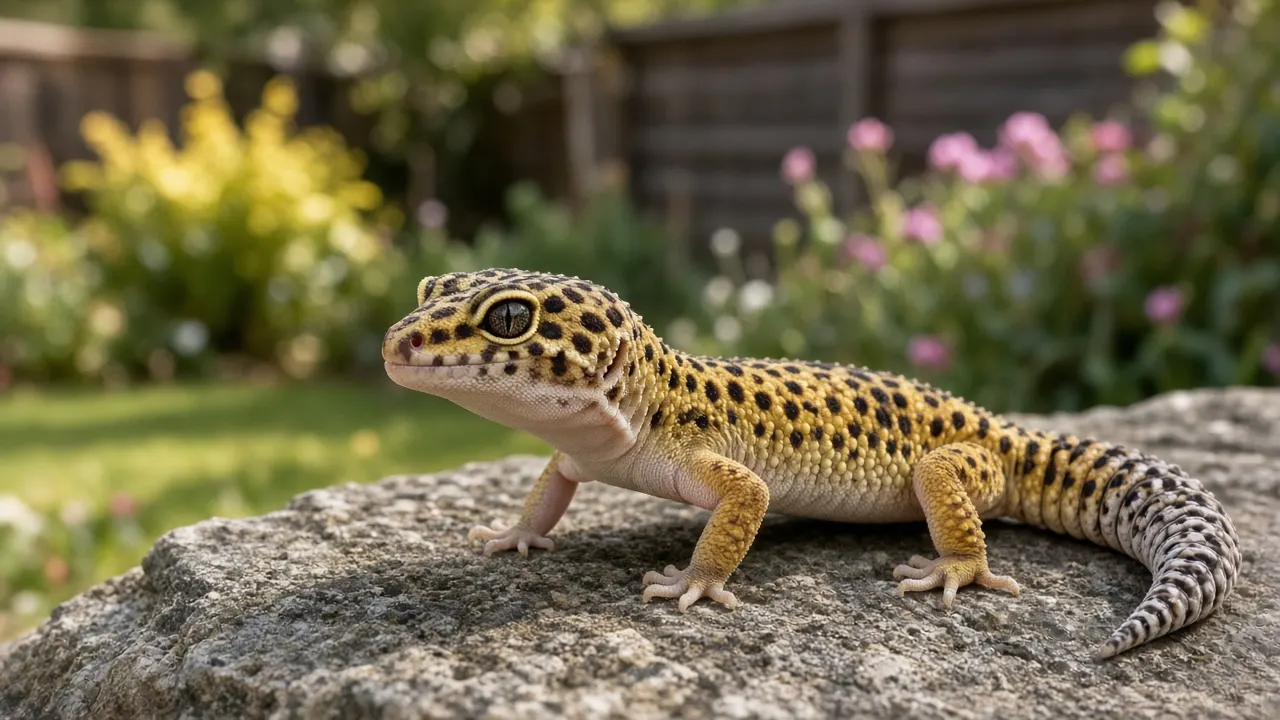
Cremation is the everyday choice in Australia: about 71%[2] of people who die there are cremated. That familiarity helps reptile keepers, because local crematories are well established and nobody needs to explain wanting ashes home. The gap is experience with unusual species, so the practical step is simply to ask how often a provider sees snakes, lizards and tortoises.
Source for the Australia number: FuneralSmart (2023). Nobody publishes a pet cremation rate for Darwin, so the human figure is the best local signal available.
Darwin weather and your reptile
Seasons change reptile behavior as much as they change timing. Many species eat less and barely move in the cooler months, and tortoises may hibernate. If your reptile stopped moving during a seasonal slowdown in Darwin, a vet check is the kind thing to do before you make any plans at all.
Budgeting for a snake, lizard or tortoise in Darwin
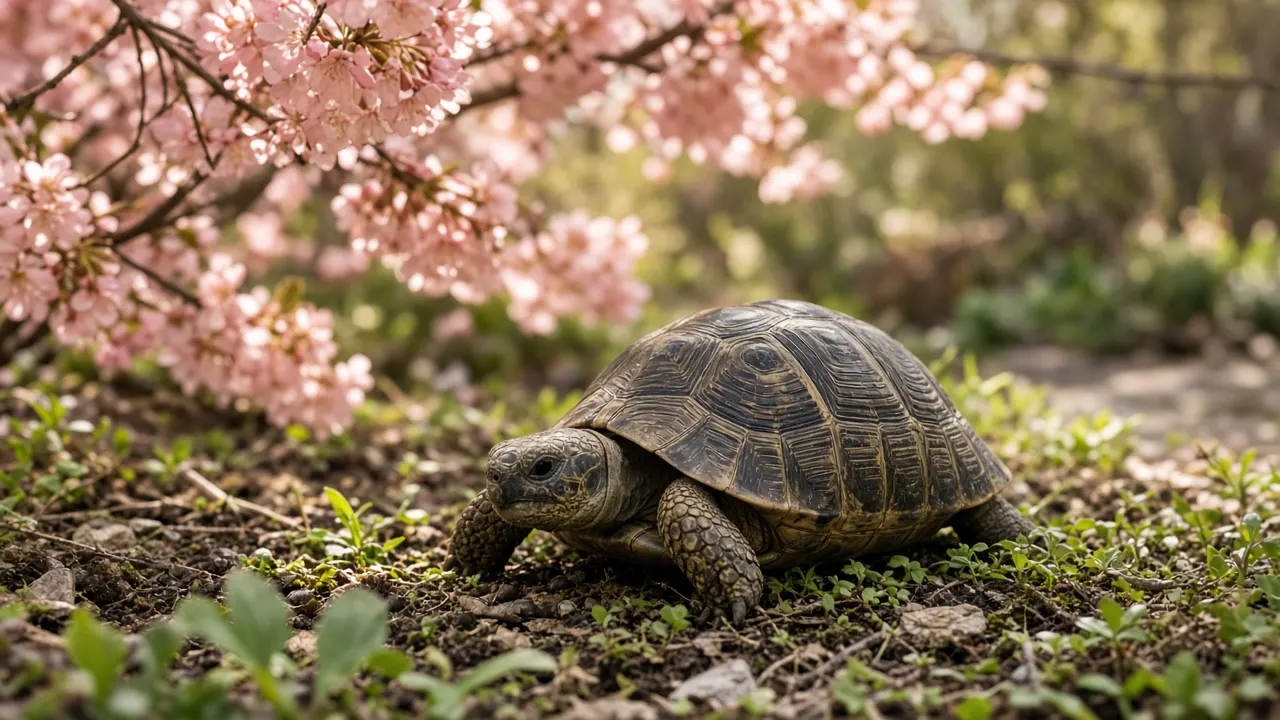
In Australia, a survey of listed prices puts the median individual cremation for pets up to 5 kg at about AUD 412[5], which covers almost every pet reptile from a bearded dragon to a blue-tongue skink. Communal cremation can cost from AUD 80[6]. Prices differ by state, so ask Darwin providers for their small-pet rate in writing.
Rather than repeat the price table on every city page, we keep one for Northern Territory: Northern Territory costs. What each service includes is on the services page.

Free tool
Cremation cost calculator
Estimate a realistic price range for your pet's size, location and the type of cremation.
What Northern Territory allows for burial and ashes
Before a home burial anywhere in Northern Territory, look past the regional rules to the ones closer to home. Leases, homeowners' associations and some city ordinances forbid burying animals on the property, even a small lizard. Cremation needs no such permission, and the ashes can go with you wherever you settle next.
In Australia, most pet reptiles are native species kept under a state or territory wildlife licence, and some licences require you to record a death or how the body was disposed of. Check your licence conditions and ask the crematory for a written certificate. Summer heat makes prompt refrigeration important, especially for large pythons and turtles.
The Northern Territory page sets out who oversees pet cremation and what the state says about burial and scattering. Darwin's own bylaws can sit on top of that, so ask before you dig.
A calm checklist for keepers in Darwin
- Book the final appointment with a vet who treats reptiles regularly, and check whether sedation comes first. The usual approach is one injection to bring sleep, then a second to end life.
- Settle the aftercare before the day, so you aren't choosing between services in the consulting room. Tell the clinic whether you want private cremation and the ashes returned.
- Pack a familiar hide or towel so the carrier smells like home, and on a cold day add a heat pack wrapped in cloth for the trip.
- Ask the vet to confirm death with a Doppler before heading home. After the injection, a reptile's heart may keep up a slow beat for some time.
- Decide whether to stay in the room. Many keepers do; others say goodbye beforehand. Both are loving choices.
- Read the cremation form before signing, checking private or communal and writing down any request about a shell, shed or keepsake.
- Pay ahead if the clinic allows it, and the goodbye won't end at the reception desk.
Ways to remember a reptile locally
With Darwin so far from other capitals, pet aftercare is arranged locally rather than sent interstate, and services can be more limited than in larger cities. Choose private cremation if you want the ashes back to keep or to scatter later. Choosing communal cremation keeps costs down, but there are no ashes afterwards. If you're thinking of burying your pet on a rural block, check local rules first.
or see what other families chose in the poll results, look through our guides and the blog, the planning tools turn your pet's details into figures, See what each option includes on our services page. Every other community in Northern Territory, and all of Australia, is listed too.

Reader polls
What would you choose?
Vote anonymously and see how other readers answered. The results are live counts from people who visit this site, so they show real opinions, not a scientific sample.
For a small lizard or gecko, would you still choose private cremation knowing only a pinch of ash may come back?
Tap an answer to vote and see how others answered. Anonymous.
What did you do with the enclosure after your reptile died?
Tap an answer to vote and see how others answered. Anonymous.
If you had to decide today, which aftercare would you choose for your pet?
Tap an answer to vote and see how others answered. Anonymous.

Free tools to help you plan
Cremation cost calculator
Estimate a realistic price range for your pet's size, location and the type of cremation.

Ashes weight estimator
See roughly how much ash to expect back, by species and body weight.

Pet age & senior years calculator
Convert your pet's age and see when senior-care and planning conversations usually start.
Questions people ask
Why does the Darwin page quote a human cremation rate?
Because it is the best local signal we have. FuneralSmart (2023) reports about 71%[2] of Australia residents are cremated. There is no official pet equivalent, and inventing one would be worse than quoting a real, clearly labelled number.
My reptile died within its first year. Is that common?
It's less common than some claims suggest. A peer-reviewed University of Kent survey found only 3.6%[8] of pet snakes, chelonians and lizards died within their first year, though rates varied by species, with chameleons highest. If your reptile died young, a vet can help you understand why, which may protect any others you keep.
Can I freeze my reptile before cremation?
Yes, once death is definitely confirmed. Double-bag the body, place it in a labelled, lidded tub and keep it away from food. Freeze only if the wait will be more than a couple of days and you don't want a post-mortem, because freezing damages tissue. For shorter waits, the fridge is enough.
How long do pet reptiles usually live?
It varies hugely. The Merck Veterinary Manual gives average captive lifespans of 15 to 20 years for a ball python, 5 to 10 for a bearded dragon, 20 or more for a leopard gecko and 25 to 50 for an eastern box turtle[9]. The pet age calculator puts your reptile's age in context.
How long until I get my reptile's ashes back?
Many families get private cremation ashes back within one to two weeks, and 5-10 days[10] is commonly quoted in the US. From a smaller town, where the crematory may collect only on certain days, it can take longer. Ask for an expected return date when you book, and whether the ashes come by post or for collection.
Will a crematory near Darwin accept a snake?
Most pet crematories will cremate a snake, but experience varies. Give the species, weight and length when you call. A long python may need to be coiled into a container that fits the chamber door, and a few smaller operations have a size limit. Ask how often they handle snakes and whether the cremation is private.


Sources and our estimates
- [1] 3% of Australian households keep reptiles. Animal Medicines Australia, Pets in Australia 2025 (media release), 2025.
- [2] Australian cremation rates hovered around 70-72% between 2020 and 2023, with Sydney and Melbourne often above 80%. FuneralSmart, 2023.
- [3] About 6 million US households keep reptiles. American Pet Products Association (APPA) 2025 National Pet Owners Survey release, 2025.
- [4] There are about 700,000 pet tortoises and turtles in the UK (1.6% of households). UK Pet Food (formerly PFMA) Pet Population 2026, 2026.
- [5] An Australian provider survey of listed prices puts the median individual cremation at AUD 412 for pets up to 5 kg (range AUD 295-612). Pet Farewell (Australia) - Pet Cremation Cost Australia (2026), 2026.
- [6] Australian communal cremation starts from about AUD 80 at the industry low end. Pet Farewell (Australia) - Pet Cremation Cost Australia (2026), 2026.
- [7] Private cremation cost per pound falls with size in the US: roughly $9.2/lb for a 15 lb pet, $4.2/lb at 60 lb and about $4.0/lb at 100 lb. Our estimate: band midpoint price / representative weight: 0-30 lb (midpoint $137.50 / 15 lb) = $9.17/lb; 51-70 lb ($250 / 60 lb) = $4.17/lb; over 90 lb ($400 / ~100 lb) = $4.00/lb. How we calculate.
- [8] A University of Kent survey found only 3.6% of pet snakes, chelonians and lizards died within one year of acquisition; boas and pythons had the lowest mortality (1.9%) and chameleons the highest (28.2%). Robinson JE, St John FA, Griffiths RA, Roberts DL. Captive Reptile Mortality Rates in the Home and Implications for the Wildlife Trade. PLoS One, 2015 (PMID 26556237), 2015.
- [9] Average captive lifespans: ball python 15-20 years, boa constrictor 15-25, corn snake 10-15, bearded dragon 5-10, green iguana 5-15, leopard gecko 20+, eastern box turtle 25-50, leopard tortoise 50+. Merck Veterinary Manual - Table: Average Life Span of Reptiles in Captivity.
- [10] A US aftercare guide says many families receive private cremation ashes within about one to two weeks, with 5-10 days commonly quoted. Funeral.com - Pet Cremation Timelines: How Long Until Ashes Are Returned, 2026.
Tell us about your reptile
Tell us what you need and where you are. We'll reply by email with clear options and prices so you can decide in your own time.