Saying goodbye to your reptile in Rio de Janeiro
A cold or brumating reptile can look lifeless, so the first step is a vet check. After that, this page walks through Rio de Janeiro prices, timing, local rules and keepsakes.
- Safe handling and Salmonella tips
- Private or communal, explained simply
- Help with large snakes and heavy tortoises
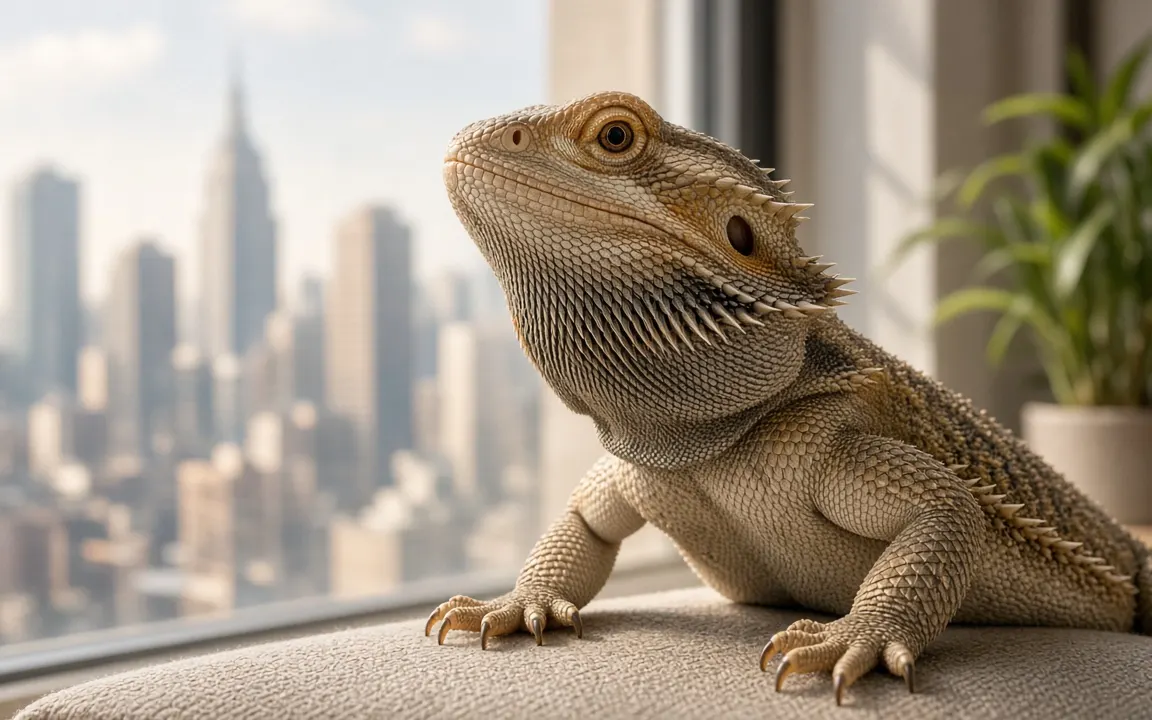
Rio de Janeiro, Brazil
What arranging reptile cremation in Rio de Janeiro is like
Life in Rio happens outdoors, and many owners picture their pet's last place as somewhere they enjoyed together: a stretch of beach, the forested slopes of Tijuca, or the shore of the Lagoa. If scattering ashes is part of your plan, a private cremation is the way to make sure the ashes you receive are your pet's alone. Ask about any rules for the place you have in mind, particularly on protected land.
Rio is squeezed between mountains and sea, and the way you live depends on where: apartment towers in the South Zone, houses and older buildings in the North Zone, gated condominiums in Barra da Tijuca, and hillside communities with steps instead of streets. Tell any provider exactly where your pet is, including stairs, lifts and whether a car can reach the door, because collection in Rio is often shaped by access rather than distance.
Outdoor space is scarce in Rio de Janeiro, and a shared courtyard or rented yard is no place to bury a reptile. That's one reason most city keepers choose cremation. A small lizard's ashes fit a balcony planter or a bookshelf, so you still have somewhere to remember them without asking a landlord's permission.
About 6,748,000 people live in Rio de Janeiro.
9%[1]
Only about 8-9% of people who die in Brazil are cremated, according to Brazil's private cemetery and crematoria union (Sincep).
6 million[2]
About 6 million US households keep reptiles.
700,000[3]
There are about 700,000 pet tortoises and turtles in the UK (1.6% of households).
3-5% of body weight[4]
Embrace notes cremated remains typically weigh about 3-5% of the pet's original body weight.
None of the figures on this this page are ours alone: they rest on American Pet Products Association (APPA) 2025 National Pet Owners Survey release and UK Pet Food (formerly PFMA) Pet Population 2026.
What local cremation culture means for keepers
Only about 9%[1] of people in Brazil are cremated, so burial remains the local habit, and many reptile keepers here bury small lizards, snakes and turtles at home. Cremation is still widely available, and it's worth considering if you rent, might move, or keep a tortoise you'd like to take with you wherever you live.
The Brazil figure comes from Exame, citing Sincep (2024). It describes people, not pets, so read it as a sign of local attitudes rather than a pet statistic.
What Rio de Janeiro's climate means for aftercare
Wherever you are, the first rule with a reptile is to confirm death before anything else, because a cold or brumating reptile can seem lifeless. After that, keep the body in a sealed tub in the fridge. In warm weather, ask for collection within a day or two; in cold weather, you'll usually have a little more time.
Paying for a reptile's cremation in Rio de Janeiro
In the UAE, burying an animal isn't permitted, and municipal disposal is a mass cremation with no ashes returned[5]. Other countries have rules just as firm. Before comparing prices in Rio de Janeiro, find out which routes are allowed locally, then ask for an individual cremation if you'd like the ashes returned.
The Brazil price table breaks costs down by size; our services page explains what sits behind each line.

Free tool
Cremation cost calculator
Estimate a realistic price range for your pet's size, location and the type of cremation.
Permits, paperwork and burial in Brazil
Few authorities inspect how a pet crematory keeps a small body apart from others, and Brazil is unlikely to be an exception. That puts the job of asking on you. The rules summarized below cover what you may do with a body or ashes; a promise that your reptile is cremated alone belongs in a written agreement.
The first 48 hours with a reptile, step by step
- If a sitter or neighbor found your reptile, have them take pictures of the tank and the thermostat setting before anything is touched.
- Have them wear gloves, seal the body in a bag inside a lidded tub, label it and refrigerate it on a shelf well clear of food.
- Phone your usual vet to see if your sitter can bring the body to the clinic. Often they'll keep it there until you return.
- Don't cut the trip short for the cremation. Once your reptile is cold and sealed, or at the vet, a few days' wait does no harm.
- Travelling with your reptile when it died? A vet wherever you are can confirm death, then either refrigerate the body for the drive home or tell you who cremates locally.
- Check your other animals first when you get home, above all when a heating problem could have been the cause.
Remembering your reptile in Rio de Janeiro
Summers in Rio are hot and humid, and heavy storms can flood streets and cause landslides on the hillsides, especially from December to March. In that heat, a pet's body needs cooling within a few hours, so use ice packs wrapped in a towel near the belly and back and keep the room as cool as possible. Traffic through the tunnels between zones can be slow, so plan collection times with that in mind.
use the free tools before you ring anyone, or see what other families chose in the poll results, look through our guides and the blog, The services page is the place to compare what is included. Every other community in Brazil, and all of Brazil, is listed too.

Reader polls
What would you choose?
Vote anonymously and see how other readers answered. The results are live counts from people who visit this site, so they show real opinions, not a scientific sample.
If your tortoise or turtle died, what would you want done with the shell?
Tap an answer to vote and see how others answered. Anonymous.
For a small lizard or gecko, would you still choose private cremation knowing only a pinch of ash may come back?
Tap an answer to vote and see how others answered. Anonymous.
If you had to decide today, which aftercare would you choose for your pet?
Tap an answer to vote and see how others answered. Anonymous.

Free tools to help you plan
Cremation cost calculator
Estimate a realistic price range for your pet's size, location and the type of cremation.

Ashes weight estimator
See roughly how much ash to expect back, by species and body weight.

Pet age & senior years calculator
Convert your pet's age and see when senior-care and planning conversations usually start.
Questions people ask
Why does the Rio de Janeiro page quote a human cremation rate?
Because it is the best local signal we have. Exame, citing Sincep (2024) reports about 9%[1] of Brazil residents are cremated. There is no official pet equivalent, and inventing one would be worse than quoting a real, clearly labelled number.
My reptile died within its first year. Is that common?
It's less common than some claims suggest. A peer-reviewed University of Kent survey found only 3.6%[7] of pet snakes, chelonians and lizards died within their first year, though rates varied by species, with chameleons highest. If your reptile died young, a vet can help you understand why, which may protect any others you keep.
Do crematories near Rio de Janeiro take venomous snakes?
Many will, but you must tell them the species in advance. Handle the head only with tongs, place the body in a rigid, sealed container and label it clearly. Venom remains dangerous after death, and a bite reflex can persist for a while. Some providers ask for extra handling time, which may affect the price.
Why does a tiny gecko cost almost as much to cremate as a cat?
Because most of the price is fixed work rather than size: collection, record keeping, running the chamber, cooling, processing the ashes and a return container. Those steps take much the same time for a 50-gram gecko as for a cat. That's why comparing each provider's minimum private price matters more than per-pound rates when your reptile is small.
Can a vet put my reptile to sleep at home in Rio de Janeiro?
Some mobile vets offer home euthanasia for reptiles, but not all, because reptiles need species-specific sedation. Ask whether the vet has experience with your species and whether they can take your reptile to a crematory afterwards. If home visits aren't available, a quiet appointment at the start or end of clinic hours is a gentle alternative.
Can I bury my reptile at home in Brazil?
Often yes, on land you own and subject to local rules on depth and distance from water. Bury deep enough that animals can't dig it up, away from wells and vegetable beds, and never in a pot you'll keep indoors. If you rent or might move, cremation lets you keep your reptile with you wherever you go.


Sources and our estimates
- [1] Only about 8-9% of people who die in Brazil are cremated, according to Brazil's private cemetery and crematoria union (Sincep). Exame, citing Sincep, 2024.
- [2] About 6 million US households keep reptiles. American Pet Products Association (APPA) 2025 National Pet Owners Survey release, 2025.
- [3] There are about 700,000 pet tortoises and turtles in the UK (1.6% of households). UK Pet Food (formerly PFMA) Pet Population 2026, 2026.
- [4] Embrace notes cremated remains typically weigh about 3-5% of the pet's original body weight. Embrace Pet Insurance - Bury or Cremate Your Dog? Costs, Pros & Cons, 2025.
- [5] Dubai Municipality states it is not permissible to bury animals in the UAE; municipal disposal is mass cremation with no ashes returned. Khaleej Times - UAE: What to do if your pet dies; process, costs, law explained (Aug 2024, upd. Oct 2024), 2024.
- [6] Private cremation cost per pound falls with size in the US: roughly $9.2/lb for a 15 lb pet, $4.2/lb at 60 lb and about $4.0/lb at 100 lb. Our estimate: band midpoint price / representative weight: 0-30 lb (midpoint $137.50 / 15 lb) = $9.17/lb; 51-70 lb ($250 / 60 lb) = $4.17/lb; over 90 lb ($400 / ~100 lb) = $4.00/lb. How we calculate.
- [7] A University of Kent survey found only 3.6% of pet snakes, chelonians and lizards died within one year of acquisition; boas and pythons had the lowest mortality (1.9%) and chameleons the highest (28.2%). Robinson JE, St John FA, Griffiths RA, Roberts DL. Captive Reptile Mortality Rates in the Home and Implications for the Wildlife Trade. PLoS One, 2015 (PMID 26556237), 2015.
Find a Rio de Janeiro provider that accepts reptiles
Tell us what you need and where you are. We'll reply by email with clear options and prices so you can decide in your own time.