Reptile Cremation in Saskatchewan
A cold or brumating reptile can look lifeless, so the first step is a vet check. After that, this page walks through Saskatchewan prices, timing, local rules and keepsakes.
- Confirm death before anything is decided
- Providers in Saskatchewan that accept reptiles
- Written prices by size, by email
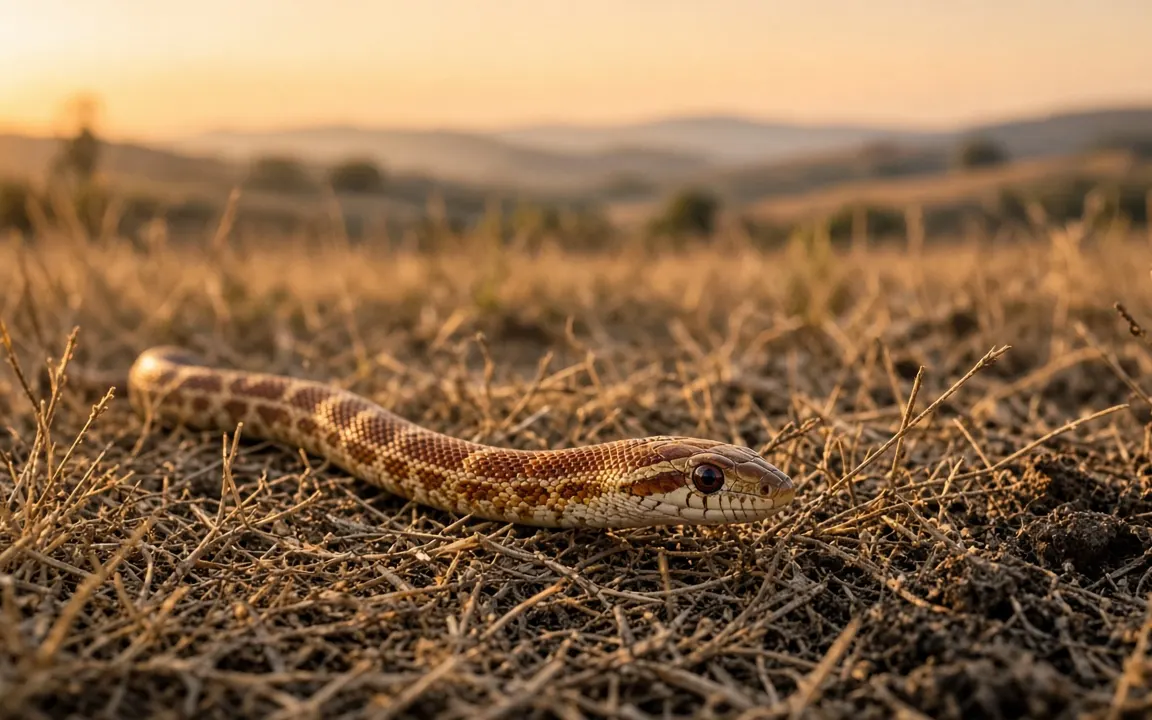
Saskatchewan, Canada
Reptile Cremation in Saskatchewan: what to know
Many keepers across Saskatchewan care for more than one reptile, and a death in a collection raises questions a single-pet household never faces: was it infectious, are the others safe, should a vet examine the body first? This page covers what cremation costs and what the rules allow across Saskatchewan; each city page adds local weather and timing.
Many reptile keepers in Saskatchewan live in apartments and rented homes, where home burial isn't an option, so cremation is the natural choice. Others have gardens with outdoor tortoise pens and room for a burial. Both are good goodbyes. This page explains costs, rules and timing across Saskatchewan, and the city pages below go further.
We cover 2 communities in Saskatchewan, from Saskatoon and Regina.

Every Saskatchewan community we cover
Choose your city or town for local prices, weather and timing, and rules. 2 communities in Saskatchewan, largest first below.
Local attitudes to cremation and burial
Roughly 81.1%[1] of deaths in Saskatchewan end in cremation, so many families already have an urn or two at home. That shapes what keepers here tend to do: a reptile's ashes often join a shelf of family keepsakes rather than a garden plot. If that's your plan, a small container that matches the others looks more settled than a separate display.
CANA Industry Statistical Information (2030) publishes the Saskatchewan rate we quote. Read it as the local custom around cremation rather than as pet data.
Saskatchewan prices, from gecko to giant tortoise
A Vancouver Island crematorium charges CAD 195 for private cremation of pets up to 20 lb, rising to CAD 315 at 81 to 100 lb[2]. Nearly every reptile kept in Saskatchewan fits the bottom band, though a big sulcata may not. Weigh the sealed tub on a kitchen or bathroom scale and quote that figure when you call.
Some Canadian shelters and SPCAs bundle euthanasia with communal cremation; in Hamilton and Burlington it's CAD 225 to 275 for cats[3]. Few providers publish reptile prices, so treat cat prices as the nearest guide for a small lizard or snake, and expect a large tortoise in Saskatchewan to be quoted by weight.
| Provider and band | Communal | Private |
|---|---|---|
| Ontario provider, under 25 lb | CAD 199 | CAD 449 |
| Ontario provider, 25 to 250 lb | CAD 279 | CAD 549 |
| Vancouver Island crematorium, up to 20 lb | n/a | CAD 195 |
| Source | Provider price lists, 2026 | Most reptiles fall in the smallest band |

Free tool
Cremation cost calculator
Estimate a realistic price range for your pet's size, location and the type of cremation.
Before you bury or scatter in Saskatchewan
The rules that matter most after a reptile dies usually concern land rather than cremation. Burying on property you don't own, or scattering in a park or waterway, can need permission in Saskatchewan. A small lizard leaves so little ash that many keepers skip scattering entirely and keep it at home, which avoids the question.
Across Canada, long winters mean brumation and power cuts in ice storms are the two things most likely to confuse or endanger a pet reptile, so confirm death with a vet before making plans. Some municipalities restrict large constrictors and venomous species, and the rules vary from place to place. Most crematories accept reptiles through vets, and many deal with keepers directly.
- Burial at home: Confirm the rule for the actual parcel and proposed burial with the local authority and property owner.
- Scattering ashes: Ask the exact land manager about scattering before making arrangements; a general gathering permission is a separate matter.
- Who oversees it: the authority responsible for the specific activity and location; this guide does not identify a universal permit or licensing rule
- Worth knowing: Record the service method, release authority, identification and return instructions in writing.
A city's population does not establish which aftercare activities are allowed at an address. Check the actual site and activity before proceeding.
The first 48 hours with a reptile, step by step
- Note what happened. Read the enclosure thermometers, and mention any power cut or failed heater to your vet, particularly when other reptiles live under the same roof.
- Look gently for signs of life at normal temperature: a tongue flick, an eye response, a slow breath. Then call a vet to confirm.
- Handle with gloves, and use tongs near the head if the species is venomous. A bite reflex can remain after death.
- Store the body cold in a sealed tub, inside two bags, as soon as the vet has confirmed death.
- Tell the provider about the shell or the size before collection. A tortoise shell can be kept, but only if you decide before cremation.
- Keep a shed or scute if there is one to save: let it dry, then lay it flat behind glass.
- Give yourself time. A dark, silent vivarium is a hard thing to walk past, and it can stay up as long as you need.
Honoring a long, quiet bond
Many keepers record everything: feeding days, weights, shed dates. Those notebooks make a quietly moving memorial. Some Saskatchewan keepers print a year of weights as a simple line, frame the last clean shed beside it and add a small vial of ashes. Together they tell the story of an animal that relied on your care every single day.
If Saskatchewan is not quite where you are, all locations has the rest. Otherwise the services page, the tools and the poll results are the useful next stops.

Reader polls
What would you choose?
Vote anonymously and see how other readers answered. The results are live counts from people who visit this site, so they show real opinions, not a scientific sample.
For a small lizard or gecko, would you still choose private cremation knowing only a pinch of ash may come back?
Tap an answer to vote and see how others answered. Anonymous.
What did you do with the enclosure after your reptile died?
Tap an answer to vote and see how others answered. Anonymous.
If you had to decide today, which aftercare would you choose for your pet?
Tap an answer to vote and see how others answered. Anonymous.

Free tools to help you plan
Cremation cost calculator
Estimate a realistic price range for your pet's size, location and the type of cremation.

Ashes weight estimator
See roughly how much ash to expect back, by species and body weight.

Pet age & senior years calculator
Convert your pet's age and see when senior-care and planning conversations usually start.
Questions people ask
Is cremation common in Saskatchewan?
For people, about 81.1%[1] of deaths in Saskatchewan end in cremation, and pet aftercare tends to follow local habits. Among reptile keepers, cremation is common for long-lived animals like tortoises and for anyone without a garden, while small lizards and turtles are still often buried at home.
Do vets in Saskatchewan offer home euthanasia for reptiles?
Some do, mostly mobile vets working around larger cities such as Saskatoon and Regina. Because sedation differs between a snake, a lizard and a tortoise, ask how often the vet does this for your species and who transports the body afterwards. Where no home service exists, booking the first or last slot of the clinic day keeps things quiet.
Can I release a sick reptile or dispose of a body outdoors in Saskatchewan?
Please don't. Releasing a pet reptile can harm local wildlife, and some species are covered by invasive-species rules that make release illegal. Disposing of a body in the open can spread Salmonella and attract scavengers. If you can no longer care for a living reptile, contact a reptile rescue; for a body, choose cremation or a proper burial.
How can I be sure my reptile was cremated on its own in Saskatchewan?
Ask for the promise in writing. A good provider will state which type of cremation you're paying for, how a small body is tracked from pickup to return and what kind of certificate you'll receive. Some let you be present or drop your reptile off yourself. Vague answers to these questions are a reason to look elsewhere.
How long does it take to get a reptile's ashes back in Saskatchewan?
Many families receive ashes within one to two weeks. In large cities it can be faster; in rural areas where the crematory collects from vets on set days, it may take a little longer. Ask for an expected return date when you book, and whether the ashes come by post or for collection.
How many communities do you cover in Saskatchewan?
We currently have local reptile aftercare guides for 2 communities in Saskatchewan, including Saskatoon and Regina. Each page covers local weather and timing, prices, rules and how collection usually works there, with advice for keepers of snakes, lizards and tortoises.

Sources and our estimates
- [1] CANA projects the Canadian cremation rate will reach 81.1% by 2030. CANA Industry Statistical Information, 2030.
- [2] A Vancouver Island crematorium lists private cremation at CAD 195 (0-20 lb), CAD 255 (41-60 lb) and CAD 315 (81-100 lb), excluding GST. Vancouver Island Animal Crematorium - Pet Cremation Rates, 2026.
- [3] The Hamilton/Burlington SPCA bundles euthanasia plus communal cremation at CAD 225-275 for cats and CAD 240-475 for dogs (plus HST). Florence (Ontario) - How Much Does Pet Euthanasia and Cremation Cost in Ontario? 2026 Guide, 2026.
- [4] If Jonathan the tortoise hatched in 1832, he is about 194 years old in 2026. Our estimate: 2026 - 1832. How we calculate.
Get reptile cremation options in Saskatchewan
Tell us what you need and where you are. We'll reply by email with clear options and prices so you can decide in your own time.