Reptile Cremation in Hiroshima
A cold or brumating reptile can look lifeless, so the first step is a vet check. After that, this page walks through Hiroshima prices, timing, local rules and keepsakes.
- Confirm death before anything is decided
- Providers in Hiroshima that accept reptiles
- Written prices by size, by email

Hiroshima, Japan
Reptile Cremation in Hiroshima: what to know
Many reptile keepers in Hiroshima live in apartments and rented homes, where home burial isn't an option, so cremation is the natural choice. Others have gardens with outdoor tortoise pens and room for a burial. Both are good goodbyes. This page explains costs, rules and timing across Hiroshima, and the city pages below go further.
Keepers across Hiroshima share a hard first question that dog and cat owners rarely face: has my reptile really died? Brumation, cold and illness can all make a snake, lizard or tortoise look lifeless. This page covers the regional picture, from costs to local rules, and each of the 1 city pages below adds local weather, vets and timing.
We cover 1 community in Hiroshima, from Hiroshima.
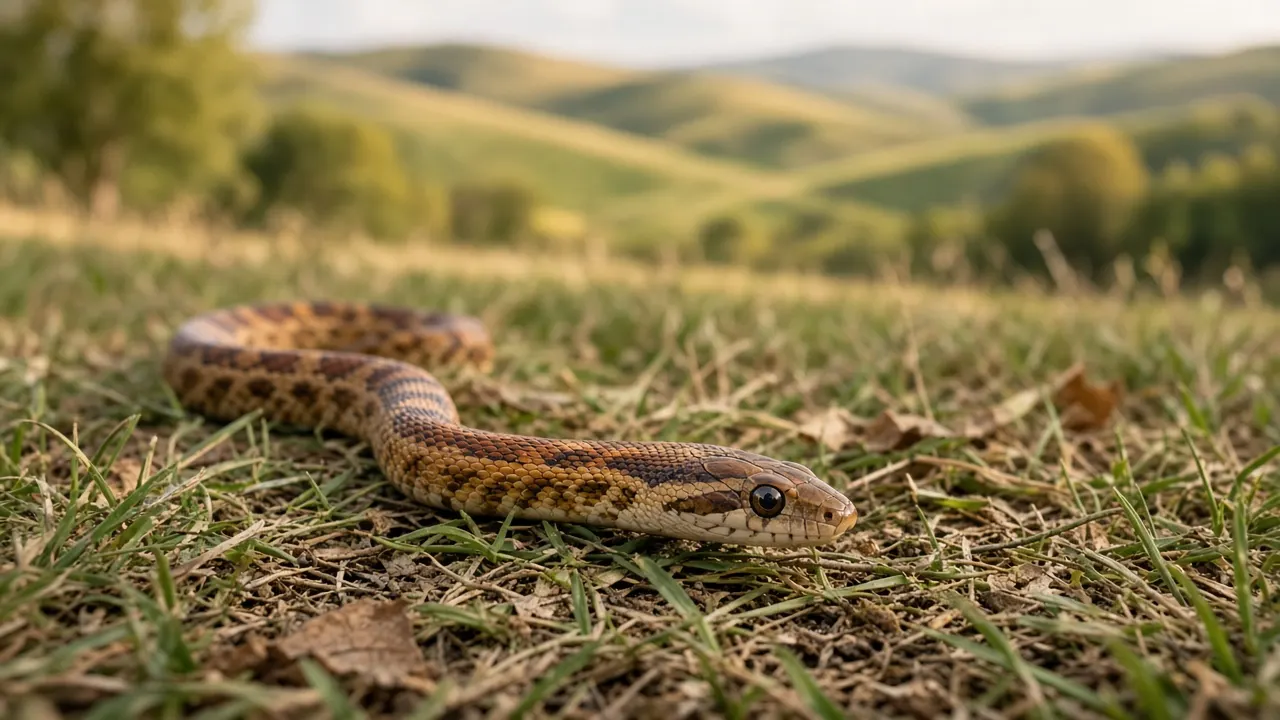

Every Hiroshima community we cover
Choose your city or town for local prices, weather and timing, and rules. 1 communities in Hiroshima, largest first below.
How Hiroshima thinks about cremation
A human cremation rate as high as 99.97%[1], the figure for Hiroshima, supports a crowded pet aftercare market with long menus of extras: paw prints, velvet bags, photo frames. Most were designed with dogs and cats in mind. For a snake or lizard, choose only what fits, and ask to see the basic private price on its own line.
Source for the Hiroshima figure: Cremation Society of Great Britain, International Cremation Statistics 2023 (2023). It describes human funerals and is here as context, not as a count of pets.
Budgeting for a snake, lizard or tortoise in Hiroshima
Across much of Asia, a short ceremony is treated as part of the price rather than an extra. About 30% of Japanese owners in one survey felt a funeral would help them avoid regret[2]. For a snake or turtle in Hiroshima, decide whether a ceremony matters to you before comparing quotes, since packages differ mainly on that.
In Singapore, one columbarium lists communal cremation at SGD 160[3] and private at SGD 280[4] for a pet under 5 kg, with niches extra. Space is tight across much of urban Asia, so cremation is the usual choice for reptiles too. Ask any Hiroshima provider whether a small-pet rate applies and whether the ashes come back.
| Place | Example | What's included |
|---|---|---|
| Hong Kong (1 to 5 kg pet) | HKD 1,300 individual | Basic cremation |
| Singapore (pet under 5 kg) | SGD 160 communal / SGD 280 private | Columbarium niches extra |
| Japan (1 to 5 kg pet) | about JPY 60,000 | Funeral package with ceremony |
| Tokyo, Shinjuku ward collection | JPY 3,000 | Communal, ashes not returned |

Free tool
Cremation cost calculator
Estimate a realistic price range for your pet's size, location and the type of cremation.
Rules reptile keepers should know in Hiroshima
The rules that matter most after a reptile dies usually concern land rather than cremation. Burying on property you don't own, or scattering in a park or waterway, can need permission in Hiroshima. A small lizard leaves so little ash that many keepers skip scattering entirely and keep it at home, which avoids the question.
In Japan, pet funerals are an established tradition, often with a short ceremony and the option of a temple columbarium, and many pet funeral halls accept reptiles. Ask whether the ashes are returned rather than assuming it. Some pet turtles are covered by invasive species rules, so never release a turtle, living or dead, into a river or pond.
The first 48 hours with a reptile, step by step
- Leave the heating as it is for a moment and write down the basking-spot and cool-end readings. They are the first clue your vet will ask about.
- Watch before you touch. Give it a full minute: look at the throat and flanks for a slow breath, and note whether the eyes look sunken or the body feels stiff.
- Lift your reptile out with gloved hands and settle it on a fresh towel inside a low box, then leave it at room temperature until a qualified person has examined it.
- Ring the clinic as soon as it opens to request an appointment that day, and say what species it is so the receptionist picks a vet who knows reptiles.
- Once death is confirmed, let the calendar decide storage: the fridge for a pickup within two days, the freezer for anything longer.
- Ask for a written quote that lists the species, the weight and whether ashes are coming home. For a rough number before you call, try our cost calculator.
- Strip and disinfect the enclosure last, after the body has gone, so you aren't facing both jobs at once.
Honoring a long, quiet bond
Many keepers in Hiroshima hold on to a shed skin as their most personal keepsake, with every scale and marking intact. Dry it fully, handle it with gloves and store it flat in a sealed frame or shadow box. Pair it with a small vial of ashes and a photo, and the whole memorial fits on one shelf.
From here: services and prices, the free tools, what readers voted in the polls, or the map of every location.

Reader polls
What would you choose?
Vote anonymously and see how other readers answered. The results are live counts from people who visit this site, so they show real opinions, not a scientific sample.
If your tortoise or turtle died, what would you want done with the shell?
Tap an answer to vote and see how others answered. Anonymous.
When your reptile seemed to have died, how sure were you at first?
Tap an answer to vote and see how others answered. Anonymous.
If you had to decide today, which aftercare would you choose for your pet?
Tap an answer to vote and see how others answered. Anonymous.

Free tools to help you plan
Cremation cost calculator
Estimate a realistic price range for your pet's size, location and the type of cremation.
Ashes weight estimator
See roughly how much ash to expect back, by species and body weight.

Pet age & senior years calculator
Convert your pet's age and see when senior-care and planning conversations usually start.
Questions people ask
How can I be sure my reptile was cremated on its own in Hiroshima?
Ask for the promise in writing. A good provider will state which type of cremation you're paying for, how a small body is tracked from pickup to return and what kind of certificate you'll receive. Some let you be present or drop your reptile off yourself. Vague answers to these questions are a reason to look elsewhere.
Is it hard to find a reptile vet in Hiroshima?
It depends where you are. Larger cities such as Hiroshima usually have at least one exotics practice, while smaller towns may rely on general vets. Any vet can confirm death and arrange cremation, but for a living reptile that's unwell, a reptile-experienced vet is worth the drive. Save a number before you need it.
How many communities do you cover in Hiroshima?
We currently have local reptile aftercare guides for 1 communities in Hiroshima, including Hiroshima. Each page covers local weather and timing, prices, rules and how collection usually works there, with advice for keepers of snakes, lizards and tortoises.
Is cremation common in Hiroshima?
For people, about 99.97%[1] of deaths in Hiroshima end in cremation, and pet aftercare tends to follow local habits. Among reptile keepers, cremation is common for long-lived animals like tortoises and for anyone without a garden, while small lizards and turtles are still often buried at home.
Can I release a sick reptile or dispose of a body outdoors in Hiroshima?
Please don't. Releasing a pet reptile can harm local wildlife, and some species are covered by invasive-species rules that make release illegal. Disposing of a body in the open can spread Salmonella and attract scavengers. If you can no longer care for a living reptile, contact a reptile rescue; for a body, choose cremation or a proper burial.
How long does it take to get a reptile's ashes back in Hiroshima?
Many families receive ashes within one to two weeks. In large cities it can be faster; in rural areas where the crematory collects from vets on set days, it may take a little longer. Ask for an expected return date when you book, and whether the ashes come by post or for collection.

Sources and our estimates
- [1] In 2023, 99.97% of deaths in Japan were cremated (1364 crematoria). Cremation Society of Great Britain, International Cremation Statistics 2023, 2023.
- [2] A 2023 Suncelmo survey of 391 Japanese pet owners found about 30% believed holding a funeral would help them avoid regret. The Japan News via Asia News Network - As pets become more like family, more owners in Japan are opting for elaborate funerals (Apr 2025), 2023.
- [3] A Singapore pet columbarium lists communal cremation at SGD 160 for a cat under 5 kg and SGD 260 for a 10-20 kg dog. Singapore Pet Columbarium - Prices, 2026.
- [4] The same Singapore provider lists private cremation at SGD 280 for a cat under 5 kg and SGD 480 for a 10-20 kg dog; columbarium niches start at SGD 300 for the first year with SGD 180 yearly renewal. Singapore Pet Columbarium - Prices, 2026.
- [5] If U.S. reptile-owning households each acquired one reptile a year and first-year mortality matched the UK study (3.6%), about 216,000 new pet reptiles would die within a year; the contested 75% figure would imply 4.5 million. Our estimate: 6,000,000 households x 1 reptile x 3.6%; vs x 75%. How we calculate.
Tell us about your reptile
Tell us what you need and where you are. We'll reply by email with clear options and prices so you can decide in your own time.