Saying goodbye to your reptile in Niigata
Whether your reptile is a gecko or a 70-pound tortoise, you have time to get this right. Here's how to confirm death, what cremation costs in Niigata and how to find a provider used to reptiles.
- Confirm death before anything is decided
- Providers in Niigata that accept reptiles
- Written prices by size, by email
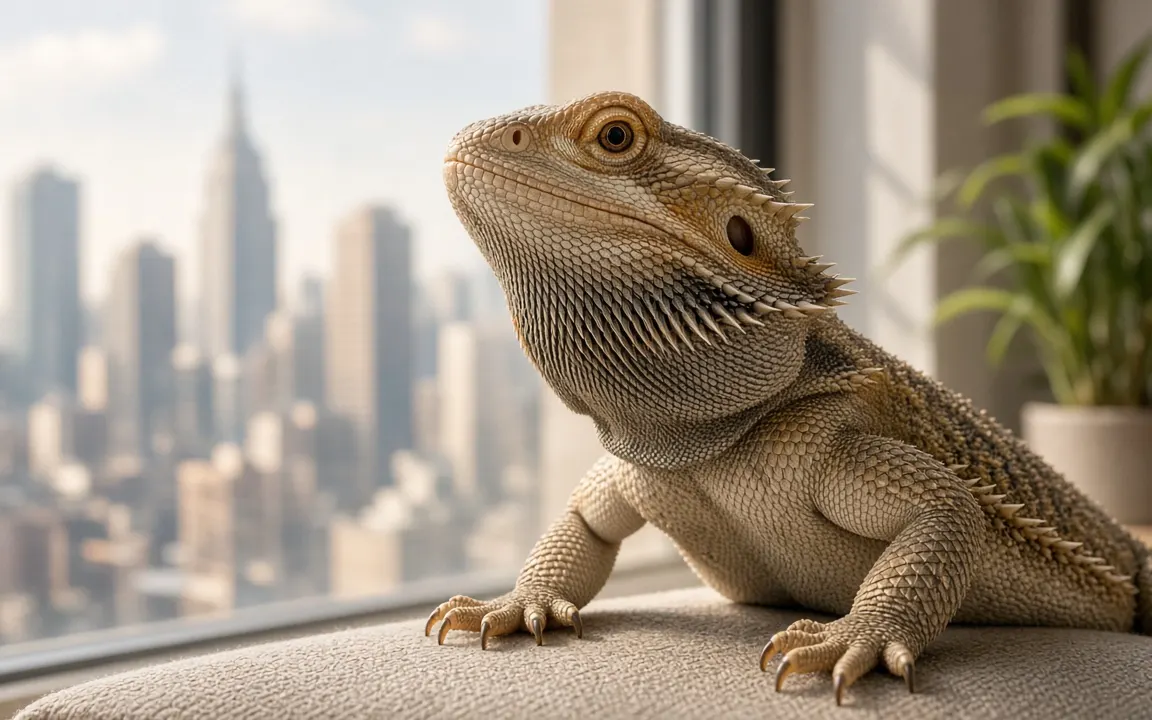
Niigata, Japan
Finding reptile-savvy help in Niigata
Niigata's winters are grey and snowy, with cold winds off the Sea of Japan, though the city itself gets far less snow than the mountains inland. In winter a cool room gives you some time if your pet dies at home, but keep the body away from heaters. In summer, which is hot and humid, use wrapped ice packs and arrange cremation within a day or two.
Niigata sits where the Shinano River, Japan's longest, meets the Sea of Japan, with flat rice country stretching inland and Sado Island visible offshore on clear days. Many families live in detached houses, but snow, a high water table and neighbourhood customs make burying a pet at home uncommon. Home collection and an individual cremation where the family gathers the bones is the usual approach.
Plenty of keepers in Niigata don't own a car, which makes getting a body to a vet the first puzzle. A small reptile in a sealed, opaque tub can travel by taxi or rideshare discreetly, though it's courteous to tell the driver. For anything larger, a home collection earns its fee. Ask whether the provider charges by distance or a flat rate across the city.
Niigata is home to about 810,000 people.
Nearby, we also have local pages for Sendai (103 miles) and Saitama (146 miles), which can help if your vet or the provider you prefer is based there.
99.97%[1]
In 2023, 99.97% of deaths in Japan were cremated (1364 crematoria).
6 million[2]
About 6 million US households keep reptiles.
700,000[3]
There are about 700,000 pet tortoises and turtles in the UK (1.6% of households).
3-5% of body weight[4]
Embrace notes cremated remains typically weigh about 3-5% of the pet's original body weight.
The numbers above come from American Pet Products Association (APPA) 2025 National Pet Owners Survey release and UK Pet Food (formerly PFMA) Pet Population 2026, if you'd like to read the original sources.
What local cremation culture means for keepers
Roughly 99.97%[1] of deaths in Japan end in cremation, so many families already have an urn or two at home. That shapes what keepers here tend to do: a reptile's ashes often join a shelf of family keepsakes rather than a garden plot. If that's your plan, a small container that matches the others looks more settled than a separate display.
The Japan percentage above is from Cremation Society of Great Britain, International Cremation Statistics 2023 (2023) and refers to human funerals. Treat it as context for Niigata, not as a count of pets.
What Niigata's climate means for aftercare
Local weather matters for reptiles in two ways: how stable your vivarium stays through heat waves, cold snaps and power cuts, and whether burying outdoors is practical. A provider serving Niigata will know the seasons well, so ask what they'd suggest at this time of year for a reptile the size of yours.
Budgeting for a snake, lizard or tortoise in Niigata
One Tokyo pet memorial park charges JPY 14,300 for communal and JPY 22,000 for individual cremation for pets lighter than 5 kg[5], a band that covers almost any pet reptile. Many Japanese providers also offer a witnessed service at a higher price. Ask providers in Niigata which tier includes the return of the ashes.
The Japan price table breaks costs down by size; our services page explains what sits behind each line.

Free tool
Cremation cost calculator
Estimate a realistic price range for your pet's size, location and the type of cremation.
Before you bury or scatter in Japan
Rules on pet burial and ashes are set locally, and Japan is no exception. For reptiles, one extra point matters: never bury one in a pot you'll bring indoors or near a vegetable bed, because Salmonella can linger in soil. Beyond that, the general rules for pets in your area apply.
In Japan, pet funerals are an established tradition, often with a short ceremony and the option of a temple columbarium, and many pet funeral halls accept reptiles. Ask whether the ashes are returned rather than assuming it. Some pet turtles are covered by invasive species rules, so never release a turtle, living or dead, into a river or pond.
A plan for the next few days
- Take a breath. With the body chilled and sealed, the rest can wait until tomorrow.
- Confirm with a vet whenever deep torpor, cold shock or brumation could explain what you're seeing.
- Wash everything the body touched with hot, soapy water, then disinfect, and wash your hands well.
- Compare two quotes for private cremation if you have time; minimum fees for small pets vary a lot.
- Ask three questions: are reptiles routine for them, what keeps a tiny body apart in the chamber, and roughly what ash quantity comes back.
- Plan where the ashes will go, whether that's a locket small enough for a gecko or a proper urn for a tortoise. Use the ashes weight estimator to get the size right.
Honoring a long, quiet bond
Niigata families spend time along the Shinano River embankments, in the pine woods along the coast and in the parks of the city, but through the snowy months most pets here live indoors. Many families keep the bones at home in an urn for a while before deciding on anything permanent. Ask whether the cremation will be for your pet alone and whether the family may gather the bones.
See what each option includes on our services page, look through our guides and the blog, run the numbers with the free planning tools, or see what other families chose in the poll results. the full list for Japan and for Japan is a click away.

Reader polls
What would you choose?
Vote anonymously and see how other readers answered. The results are live counts from people who visit this site, so they show real opinions, not a scientific sample.
What did you do with the enclosure after your reptile died?
Tap an answer to vote and see how others answered. Anonymous.
When your reptile seemed to have died, how sure were you at first?
Tap an answer to vote and see how others answered. Anonymous.
If you had to decide today, which aftercare would you choose for your pet?
Tap an answer to vote and see how others answered. Anonymous.

Free tools to help you plan
Cremation cost calculator
Estimate a realistic price range for your pet's size, location and the type of cremation.

Ashes weight estimator
See roughly how much ash to expect back, by species and body weight.

Pet age & senior years calculator
Convert your pet's age and see when senior-care and planning conversations usually start.
Questions people ask
Can a provider from a neighbouring town collect from Niigata?
Usually yes. Sendai is about 103 miles away and Saitama is about 146 miles away, all inside a normal collection radius. Get the mileage written into the quote so there is no surprise on the day.
Is cremation common in Japan?
For people, yes: about 99.97%[1] of Japan deaths end in cremation, according to Cremation Society of Great Britain, International Cremation Statistics 2023 (2023). Nobody publishes the same figure for pets, but in our experience pet choices in Niigata follow the human pattern closely, so cremation is the default most families here start from.
Can I keep my reptile's shed skin as a keepsake?
Yes, and many keepers do. A clean, complete shed shows every scale and marking. Handle it with gloves, let it dry fully and store it flat in a sealed frame or display box away from damp. Turtles that shed their scutes leave small translucent plates that fit neatly in a locket.
My reptile died within its first year. Is that common?
It's less common than some claims suggest. A peer-reviewed University of Kent survey found only 3.6%[7] of pet snakes, chelonians and lizards died within their first year, though rates varied by species, with chameleons highest. If your reptile died young, a vet can help you understand why, which may protect any others you keep.
Can I take my reptile's ashes with me to another country?
Usually yes. Pet ashes are generally allowed through customs and on flights, but check the airline's rules and carry the cremation certificate. A tortoise shell is different: if the species is protected under wildlife-trade rules, moving the shell across a border can need a permit, so keep any paperwork that came with your tortoise and ask before you travel.
Are there exotics vets open at night in Niigata?
Larger cities often have at least one emergency hospital that sees exotics, but not every overnight clinic does. Phone before you drive and ask specifically about reptiles. If your reptile has clearly died, there's usually no need for an emergency visit: seal it in a tub in the fridge and call an exotics vet in the morning.


Sources and our estimates
- [1] In 2023, 99.97% of deaths in Japan were cremated (1364 crematoria). Cremation Society of Great Britain, International Cremation Statistics 2023, 2023.
- [2] About 6 million US households keep reptiles. American Pet Products Association (APPA) 2025 National Pet Owners Survey release, 2025.
- [3] There are about 700,000 pet tortoises and turtles in the UK (1.6% of households). UK Pet Food (formerly PFMA) Pet Population 2026, 2026.
- [4] Embrace notes cremated remains typically weigh about 3-5% of the pet's original body weight. Embrace Pet Insurance - Bury or Cremate Your Dog? Costs, Pros & Cons, 2025.
- [5] Tokyo Animal Memorial Park charges JPY 14,300 for communal and JPY 22,000 for individual cremation of a pet under 5 kg (tax incl.). Tokyo Animal Memorial Park (東京動物霊園) - Price list, 2026.
- [6] Published ashes-return times across the network's markets range from same-day (paid express) to about 4 weeks; a conservative typical window is 3-14 days. Our estimate: min/max across sources: Lambeth 3 days; US 5-10 days; RSPCA QLD within 14 days; AniCura Sweden 2-4 weeks. How we calculate.
- [7] A University of Kent survey found only 3.6% of pet snakes, chelonians and lizards died within one year of acquisition; boas and pythons had the lowest mortality (1.9%) and chameleons the highest (28.2%). Robinson JE, St John FA, Griffiths RA, Roberts DL. Captive Reptile Mortality Rates in the Home and Implications for the Wildlife Trade. PLoS One, 2015 (PMID 26556237), 2015.
Tell us about your reptile
Tell us what you need and where you are. We'll reply by email with clear options and prices so you can decide in your own time.