Reptile Cremation in New Zealand
Whether your reptile is a gecko or a 70-pound tortoise, you have time to get this right. Here's how to confirm death, what cremation costs in New Zealand and how to find a provider used to reptiles.
- Confirm death before anything is decided
- Providers in New Zealand that accept reptiles
- Written prices by size, by email
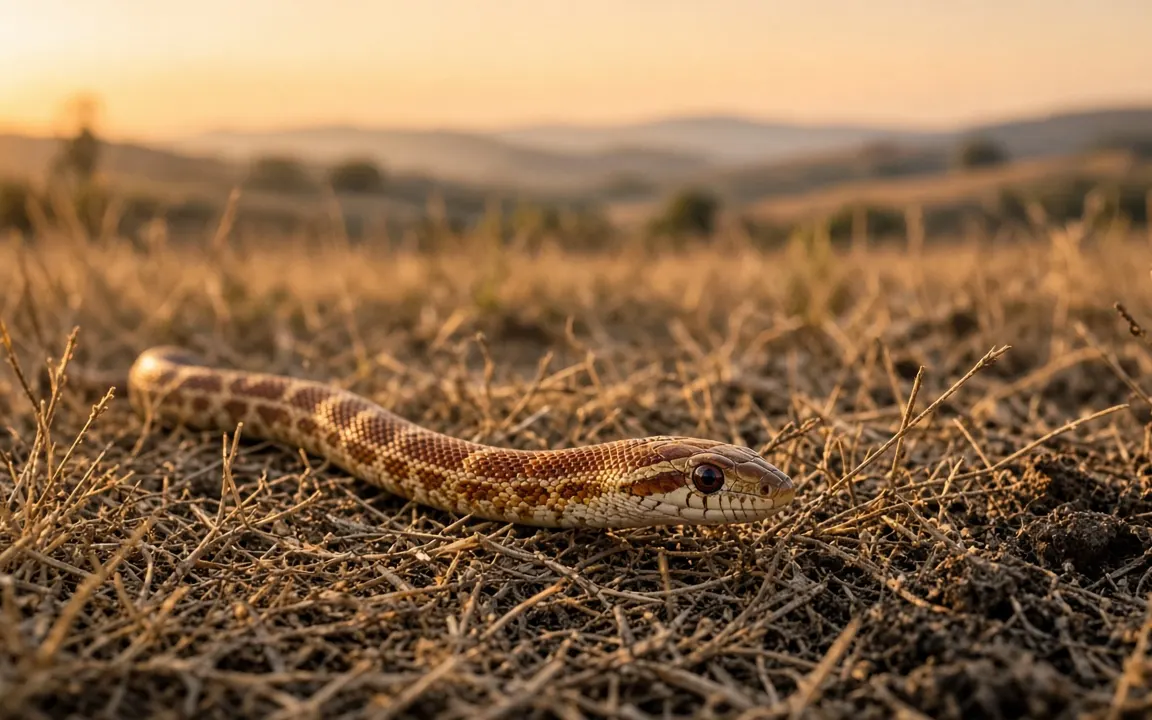
New Zealand
Reptile Cremation in New Zealand: what to know
Reptiles in New Zealand range from geckos under 100 grams to tortoises that outweigh a Labrador, and aftercare has to fit both. Below you'll find what cremation typically costs, the rules worth knowing and every community we cover in New Zealand, currently 4, each with local weather and timing notes.
Rules about which reptiles may be kept, and what paperwork goes with them, differ across New Zealand. That paperwork can matter after a death too, especially for protected tortoises and licensed species. This page covers costs and the rules on burial and ashes, and each city page, from Auckland, Christchurch and Wellington outward, adds local detail.
We cover 4 communities in New Zealand, from Auckland, Christchurch and Wellington to smaller towns.

Browse New Zealand by region
Pick your state or region to see every community we cover there, or jump straight to one of the largest cities.
Cremation customs in New Zealand, applied to reptiles
New Zealand splits its funerals between burial and cremation, with cremation at 69%[1]. Pet cemeteries and pet crematories often work side by side there, and some offer a third route: burying cremated remains in a small plot. For a reptile that is a middle path, with a place to visit and no worry about a future house move.
The Spinoff, citing FDANZ 2023 Funeral Industry Trends Report (2023) publishes the New Zealand rate we quote. Read it as the local custom around cremation rather than as pet data.
Budgeting for a snake, lizard or tortoise in New Zealand
About 3%[2] of Australian households keep reptiles, mostly native species kept under state licences, so crematories in the larger centres are used to pythons, dragons and turtles. Listed price ranges vary widely between states[3], so the size band and what's included matter more than the headline number in New Zealand.
RSPCA Queensland memorial packages with individual cremation start from AUD 250, with the ashes back within 14 days[4]. That's a useful benchmark for New Zealand, because a charity's small-pet price is often below a private crematorium's. Ask whether the package suits a reptile as small as yours, and what the urn looks like.
| Place and size | Individual | Communal |
|---|---|---|
| Australia, pets up to 5 kg (median) | about AUD 412 | from about AUD 80 |
| Australia, range for pets up to 5 kg | AUD 295 to 612 | n/a |
| New Zealand (Auckland), pets 2 to 7 kg | NZD 305 | NZD 55 |
| Source | Provider price surveys and published lists, 2026 | Nearly all pet reptiles are under 5 kg |

Free tool
Cremation cost calculator
Estimate a realistic price range for your pet's size, location and the type of cremation.
Local rules in New Zealand
Most decisions after a reptile dies are yours to make. The exceptions are burial, scattering and anything involving a regulated species. Some reptiles are covered by wildlife-trade or invasive-species rules, which can affect selling or giving away a shell and mean a sick or dead reptile should never be released or dumped outdoors. Everything else follows the general pet rules for New Zealand.
In New Zealand, most pet reptiles are turtles, with native geckos and skinks kept only under specific permits because they're protected. If you keep a native reptile, check your permit conditions before burial or cremation. Councils set home burial rules, and many urban sections are too small for it, so cremation through a vet is common.
A plan for the next few days
- Tell your child simply and honestly that their gecko or turtle has died. Phrases like "gone to sleep" can make bedtime frightening.
- Let an adult do all the handling, gloves on. The CDC says children younger than five should be kept away from reptiles and the places they live, because of Salmonella.
- Offer a way to say goodbye without touching: a drawing for the box, a short note or a favorite photo.
- Let them help choose whether the ashes come home or the pet is buried in the garden. What counts is that their opinion was wanted.
- Save something they can hold, perhaps a shed skin behind glass or a single scute inside a little locket.
- Wash hands together afterwards, then disinfect everything the reptile came into contact with before the tank gets a new occupant.
Sheds, shells and keepsakes
Some New Zealand keepers turn part of the old enclosure into a memorial, keeping a favorite hide, a branch or the name plate. Others donate the vivarium, lamps and thermostats to a reptile rescue once they're ready, which quietly helps another animal. There's no right time; wait until the empty tank stops hurting quite so much.
The services page compares what each option includes, the planning tools turn your animal's details into figures, and the poll results show what other families chose. All locations lists every region we cover.

Reader polls
What would you choose?
Vote anonymously and see how other readers answered. The results are live counts from people who visit this site, so they show real opinions, not a scientific sample.
What did you do with the enclosure after your reptile died?
Tap an answer to vote and see how others answered. Anonymous.
Have you ever kept a shed skin, scute or photo of your reptile's markings as a keepsake?
Tap an answer to vote and see how others answered. Anonymous.
If you had to decide today, which aftercare would you choose for your pet?
Tap an answer to vote and see how others answered. Anonymous.

Free tools to help you plan
Cremation cost calculator
Estimate a realistic price range for your pet's size, location and the type of cremation.

Ashes weight estimator
See roughly how much ash to expect back, by species and body weight.

Pet age & senior years calculator
Convert your pet's age and see when senior-care and planning conversations usually start.
Questions people ask
Is cremation common in New Zealand?
For people, about 69%[1] of deaths in New Zealand end in cremation, and pet aftercare tends to follow local habits. Among reptile keepers, cremation is common for long-lived animals like tortoises and for anyone without a garden, while small lizards and turtles are still often buried at home.
How can I be sure my reptile was cremated on its own in New Zealand?
Ask for the promise in writing. A good provider will state which type of cremation you're paying for, how a small body is tracked from pickup to return and what kind of certificate you'll receive. Some let you be present or drop your reptile off yourself. Vague answers to these questions are a reason to look elsewhere.
Can I release a sick reptile or dispose of a body outdoors in New Zealand?
Please don't. Releasing a pet reptile can harm local wildlife, and some species are covered by invasive-species rules that make release illegal. Disposing of a body in the open can spread Salmonella and attract scavengers. If you can no longer care for a living reptile, contact a reptile rescue; for a body, choose cremation or a proper burial.
How long does it take to get a reptile's ashes back in New Zealand?
Many families receive ashes within one to two weeks. In large cities it can be faster; in rural areas where the crematory collects from vets on set days, it may take a little longer. Ask for an expected return date when you book, and whether the ashes come by post or for collection.
Is it hard to find a reptile vet in New Zealand?
It depends where you are. Larger cities such as Auckland, Christchurch and Wellington usually have at least one exotics practice, while smaller towns may rely on general vets. Any vet can confirm death and arrange cremation, but for a living reptile that's unwell, a reptile-experienced vet is worth the drive. Save a number before you need it.
Do vets in New Zealand offer home euthanasia for reptiles?
Some do, mostly mobile vets working around larger cities such as Auckland, Christchurch and Wellington. Because sedation differs between a snake, a lizard and a tortoise, ask how often the vet does this for your species and who transports the body afterwards. Where no home service exists, booking the first or last slot of the clinic day keeps things quiet.

Sources and our estimates
- [1] 69% of bodies in New Zealand were cremated in 2023, per the Funeral Directors Association of NZ. The Spinoff, citing FDANZ 2023 Funeral Industry Trends Report, 2023.
- [2] 3% of Australian households keep reptiles. Animal Medicines Australia, Pets in Australia 2025 (media release), 2025.
- [3] Australian listed cremation price ranges vary by state: NSW AUD 150-1,824, VIC AUD 199-749, QLD AUD 165-3,670, WA AUD 175-750, SA AUD 400-1,980. Pet Farewell (Australia) - Pet Cremation Cost Australia (2026), 2026.
- [4] RSPCA Queensland's Pets at Rest memorial packages (individual cremation) start from AUD 250, with the memorial returned within 14 days. RSPCA Queensland - Pet cremation (RSPCA Pets at Rest), 2025.
- [5] If Jonathan the tortoise hatched in 1832, he is about 194 years old in 2026. Our estimate: 2026 - 1832. How we calculate.
Find a New Zealand provider that accepts reptiles
Tell us what you need and where you are. We'll reply by email with clear options and prices so you can decide in your own time.