Arranging reptile aftercare in Flagstaff
Losing a reptile you've cared for over many years is hard, and people don't always understand. We explain the Flagstaff options plainly and can send prices from providers that accept reptiles.
- Safe handling and Salmonella tips
- Private or communal, explained simply
- Help with large snakes and heavy tortoises
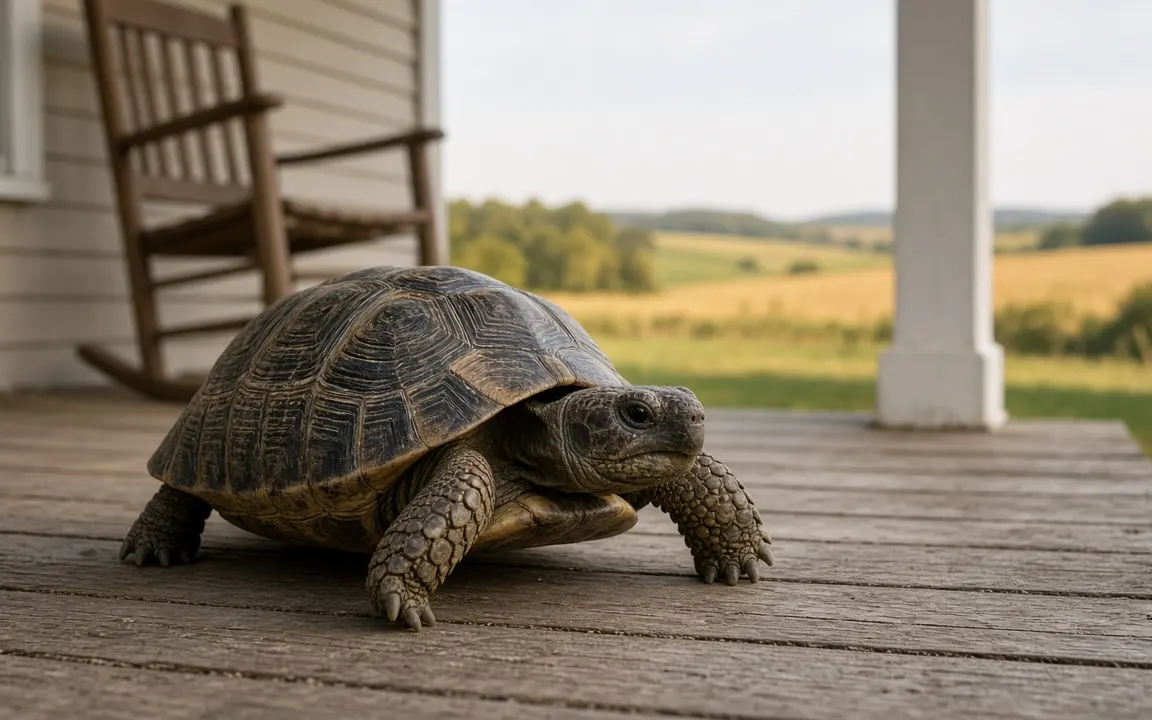
Flagstaff, Arizona
Getting reptile aftercare sorted in Flagstaff
Flagstaff sits at about 7,000 feet among ponderosa pines at the foot of the San Francisco Peaks, some 145 miles north of Phoenix. It's the Coconino County seat and a university town, with students, faculty and outdoor workers mixed in with longtime families. Many homes are out in forested subdivisions like Doney Park or Kachina Village, where snowy roads can slow any trip, so mention your area when asking about collection.
Buffalo Park, the Flagstaff Urban Trail System and the forest roads around Mount Elden are where many local pets spent their happiest hours. When the time comes to think about ashes, those places often come first. Much of the land around the city is Coconino National Forest, and if you scatter there, pick a spot off the main trail, away from streams, and leave nothing behind.
In a smaller place like Flagstaff, the nearest vet who really knows reptiles may be an hour or more away, often in a larger centre such as Flagstaff. Your local vet can still help: any vet can confirm death with a stethoscope or Doppler, keep your reptile refrigerated and send it to the crematory they use for cats and dogs. Call them first and mention the species.
About 77,260 people live in Flagstaff, which makes it the 17th-largest of the 29 Arizona communities we cover.
The closest communities we cover are Sedona (24 miles), Prescott Valley (56 miles) and Prescott (62 miles). Providers serving those towns often travel to Flagstaff too, so it can be worth asking them for a quote.
80.7%[1]
The NFDA projected Arizona's cremation rate at 80.7% for 2024.
6 million[2]
About 6 million US households keep reptiles.
700,000[3]
There are about 700,000 pet tortoises and turtles in the UK (1.6% of households).
3-5% of body weight[4]
Embrace notes cremated remains typically weigh about 3-5% of the pet's original body weight.
None of the figures on this this page are ours alone: they rest on American Pet Products Association (APPA) 2025 National Pet Owners Survey release and UK Pet Food (formerly PFMA) Pet Population 2026.
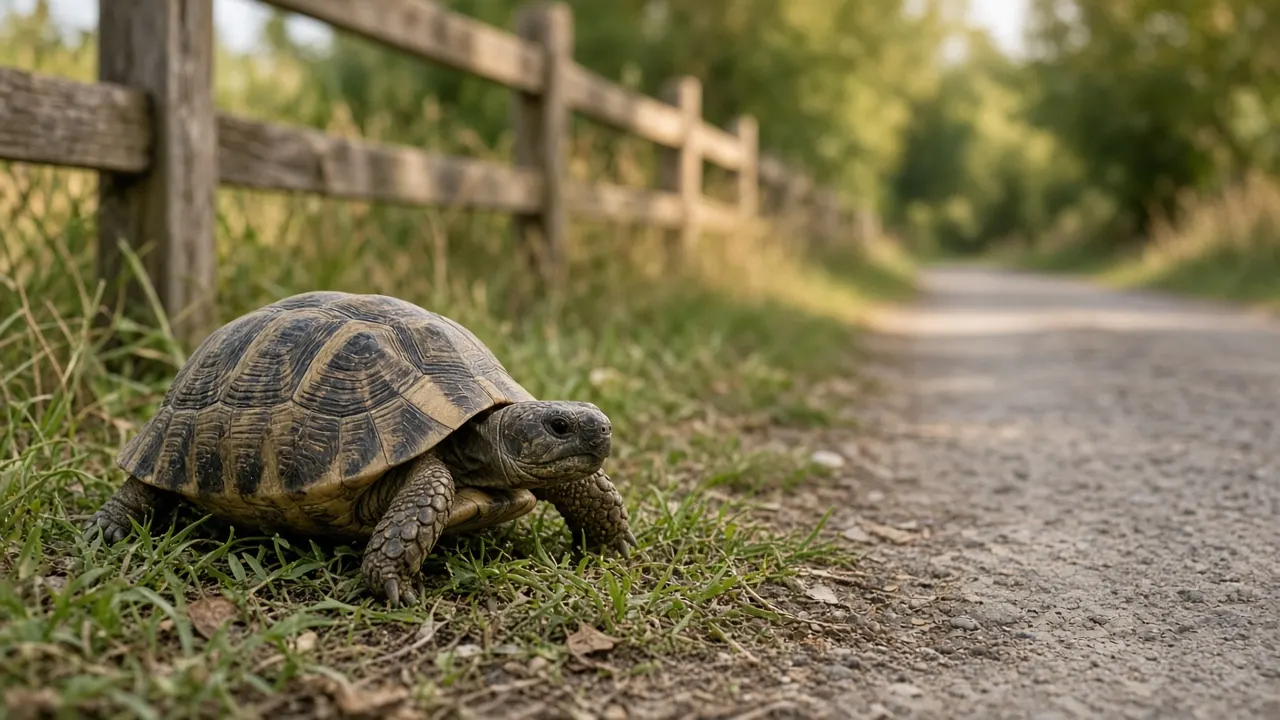
How Arizona thinks about cremation
With about 80.7%[1] of people in Arizona cremated, pet crematories here tend to be busy and competitive. For a reptile that usually means a choice of providers and fair minimum fees. It doesn't mean every one of them is used to a tortoise shell or a 12-foot python, so ask about your species before you agree to anything.
We take the Arizona rate from NFDA 2024 Cremation & Burial Report state projections (via Occasional Sage) (2024). It is a human statistic; there is no equivalent pet figure for Flagstaff, and we would rather show a real number than invent one.
Heat, cold and power cuts in Flagstaff
Space heaters come out in January, February, March, April, October, November and December, and many reptile rooms lean on them. A stuck thermostat can overheat a small enclosure fast. If your reptile died near a heater, ask the vet to look for burns, and check the thermostat and wiring before any other animal goes back in that room.
Winter power cuts are a real danger for reptiles in Flagstaff. If heat mats and lamps fail on a December night, when lows average about 17°F, a vivarium can cool quickly. A reptile found chilled and still afterwards may be alive but torpid. Warm the room gradually, avoid hot water or direct heat, and call a vet before deciding anything.
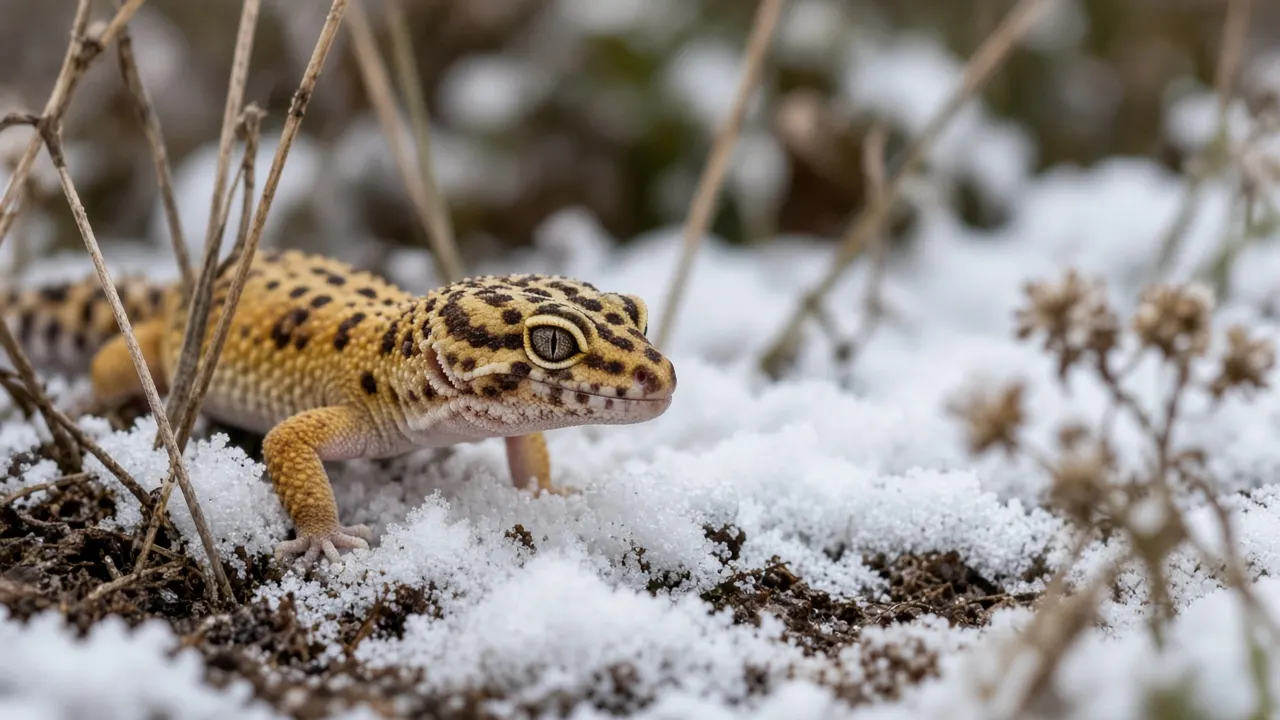
Reptile cremation prices in Flagstaff
Rush service is where Flagstaff bills jump. A 24-hour turnaround typically adds $50 to $150[5], and by our estimate weekend rush at one provider costs six times its weekday fee[6]. For a reptile safely refrigerated, the standard slot, about a week in many places, costs nothing extra.
We keep the detailed Arizona price table on one page so it stays current: see Arizona prices.

Free tool
Cremation cost calculator
Estimate a realistic price range for your pet's size, location and the type of cremation.
Burial, scattering and protected species in Arizona
Cremating a reptile needs no permit, but what happens around it can be regulated in Arizona: burying on your own land, scattering ashes and, for some species, what you may do with the body or the shell. It pays to know the basics before you decide. If your reptile needed a permit to keep, check that permit's conditions too.
To find your county or city office in Arizona, start with the official Arizona local government directory.
The Arizona page sets out who oversees pet cremation and what the state says about burial and scattering. Flagstaff's own bylaws can sit on top of that, so ask before you dig.
A plan for the next few days
- Note what happened. Check the enclosure temperatures; if there was a power cut or heating failure, tell your vet, especially if you keep other reptiles.
- Look gently for signs of life at normal temperature: a tongue flick, an eye response, a slow breath. Then call a vet to confirm.
- Handle with gloves, and use tongs near the head if the species is venomous. A bite reflex can remain after death.
- Store the body cold in a sealed tub, double-bagged, once death is confirmed.
- Tell the provider about the shell or the size ahead of pickup. Keeping a tortoise shell is possible, but the decision has to come before the cremation, not after.
- Keep a shed or scute if there is one to save: let it dry, then lay it flat behind glass.
- Give yourself time. A dark, silent vivarium is a hard thing to walk past, and it can stay up as long as you need.
Honoring a long, quiet bond
Flagstaff has genuine winters. Nights freeze for most of the year, snow can stay on the ground for weeks, and the soil is often frozen or buried from November into March, so backyard burial is usually on hold until spring. The cold does make it easier to keep a pet's body at home for a day while the family decides. Summer brings monsoon storms and, in dry years, wildfire closures on nearby forest land.
browse in-depth guides or recent articles, Every option Flagstaff families choose between is on the services page, or see how other readers answered in our polls, use the free tools before you ring anyone. You can also browse every city in the United States. Nearby, we also cover Gilbert, Chandler, Glendale and Tucson, and every city in Arizona.

Reader polls
What would you choose?
Vote anonymously and see how other readers answered. The results are live counts from people who visit this site, so they show real opinions, not a scientific sample.
What did you do with the enclosure after your reptile died?
Tap an answer to vote and see how others answered. Anonymous.
For a small lizard or gecko, would you still choose private cremation knowing only a pinch of ash may come back?
Tap an answer to vote and see how others answered. Anonymous.
If you had to decide today, which aftercare would you choose for your pet?
Tap an answer to vote and see how others answered. Anonymous.

Free tools to help you plan
Cremation cost calculator
Estimate a realistic price range for your pet's size, location and the type of cremation.
Ashes weight estimator
See roughly how much ash to expect back, by species and body weight.

Pet age & senior years calculator
Convert your pet's age and see when senior-care and planning conversations usually start.
Questions people ask
Can a provider from a neighbouring town collect from Flagstaff?
Usually yes. Sedona is about 24 miles away, Prescott Valley is about 56 miles away and Prescott is about 62 miles away, all inside a normal collection radius. Get the mileage written into the quote so there is no surprise on the day.
Is cremation common in Arizona?
For people, yes: about 80.7%[1] of Arizona deaths end in cremation, according to NFDA 2024 Cremation & Burial Report state projections (via Occasional Sage) (2024). Nobody publishes the same figure for pets, but in our experience pet choices in Flagstaff follow the human pattern closely, so cremation is the default most families here start from.
When is the hardest time of year to arrange a burial in Flagstaff?
January, February, March, April, October, November and December: average lows are below freezing then, and frozen ground makes a home grave slow or impossible until it thaws. The other pressure point is July, when highs around 82°F mean a body needs cooling and collecting quickly.
How many households keep reptiles in the US?
About 6 million[2] US households keep reptiles, according to the American Pet Products Association, and 43%[8] of those keep turtles or tortoises. That's a large community, which is why most crematories near Flagstaff will have cremated reptiles before, even if not often. It's still worth asking how many they see and how they keep small bodies separate.
What if my outdoor tortoise is found cold and still in Flagstaff?
Don't assume it has died. A tortoise caught out by a cold night can become deeply torpid. Move it somewhere sheltered, let it warm gradually to its normal temperature without hot water or direct heat, and call a reptile vet. Only once death is confirmed should you think about freezing, burial or cremation.
Will a crematory near Flagstaff accept a snake?
Most pet crematories will cremate a snake, but experience varies. Give the species, weight and length when you call. A long python may need to be coiled into a container that fits the chamber door, and a few smaller operations have a size limit. Ask how often they handle snakes and whether the cremation is private.


Sources and our estimates
- [1] The NFDA projected Arizona's cremation rate at 80.7% for 2024. NFDA 2024 Cremation & Burial Report state projections (via Occasional Sage), 2024.
- [2] About 6 million US households keep reptiles. American Pet Products Association (APPA) 2025 National Pet Owners Survey release, 2025.
- [3] There are about 700,000 pet tortoises and turtles in the UK (1.6% of households). UK Pet Food (formerly PFMA) Pet Population 2026, 2026.
- [4] Embrace notes cremated remains typically weigh about 3-5% of the pet's original body weight. Embrace Pet Insurance - Bury or Cremate Your Dog? Costs, Pros & Cons, 2025.
- [5] Rush 24-hour pet cremation typically adds $50–$150; standard turnaround is about 7 days. Memorials.com – Pet Cremation Cost Guide 2026, 2026.
- [6] Weekend rush cremation costs 6 times the weekday rush fee at one North Carolina provider. Our estimate: $300 / $50. How we calculate.
- [7] Published ashes-return times across the network's markets range from same-day (paid express) to about 4 weeks; a conservative typical window is 3-14 days. Our estimate: min/max across sources: Lambeth 3 days; US 5-10 days; RSPCA QLD within 14 days; AniCura Sweden 2-4 weeks. How we calculate.
- [8] Among US reptile-owning households, 43% keep turtles or tortoises and 22% keep snakes. American Pet Products Association (APPA) 2025 National Pet Owners Survey release, 2025.
Get reptile cremation options in Flagstaff
Tell us what you need and where you are. We'll reply by email with clear options and prices so you can decide in your own time.