Reptile cremation in Covina
A cold or brumating reptile can look lifeless, so the first step is a vet check. After that, this page walks through Covina prices, timing, local rules and keepsakes.
- Confirm death before anything is decided
- Providers in Covina that accept reptiles
- Written prices by size, by email
Covina, California
Reptile aftercare in Covina: the local picture
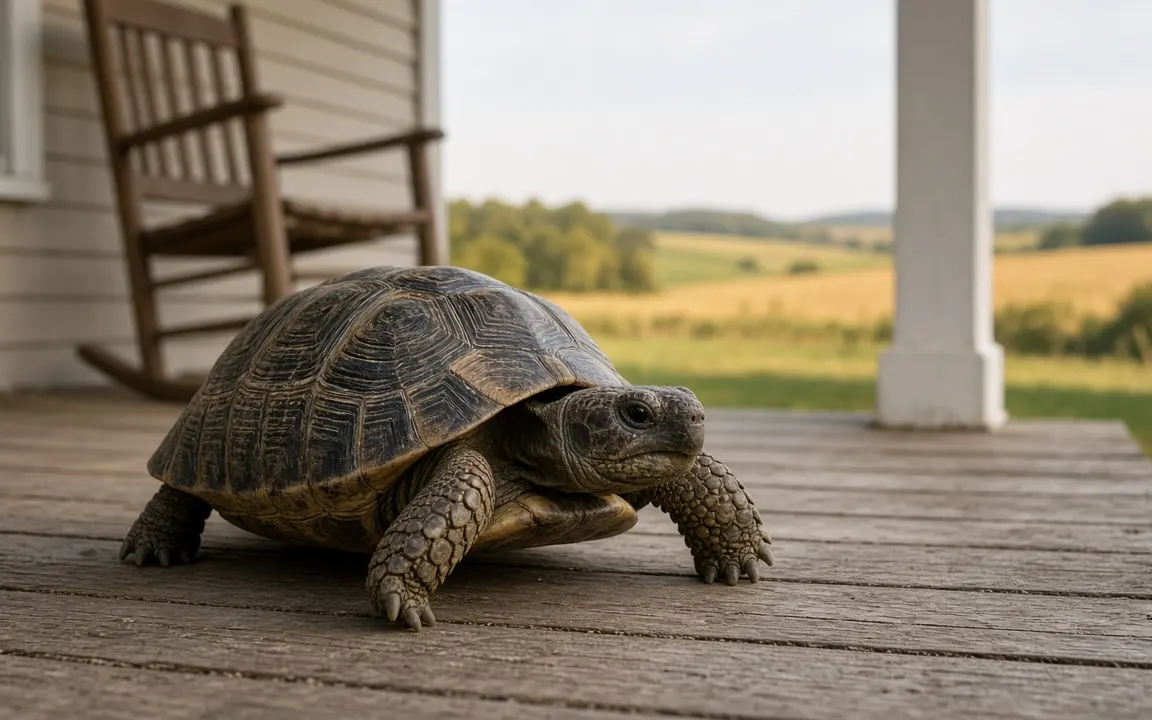
Covina was built on citrus, and some older neighborhoods still have backyards with orange or lemon trees planted decades ago. Many pets here spent their days in those yards, stretched out in the shade or watching the street from a front porch. Families often keep ashes at home or add a small marker beneath a favorite tree, a fitting nod to the city's orchard past.
Covina is a San Gabriel Valley city about 17 miles from Anaheim, with a historic downtown along Citrus Avenue, tree-lined streets of mid-century homes and apartment complexes near the 10 freeway. Collection is usually straightforward, but it helps to mention whether you live in a house or apartment, how parking works and whether you would rather bring your pet in yourself or have them collected from home.
If you keep reptiles near Covina under a wildlife or exotic animal permit, check whether your permit asks you to record a death or show how the body was dealt with. Requirements vary by place and species, so we don't list them here. A written cremation certificate from the provider is easy to ask for and covers most record-keeping needs.
Covina is home to about 49,404 people, the 164th-largest of the 307 California communities we cover. The nearest larger centre is Anaheim, about 17 miles (28 km) away, which is where some providers serving Covina are based.
For a second opinion on price, West Covina (3 miles, a larger centre), Azusa (4 miles) and Walnut (4 miles) are close enough that their providers cover Covina routinely. Two written quotes tell you more than any price list.
70.5%[1]
The NFDA projected California's cremation rate at 70.5% for 2024.
6 million[2]
About 6 million US households keep reptiles.
700,000[3]
There are about 700,000 pet tortoises and turtles in the UK (1.6% of households).
3-5% of body weight[4]
Embrace notes cremated remains typically weigh about 3-5% of the pet's original body weight.
To check the figures yourself, see Embrace Pet Insurance and UK Pet Food (formerly PFMA) Pet Population 2026.
Cremation habits in California and your reptile
With about 70.5%[1] of people in California cremated, pet crematories here tend to be busy and competitive. For a reptile that usually means a choice of providers and fair minimum fees. It doesn't mean every one of them is used to a tortoise shell or a 12-foot python, so ask about your species before you agree to anything.
For the California figure we rely on NFDA 2024 Cremation & Burial Report state projections (via Occasional Sage) (2024). Read it as a picture of local custom around death and remembrance in Covina rather than as pet data.
What Covina's climate means for aftercare
Heat waves bring a risk that's easy to forget: power cuts. When the air conditioning stops during a July, August and September outage, a reptile room can climb far past safe temperatures within hours, especially glass tanks near a sunny window. If you lose a reptile this way, tell your vet it was heat, so they can advise on any others in the same room.
Many keepers in Covina rely on air conditioning to keep a reptile room safe through July, August and September. If you come home to a silent unit and a motionless lizard, cool the room gradually rather than dunking the animal in cold water, which can shock a live reptile. It goes into a sealed tub and the fridge only after a vet confirms death.
How much to budget in Covina, by size
Small pets pay the most per pound. By our estimate, private cremation works out at roughly $9 a pound for a 15 lb pet and about $4 a pound at 60 lb[5]. A 1 lb bearded dragon in Covina usually pays the same minimum as that 15 lb pet, so the number worth comparing is each provider's lowest private price.
The California price table breaks costs down by size; our services page explains what sits behind each line.

Free tool
Cremation cost calculator
Estimate a realistic price range for your pet's size, location and the type of cremation.
Burial, scattering and protected species in California
Some places license venomous snakes, large constrictors or crocodilians separately from ordinary pets. If yours was covered in California, the permit office may want to hear that it has died, and any crematory will want the species named before it arrives. A dated cremation certificate satisfies most requests of this kind.
California keeps an official directory of local governments; use it to reach the county or city office that covers Covina.
For California's rules on burying a pet at home or scattering ashes, see the California guide. Local rules in Covina can be stricter than the state's, especially in homeowners' associations and rentals.
The first 48 hours with a reptile, step by step
- Leave the heating as it is for a moment and write down the basking-spot and cool-end readings. They are the first clue your vet will ask about.
- Watch before you touch. Spend a whole minute watching the throat and sides for any slow breathing, and check for sunken eyes or stiffness in the body.
- Lift your reptile out with gloved hands and settle it on a fresh towel inside a low box, then leave it at room temperature until a qualified person has examined it.
- Ring the clinic as soon as it opens and ask for a same-day slot. Name the species so they book a vet who is comfortable with reptiles.
- Once death is confirmed, let the calendar decide storage: a collection in the next two days means the fridge; a longer wait means the freezer.
- Ask for a written quote that lists the species, the weight and whether ashes are coming home. For a rough number before you call, try our cost calculator.
- Strip and disinfect the enclosure last, once the body has been collected, rather than tackling two hard jobs in the same hour.
Sheds, shells and keepsakes
Covina sits in the middle of the valley floor, away from both the coast and the foothills, so August afternoons regularly reach the low 90s and the heat lingers into the evening. If your pet dies at home on a day like that, the kitchen or bathroom tiles are usually the coolest surface in the house. Rest your pet there on an old sheet, with a bag of ice wrapped in a towel against the belly, and call for collection that day.
use the free tools before you ring anyone, or compare your instinct with the poll results, Every option Covina families choose between is on the services page, read our guides and latest articles. Close to Covina we also cover Fresno, San Diego, Sacramento and Los Angeles; the full list for California and for the United States is a click away.

Reader polls
What would you choose?
Vote anonymously and see how other readers answered. The results are live counts from people who visit this site, so they show real opinions, not a scientific sample.
When your reptile seemed to have died, how sure were you at first?
Tap an answer to vote and see how others answered. Anonymous.
Have you ever kept a shed skin, scute or photo of your reptile's markings as a keepsake?
Tap an answer to vote and see how others answered. Anonymous.
If you had to decide today, which aftercare would you choose for your pet?
Tap an answer to vote and see how others answered. Anonymous.

Free tools to help you plan
Cremation cost calculator
Estimate a realistic price range for your pet's size, location and the type of cremation.
Ashes weight estimator
See roughly how much ash to expect back, by species and body weight.

Pet age & senior years calculator
Convert your pet's age and see when senior-care and planning conversations usually start.
Questions people ask
How does Covina's weather affect reptile aftercare?
August is the hottest month in Covina, with average highs around 91°F, so prompt collection matters most then. Winters are mild, with average lows staying above freezing, so outdoor burial or scattering is usually possible year round.
Is cremation common in California?
For people, yes: about 70.5%[1] of California deaths end in cremation, according to NFDA 2024 Cremation & Burial Report state projections (via Occasional Sage) (2024). Nobody publishes the same figure for pets, but in our experience pet choices in Covina follow the human pattern closely, so cremation is the default most families here start from.
Will I have to travel to Anaheim to arrange things?
Not usually. Providers based in Anaheim (roughly 17 miles from Covina) collect from here as a matter of routine, and the paperwork is done by email or phone. If you want to be present for a witnessed cremation, that is when the drive matters.
Can a provider from a neighbouring town collect from Covina?
Usually yes. West Covina is about 3 miles away, Azusa is about 4 miles away and Walnut is about 4 miles away, all inside a normal collection radius. Get the mileage written into the quote so there is no surprise on the day.
Can I have my reptile freeze-dried instead of cremated in Covina?
Yes, a few studios take reptiles, and some keepers like how well scales and markings survive. One Ohio studio lists a bearded dragon at about $850[7], and freeze-drying typically takes 6 to 12 months[8]. By our estimate it costs about six times an average cremation[9]. Keep the body frozen, not refrigerated, if you're considering it, and call the studio before anything else is arranged.
Can I scatter my turtle's ashes in a lake or river near Covina?
Check local rules first, because some waterways and parks need permission. Ashes are sterile, so they don't carry the disease risk a body would, but they are strongly alkaline, so scatter a small amount and spread it thinly. Many keepers prefer the bank or a nearby planter. Never release a living turtle, or place a body in water, as a tribute.


Sources and our estimates
- [1] The NFDA projected California's cremation rate at 70.5% for 2024. NFDA 2024 Cremation & Burial Report state projections (via Occasional Sage), 2024.
- [2] About 6 million US households keep reptiles. American Pet Products Association (APPA) 2025 National Pet Owners Survey release, 2025.
- [3] There are about 700,000 pet tortoises and turtles in the UK (1.6% of households). UK Pet Food (formerly PFMA) Pet Population 2026, 2026.
- [4] Embrace notes cremated remains typically weigh about 3-5% of the pet's original body weight. Embrace Pet Insurance - Bury or Cremate Your Dog? Costs, Pros & Cons, 2025.
- [5] Private cremation cost per pound falls with size in the US: roughly $9.2/lb for a 15 lb pet, $4.2/lb at 60 lb and about $4.0/lb at 100 lb. Our estimate: band midpoint price / representative weight: 0-30 lb (midpoint $137.50 / 15 lb) = $9.17/lb; 51-70 lb ($250 / 60 lb) = $4.17/lb; over 90 lb ($400 / ~100 lb) = $4.00/lb. How we calculate.
- [6] Published ashes-return times across the network's markets range from same-day (paid express) to about 4 weeks; a conservative typical window is 3-14 days. Our estimate: min/max across sources: Lambeth 3 days; US 5-10 days; RSPCA QLD within 14 days; AniCura Sweden 2-4 weeks. How we calculate.
- [7] Freeze-drying costs about $850 for a bearded dragon, $950 for a hedgehog, rat or ferret, and $650–$1,350 for a small bird at one Ohio studio. Animal Family Pet Preservation – Pricing, 2026.
- [8] Both traditional taxidermy and freeze-drying typically take 6–12 months, sometimes longer. Memorials.com – Pet Taxidermy Guide, 2025.
- [9] Freeze-drying a pet costs about 6 times as much as an average cremation. Our estimate: USD 1,500 (midpoint of USD 1,000–2,000) / USD 250. How we calculate.
Tell us about your reptile
Tell us what you need and where you are. We'll reply by email with clear options and prices so you can decide in your own time.