Reptile cremation in San Francisco, from geckos to tortoises
Losing a reptile you've cared for over many years is hard, and people don't always understand. We explain the San Francisco options plainly and can send prices from providers that accept reptiles.
- Tiny geckos to giant tortoises
- Straight answers on ash, shells and sheds
- No pressure, no rush
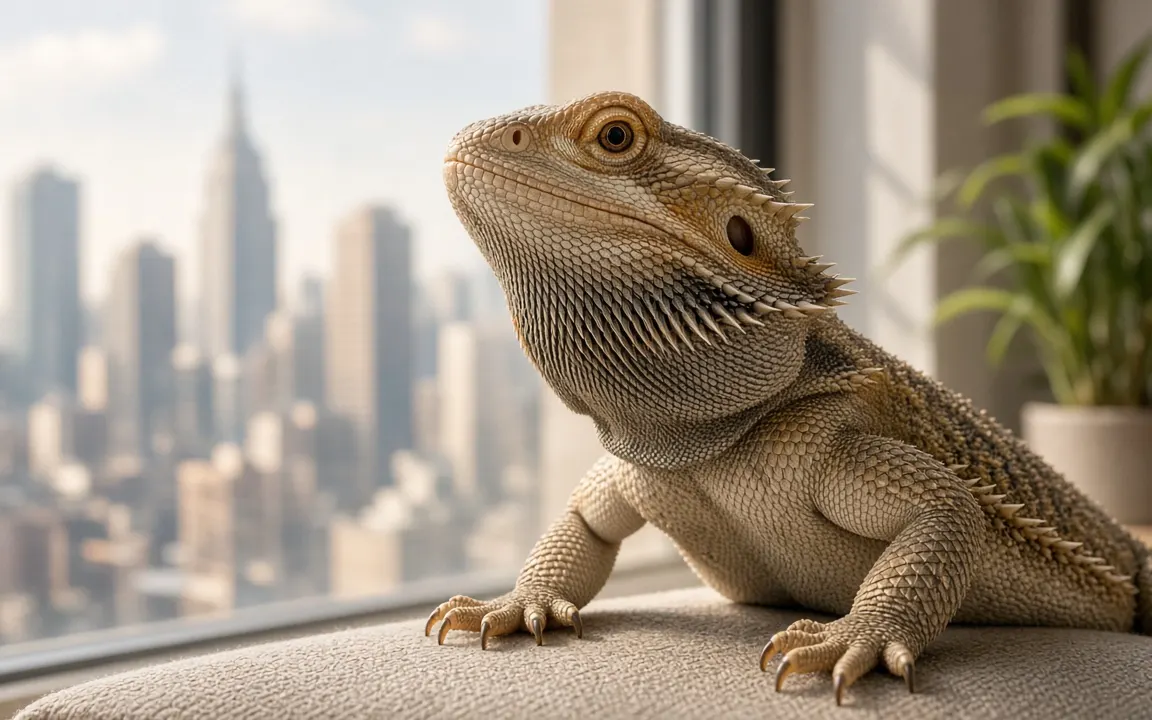
San Francisco, California
Reptile aftercare in San Francisco: the local picture
San Francisco's climate is famously cool: fog rolls in on summer afternoons, September is often the warmest month with highs near 70F, and freezes almost never happen. That gives you a little time if your pet dies at home, but keep the body in a cool room on a towel and arrange cremation within a day or two. For an injured or dead animal found on a public street, the city refers reports to its Animal Care & Control department.
San Francisco families spend time in Golden Gate Park, the Presidio, Crissy Field and along Ocean Beach, but many pets here live their whole lives indoors in apartments and flats, watching the street from a bay window. When a loss comes, most owners want the ashes back to keep at home. Ask the provider to confirm in writing that the cremation is individual and the ashes returned are only your pet's.
A metro like San Francisco usually hosts reptile expos or breeder meetups, and the breeder who sold you your animal may be a local phone call away. Breeders see losses in their own collections and often have firm views on post-mortems and aftercare. If your reptile died young, they'll usually want to know, and some will ask to see the findings.
About 874,000 people live in San Francisco, which makes it the 4th-largest of the 307 California communities we cover.
The closest communities we cover are Brisbane (7 miles), Daly City (7 miles) and Sausalito (7 miles). Providers serving those towns often travel to San Francisco too, so it can be worth asking them for a quote.
70.5%[1]
The NFDA projected California's cremation rate at 70.5% for 2024.
6 million[2]
About 6 million US households keep reptiles.
700,000[3]
There are about 700,000 pet tortoises and turtles in the UK (1.6% of households).
3-5% of body weight[4]
Embrace notes cremated remains typically weigh about 3-5% of the pet's original body weight.
To check the figures yourself, see Embrace Pet Insurance and UK Pet Food (formerly PFMA) Pet Population 2026.
Cremation customs in California, applied to reptiles
With about 70.5%[1] of people in California cremated, pet crematories here tend to be busy and competitive. For a reptile that usually means a choice of providers and fair minimum fees. It doesn't mean every one of them is used to a tortoise shell or a 12-foot python, so ask about your species before you agree to anything.
NFDA 2024 Cremation & Burial Report state projections (via Occasional Sage) (2024) is where the California figure comes from. It counts people; we use it because attitudes to cremating a pet in San Francisco tend to follow attitudes to cremation generally.
Seasonal risks for reptiles in San Francisco
Wherever you are, the first rule with a reptile is to confirm death before anything else, because a cold or brumating reptile can seem lifeless. After that, keep the body in a sealed tub in the fridge. In warm weather, ask for collection within a day or two; in cold weather, you'll usually have a little more time.
Budgeting for a snake, lizard or tortoise in San Francisco
Embrace Pet Insurance lists three US tiers: communal at $30 to $200, partitioned at $50 to $250 and private at $100 to $500 or more[5]. Partitioned is the one to question for a reptile in San Francisco, because a tiny gecko's ashes can mingle with a neighbor's in a shared chamber. Ask how separation works, or pay for private.
We keep the detailed California price table on one page so it stays current: see California prices.

Free tool
Cremation cost calculator
Estimate a realistic price range for your pet's size, location and the type of cremation.
Rules reptile keepers should know in California
Some places license venomous snakes, large constrictors or crocodilians separately from ordinary pets. If yours was covered in California, the permit office may want to hear that it has died, and any crematory will want the species named before it arrives. A dated cremation certificate satisfies most requests of this kind.
San Francisco Public Works publishes San Francisco's official guidance. Note that it deals with public collection, not with booking a private cremation. To find your county or city office in California, start with the official California local government directory.
The rules that apply across California (home burial, scattering and who oversees pet cremation) are summarized on our California page. San Francisco may add its own conditions, so check with the city or county before digging.
What to do when your reptile dies in San Francisco
- If you're unsure, wait and call. Don't freeze, bury or book a cremation until a vet has confirmed death, ideally with a Doppler probe.
- If you keep a collection, ask the vet whether a necropsy (post-mortem) is worth doing before cremation. Refrigerate, don't freeze, if you want one.
- Keep children and anyone with a weak immune system away from the body and the cleanup.
- Choose between private and communal cremation. With a small lizard, find out roughly how much ash comes back, then size the keepsake to that.
- Arrange collection or drop-off. Most small reptiles can go to the vet in a sealed tub; for a heavy tortoise or long snake, ask the provider to collect.
- Get the return date and price in writing, including the urn or container.
Honoring a long, quiet bond
San Francisco is a city of flats, Victorian row houses and apartment buildings packed onto steep hills, and very few homes have space for a grave; the city itself has not allowed new human burials for more than a century. Home collection and cremation is what almost every owner here asks for. When you book, mention stairs, garage access and whether a vehicle can stop on your street, since parking on a hill in the Mission or on Russian Hill can decide how quickly someone can come.
or see how other readers answered in our polls, there are guides for the big decisions and articles for the details, the planning tools turn your pet's details into figures, Compare every option on our services page. More local pages: Los Angeles, San Diego, Fresno and Long Beach, the California overview and every city in the United States.

Reader polls
What would you choose?
Vote anonymously and see how other readers answered. The results are live counts from people who visit this site, so they show real opinions, not a scientific sample.
When your reptile seemed to have died, how sure were you at first?
Tap an answer to vote and see how others answered. Anonymous.
For a small lizard or gecko, would you still choose private cremation knowing only a pinch of ash may come back?
Tap an answer to vote and see how others answered. Anonymous.
If you had to decide today, which aftercare would you choose for your pet?
Tap an answer to vote and see how others answered. Anonymous.

Free tools to help you plan
Cremation cost calculator
Estimate a realistic price range for your pet's size, location and the type of cremation.

Ashes weight estimator
See roughly how much ash to expect back, by species and body weight.

Pet age & senior years calculator
Convert your pet's age and see when senior-care and planning conversations usually start.
Questions people ask
Which nearby towns can I compare with San Francisco?
The closest communities we cover are Brisbane (about 7 miles), Daly City (about 7 miles) and Sausalito (about 7 miles). Providers based in those places often serve San Francisco too. Ask each one for a written total that includes collection, so the distance is priced in.
Why does the San Francisco page quote a human cremation rate?
Because it is the best local signal we have. NFDA 2024 Cremation & Burial Report state projections (via Occasional Sage) (2024) reports about 70.5%[1] of California residents are cremated. There is no official pet equivalent, and inventing one would be worse than quoting a real, clearly labelled number.
How many households keep reptiles in the US?
About 6 million[2] US households keep reptiles, according to the American Pet Products Association, and 43%[7] of those keep turtles or tortoises. That's a large community, which is why most crematories near San Francisco will have cremated reptiles before, even if not often. It's still worth asking how many they see and how they keep small bodies separate.
How much ash will I get back from my reptile?
Cremated remains weigh roughly 3-5% of body weight[4], so the amount follows size closely. A leopard gecko returns a gram or two, a bearded dragon about a tablespoon, a ball python a few ounces and a large tortoise several pounds. Shelled species return a little more because the shell is bone. The ashes weight estimator gives a figure for your pet.
Can I cremate a turtle or tortoise in San Francisco if it came from a pet store as a hatchling?
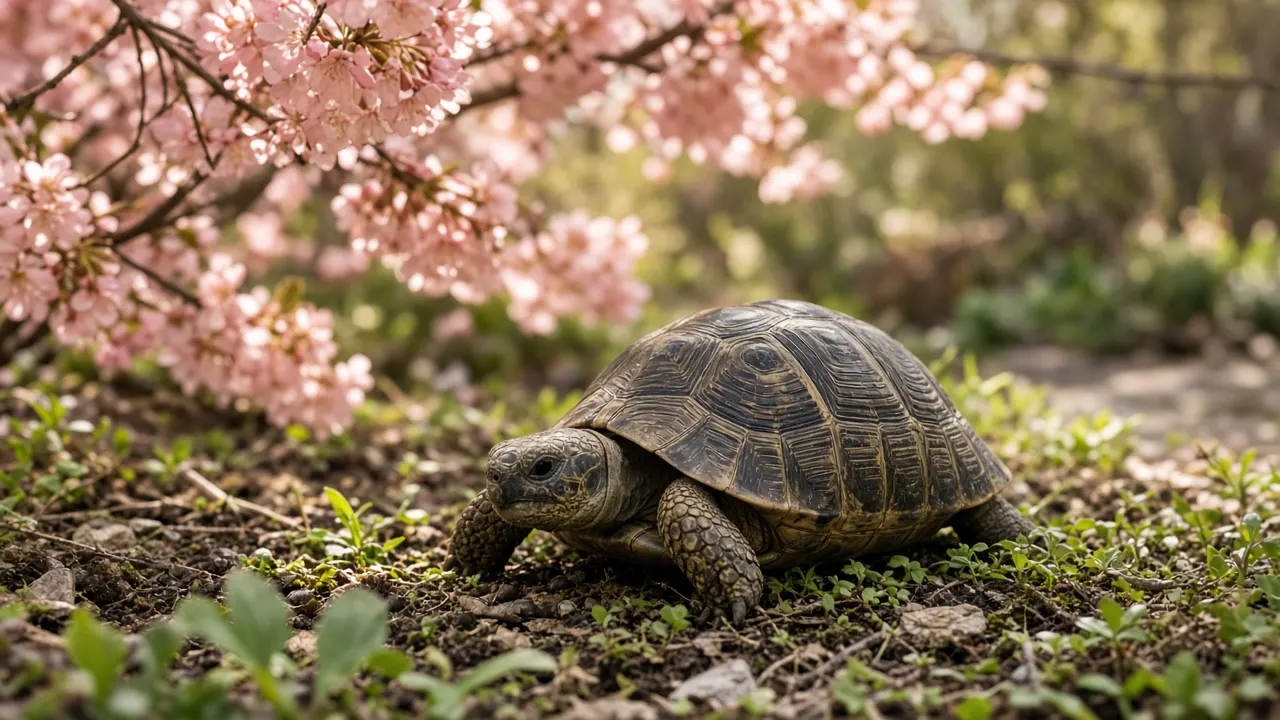
Yes. Any turtle or tortoise can be cremated, whatever its size or where it came from. Handle it with gloves, since turtles commonly carry Salmonella; it's why the US has banned selling turtles under 4 inches since 1975. A hatchling leaves very little ash, so ask about a small-pet private option.
My reptile died within its first year. Is that common?
It's less common than some claims suggest. A peer-reviewed University of Kent survey found only 3.6%[8] of pet snakes, chelonians and lizards died within their first year, though rates varied by species, with chameleons highest. If your reptile died young, a vet can help you understand why, which may protect any others you keep.


Sources and our estimates
- [1] The NFDA projected California's cremation rate at 70.5% for 2024. NFDA 2024 Cremation & Burial Report state projections (via Occasional Sage), 2024.
- [2] About 6 million US households keep reptiles. American Pet Products Association (APPA) 2025 National Pet Owners Survey release, 2025.
- [3] There are about 700,000 pet tortoises and turtles in the UK (1.6% of households). UK Pet Food (formerly PFMA) Pet Population 2026, 2026.
- [4] Embrace notes cremated remains typically weigh about 3-5% of the pet's original body weight. Embrace Pet Insurance - Bury or Cremate Your Dog? Costs, Pros & Cons, 2025.
- [5] Embrace Pet Insurance lists US communal cremation at $30-$200, partitioned at $50-$250, private at $100-$500+ and aquamation at $80-$450. Embrace Pet Insurance - Bury or Cremate Your Dog? Costs, Pros & Cons, 2025.
- [6] If Jonathan the tortoise hatched in 1832, he is about 194 years old in 2026. Our estimate: 2026 - 1832. How we calculate.
- [7] Among US reptile-owning households, 43% keep turtles or tortoises and 22% keep snakes. American Pet Products Association (APPA) 2025 National Pet Owners Survey release, 2025.
- [8] A University of Kent survey found only 3.6% of pet snakes, chelonians and lizards died within one year of acquisition; boas and pythons had the lowest mortality (1.9%) and chameleons the highest (28.2%). Robinson JE, St John FA, Griffiths RA, Roberts DL. Captive Reptile Mortality Rates in the Home and Implications for the Wildlife Trade. PLoS One, 2015 (PMID 26556237), 2015.
Find a San Francisco provider that accepts reptiles
Tell us what you need and where you are. We'll reply by email with clear options and prices so you can decide in your own time.