Reptile Cremation in District of Columbia
Whether your reptile is a gecko or a 70-pound tortoise, you have time to get this right. Here's how to confirm death, what cremation costs in District of Columbia and how to find a provider used to reptiles.
- Safe handling and Salmonella tips
- Private or communal, explained simply
- Help with large snakes and heavy tortoises
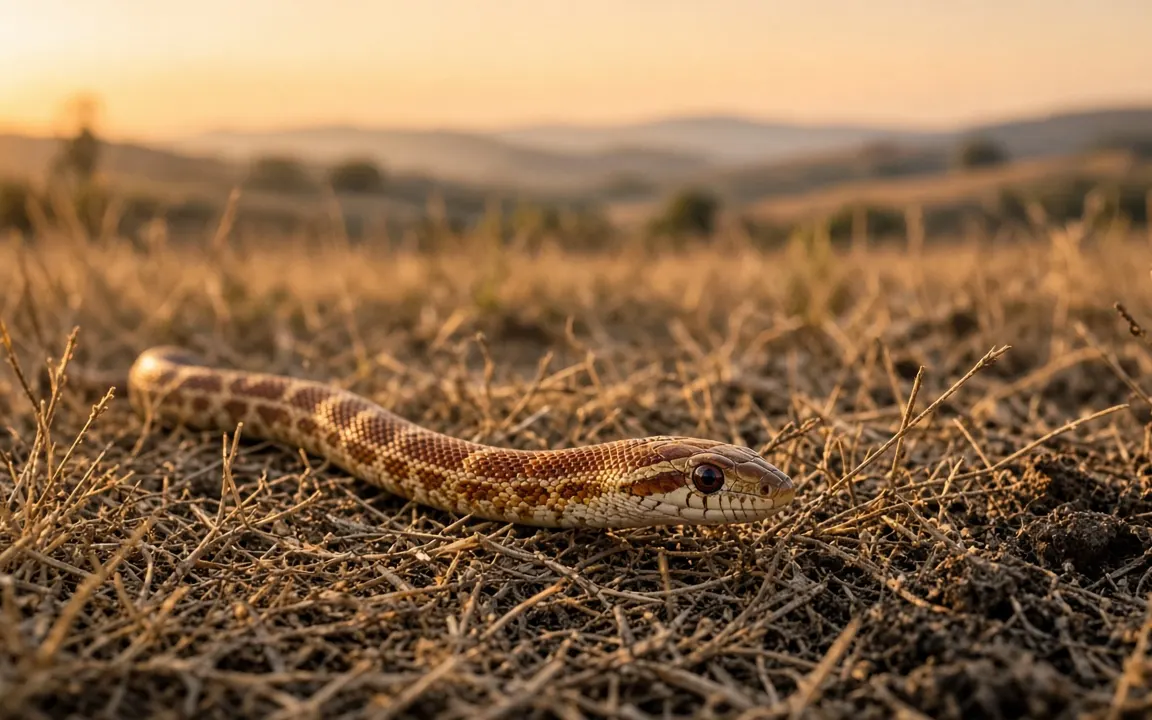
District of Columbia, the United States
Reptile Cremation in District of Columbia: what to know
Weather across District of Columbia affects reptile keepers more than most pet owners. Heat waves and cold snaps test vivarium heating and cooling, power cuts can turn dangerous within hours, and seasonal brumation makes it harder to judge whether a reptile has died. Use this page for the regional picture, then open your own city for local weather and timing.
Some keepers in District of Columbia care for animals most pet crematories rarely see: monitors, crocodilians, venomous snakes, giant tortoises. If that's you, call providers before you need one, ask about chamber size and handling, and note who said yes. The city pages below, from Washington to smaller towns, will help you start.
We cover 1 community in District of Columbia, from Washington.

Every District of Columbia community we cover
Choose your city or town for local prices, weather and timing, and rules. 1 communities in District of Columbia, largest first below.
Local attitudes to cremation and burial
With about 56.9%[1] of people cremated, District of Columbia sits between the burial traditions of the past and a cremation-first future. For a reptile, the choice usually comes down to practicalities: do you have land, will you stay, and do you want something to keep? Cremation answers the last question; burial suits keepers with a garden they won't leave.
That District of Columbia rate is a human statistic published by NFDA 2024 Cremation & Burial Report state projections (via Occasional Sage) (2024); there is no pet equivalent, so we use it as a signal of how families here already think.
Paying for a reptile's cremation in District of Columbia
Expect District of Columbia prices to follow size, but only at the top end. Geckos, dragons, corn snakes and box turtles all sit in the lowest band; a big sulcata tortoise or Burmese python is priced like a large dog, and CareCredit's over-90 lb band reaches $350 to $450 for private cremation[2]. Collection, a keepsake urn and a certificate are often extra.
Small pets pay the most per pound. By our estimate, private cremation works out at roughly $9 a pound for a 15 lb pet and about $4 a pound at 60 lb[3]. A 1 lb bearded dragon in District of Columbia usually pays the same minimum as that 15 lb pet, so the number worth comparing is each provider's lowest private price.
| Weight band (examples) | Communal | Private |
|---|---|---|
| Up to 30 lb (geckos, dragons, most snakes, turtles) | $45 to $75 | $100 to $175 |
| 31 to 50 lb (large monitors, big iguanas) | $50 to $80 | $150 to $250 |
| 51 to 70 lb (leopard tortoises, very large pythons) | $50 to $100 | $200 to $300 |
| 71 to 90 lb (adult sulcata tortoises) | $100 to $150 | $250 to $375 |
| Over 90 lb (the largest tortoises and constrictors) | $150 to $200 | $350 to $450 |
| Source | CareCredit cost guide | Excludes pickup, urn upgrades and euthanasia |

Free tool
Cremation cost calculator
Estimate a realistic price range for your pet's size, location and the type of cremation.
Burial, scattering and protected species in District of Columbia
The rules that matter most after a reptile dies usually concern land rather than cremation. Burying on property you don't own, or scattering in a park or waterway, can need permission in District of Columbia. A small lizard leaves so little ash that many keepers skip scattering entirely and keep it at home, which avoids the question.
- Burial at home: Confirm the rule for the actual parcel and proposed burial with the local authority and property owner.
- Scattering ashes: Ask the exact land manager about scattering before making arrangements; a general gathering permission is a separate matter.
- Who oversees it: the authority responsible for the specific activity and location; this guide does not identify a universal permit or licensing rule
- Worth knowing: Record the service method, release authority, identification and return instructions in writing.
A city's population does not establish which aftercare activities are allowed at an address. Check the actual site and activity before proceeding.
County and city offices set many of the local rules. To find yours, start with the official District of Columbia local government directory.
A plan for the next few days
- Take a breath. Once your reptile is cool and sealed in the fridge, nothing has to happen today.
- Confirm with a vet if there's any chance of brumation, cold shock or deep torpor.
- Wash everything the body touched in hot water and soap, follow with disinfectant, and finish by scrubbing your own hands.
- Compare two quotes for a private cremation when time allows; the minimum charge for a small pet differs widely.
- Ask three questions: how often they cremate reptiles, how they keep a small body separate, and how much ash to expect.
- Plan where the ashes will go, whether that's a locket small enough for a gecko or a proper urn for a tortoise. Use the ashes weight estimator to get the size right.
Sheds, shells and keepsakes
Many keepers in District of Columbia hold on to a shed skin as their most personal keepsake, with every scale and marking intact. Dry it fully, handle it with gloves and store it flat in a sealed frame or shadow box. Pair it with a small vial of ashes and a photo, and the whole memorial fits on one shelf.
Next: see what each choice includes on services, run your own numbers in the tools, check the poll results, or pick another area from all locations.

Reader polls
What would you choose?
Vote anonymously and see how other readers answered. The results are live counts from people who visit this site, so they show real opinions, not a scientific sample.
For a small lizard or gecko, would you still choose private cremation knowing only a pinch of ash may come back?
Tap an answer to vote and see how others answered. Anonymous.
Have you ever kept a shed skin, scute or photo of your reptile's markings as a keepsake?
Tap an answer to vote and see how others answered. Anonymous.
If you had to decide today, which aftercare would you choose for your pet?
Tap an answer to vote and see how others answered. Anonymous.

Free tools to help you plan
Cremation cost calculator
Estimate a realistic price range for your pet's size, location and the type of cremation.

Ashes weight estimator
See roughly how much ash to expect back, by species and body weight.

Pet age & senior years calculator
Convert your pet's age and see when senior-care and planning conversations usually start.
Questions people ask
Can I release a sick reptile or dispose of a body outdoors in District of Columbia?
Please don't. Releasing a pet reptile can harm local wildlife, and some species are covered by invasive-species rules that make release illegal. Disposing of a body in the open can spread Salmonella and attract scavengers. If you can no longer care for a living reptile, contact a reptile rescue; for a body, choose cremation or a proper burial.
Where can I scatter my reptile's ashes in District of Columbia?
Private land with the owner's permission is simplest. Parks, beaches and public land usually have their own rules, and some ask you to request permission first. A small reptile leaves very little ash, so many keepers bury it in a planter at home or keep it in a pendant instead of scattering.
Can I keep my tortoise's shell in District of Columbia?
Usually yes, but you must decide before cremation, because a shell can't be recovered afterwards. A preservation specialist can clean it, or it can be cremated with the body. If your tortoise is a protected species, keep its paperwork and check the rules before selling or giving the shell to anyone else.
How long does it take to get a reptile's ashes back in District of Columbia?
Many families receive ashes within one to two weeks. In large cities it can be faster; in rural areas where the crematory collects from vets on set days, it may take a little longer. Ask for an expected return date when you book, and whether the ashes come by post or for collection.
Do winter power cuts put reptiles at risk in District of Columbia?
Yes. When heat mats and lamps fail on a cold night, a vivarium can cool quickly. In Washington, one of the coldest places we cover in District of Columbia, average winter lows reach about 30°F. A reptile found chilled and still may be torpid rather than dead, so warm the room gradually and ask a vet to check.
Is cremation common in District of Columbia?
For people, about 56.9%[1] of deaths in District of Columbia end in cremation, and pet aftercare tends to follow local habits. Among reptile keepers, cremation is common for long-lived animals like tortoises and for anyone without a garden, while small lizards and turtles are still often buried at home.

Sources and our estimates
- [1] The NFDA projected District of Columbia's cremation rate at 56.9% for 2024. NFDA 2024 Cremation & Burial Report state projections (via Occasional Sage), 2024.
- [2] CareCredit lists US communal cremation at $150-$200 and private at $350-$450 for pets over 90 lb. CareCredit (Synchrony) - How Much Does Pet Cremation Cost? (Sept 2023), 2023.
- [3] Private cremation cost per pound falls with size in the US: roughly $9.2/lb for a 15 lb pet, $4.2/lb at 60 lb and about $4.0/lb at 100 lb. Our estimate: band midpoint price / representative weight: 0-30 lb (midpoint $137.50 / 15 lb) = $9.17/lb; 51-70 lb ($250 / 60 lb) = $4.17/lb; over 90 lb ($400 / ~100 lb) = $4.00/lb. How we calculate.
- [4] Published ashes-return times across the network's markets range from same-day (paid express) to about 4 weeks; a conservative typical window is 3-14 days. Our estimate: min/max across sources: Lambeth 3 days; US 5-10 days; RSPCA QLD within 14 days; AniCura Sweden 2-4 weeks. How we calculate.
Get District of Columbia prices for your snake, lizard or tortoise
Tell us what you need and where you are. We'll reply by email with clear options and prices so you can decide in your own time.