Arranging reptile aftercare in West St. Paul
Most crematories in West St. Paul are set up for cats and dogs. We explain what to ask so your snake, lizard or tortoise is handled with care, and we can email you local options.
- Safe handling and Salmonella tips
- Private or communal, explained simply
- Help with large snakes and heavy tortoises
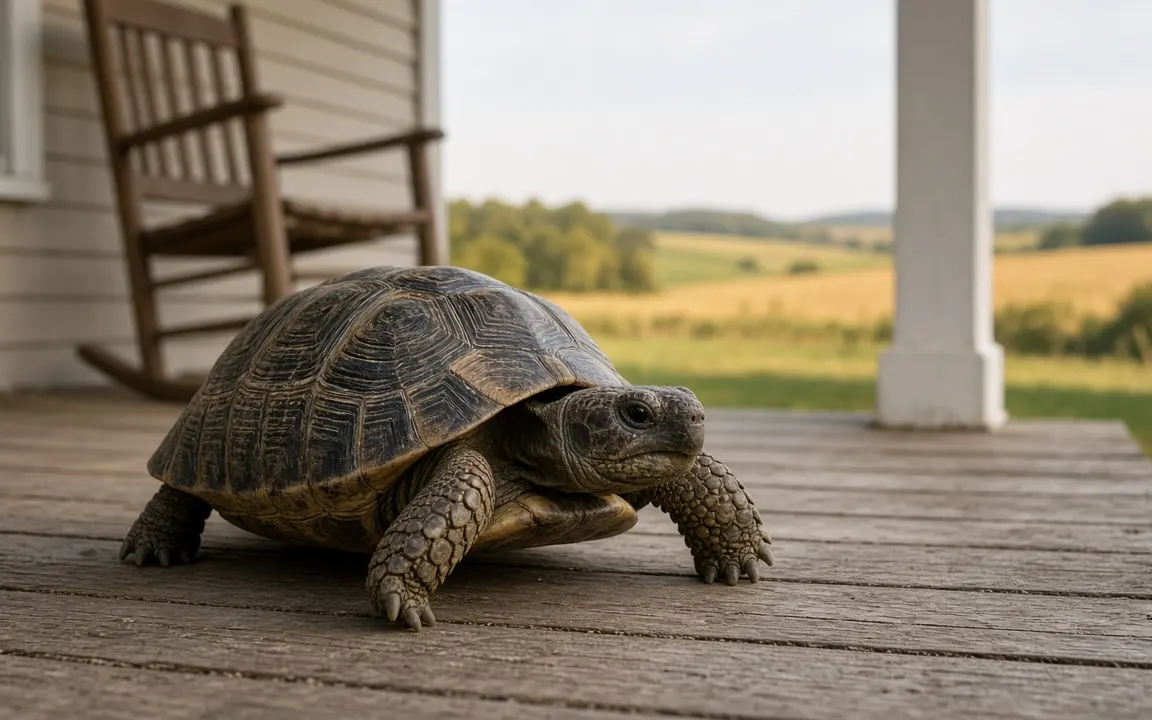
West St. Paul, Minnesota
What arranging reptile cremation in West St. Paul is like
January lows here average about 9F, and frost grips the yards for the better part of five months. That makes cremation the default for most West St. Paul households, sometimes followed by a spring burial of the ashes among the peonies. On sticky summer afternoons, a basement floor with a towel underneath and chilled gel packs close by keeps your pet settled while calls get made.
West St. Paul occupies the high ground just south of downtown Saint Paul, about 4 miles away in northern Dakota County. Most homes are postwar ramblers and split-levels on compact lots, with apartments and townhouses clustered along the Robert Street shopping strip. East-metro aftercare services generally include West St. Paul in their pickup territory; make sure the quote covers pickup, and ask roughly how long until the urn is returned.
Crematories serving rural areas often collect from vet clinics on set days of the week, so a reptile from West St. Paul may wait a few days before it travels. That's fine once death is confirmed. A sealed tub in a fridge covers a day or two; for a longer wait, freezing is sensible unless you want a post-mortem, which needs a body that hasn't been frozen.
About 21,950 people live in West St. Paul, which makes it the 57th-largest of the 67 Minnesota communities we cover. The nearest larger centre is Saint Paul, about 4 miles (6 km) away, which is where some providers serving West St. Paul are based.
The closest communities we cover are South St. Paul (2 miles), Saint Paul (4 miles, a larger centre) and Inver Grove Heights (5 miles). Providers serving those towns often travel to West St. Paul too, so it can be worth asking them for a quote.
68.5%[1]
The NFDA projected Minnesota's cremation rate at 68.5% for 2024.
6 million[2]
About 6 million US households keep reptiles.
700,000[3]
There are about 700,000 pet tortoises and turtles in the UK (1.6% of households).
3-5% of body weight[4]
Embrace notes cremated remains typically weigh about 3-5% of the pet's original body weight.
If a number here surprises you, the primary material is American Pet Products Association (APPA) 2025 National Pet Owners Survey release and UK Pet Food (formerly PFMA) Pet Population 2026; we only apply it to this.
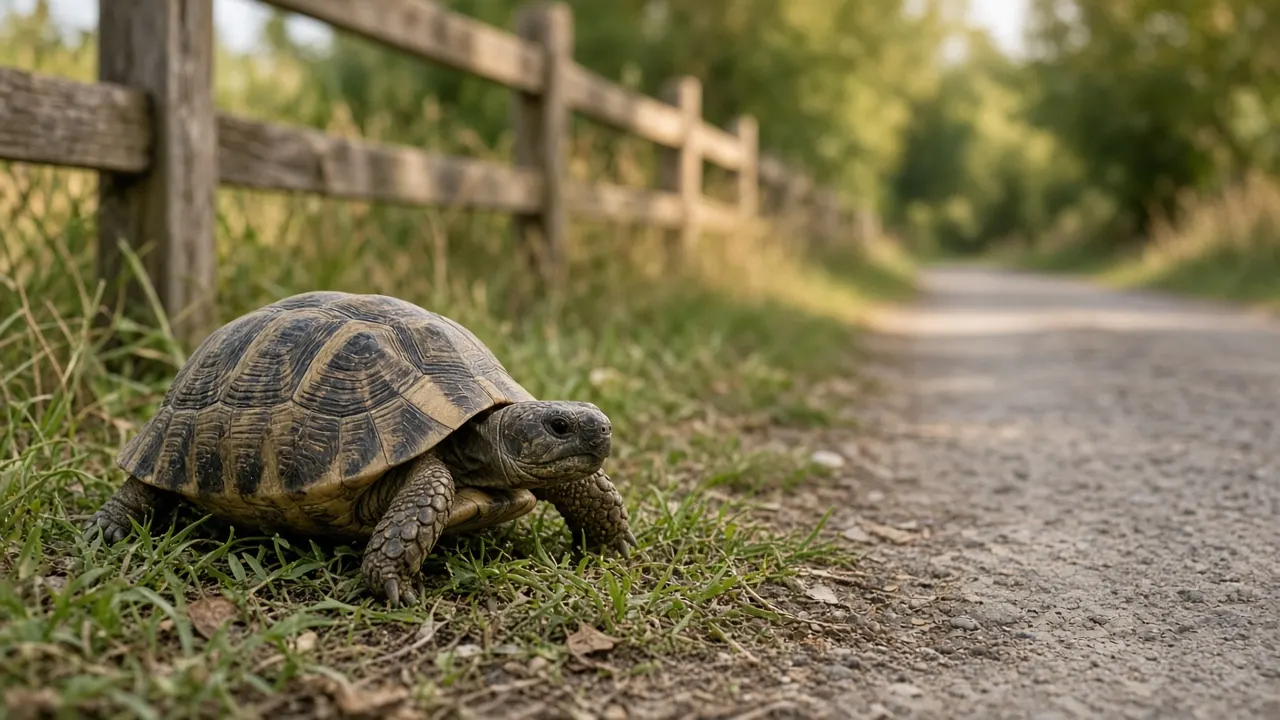
Burial or cremation? The view from Minnesota
In Minnesota, about 68.5%[1] of people are cremated. That middle ground means most vets offer pet cremation routinely, but fewer have thought about reptiles specifically. If your vet seems unsure about a snake's length or a tortoise's shell, it's perfectly reasonable to contact a crematory directly and ask the questions yourself.
NFDA 2024 Cremation & Burial Report state projections (via Occasional Sage) (2024) is where the Minnesota figure comes from. It counts people; we use it because attitudes to cremating a pet in West St. Paul tend to follow attitudes to cremation generally.
Seasons, brumation and timing in West St. Paul
West St. Paul has average lows at or below freezing in January, February, March, November and December, and that's when many reptiles naturally slow down for brumation. A brumating snake or tortoise can look lifeless for weeks. Before you assume the worst in winter, keep it at its normal temperature and ask a reptile vet to check for a heartbeat. Never freeze an animal you aren't certain has died.
Space heaters come out in January, February, March, November and December, and many reptile rooms lean on them. A stuck thermostat can overheat a small enclosure fast. If your reptile died near a heater, ask the vet to look for burns, and check the thermostat and wiring before any other animal goes back in that room.

How much to budget in West St. Paul, by size
Rush service is where West St. Paul bills jump. A 24-hour turnaround typically adds $50 to $150[5], and by our estimate weekend rush at one provider costs six times its weekday fee[6]. For a reptile safely refrigerated, the standard slot, about a week in many places, costs nothing extra.
We keep the detailed Minnesota price table on one page so it stays current: see Minnesota prices.

Free tool
Cremation cost calculator
Estimate a realistic price range for your pet's size, location and the type of cremation.
Local rules in Minnesota
Cremating a reptile needs no permit, but what happens around it can be regulated in Minnesota: burying on your own land, scattering ashes and, for some species, what you may do with the body or the shell. It pays to know the basics before you decide. If your reptile needed a permit to keep, check that permit's conditions too.
To find your county or city office in Minnesota, start with the official Minnesota local government directory.
The rules that apply across Minnesota (home burial, scattering and who oversees pet cremation) are summarized on our Minnesota page. West St. Paul may add its own conditions, so check with the city or county before digging.
A plan for the next few days
- If you're unsure, wait and call. Freezing, burial and a cremation booking can all wait for a vet's confirmation, ideally using a Doppler probe.
- If you keep a collection, ask the vet whether a necropsy (post-mortem) is worth doing before cremation. Refrigerate, don't freeze, if you want one.
- Keep children and anyone with a weak immune system away from the body and the cleanup.
- Choose between private and communal cremation. For a small lizard, ask how much ash to expect so you can pick a keepsake that fits.
- Arrange collection or drop-off. Most small reptiles can go to the vet in a sealed tub; for a heavy tortoise or long snake, ask the provider to collect.
- Get the return date and price in writing, including the urn or container.
Honoring a long, quiet bond
Thompson County Park, set around Thompson Lake on the city's east side, is a green refuge many West St. Paul residents know well. As county land, it isn't open to scattering unless you get permission. Most families find a place nearer home instead, such as a sunny garden corner, a shelf by the front window, or a pressed clay paw hung near the back door.
or look at how readers voted in our polls, go deeper with the guides or catch up on recent articles, use the free tools before you ring anyone, Our services overview lays out every option side by side. More local pages: Minneapolis, Brooklyn Park, Bloomington and Rochester, the Minnesota overview and every city in the United States.

Reader polls
What would you choose?
Vote anonymously and see how other readers answered. The results are live counts from people who visit this site, so they show real opinions, not a scientific sample.
Have you ever kept a shed skin, scute or photo of your reptile's markings as a keepsake?
Tap an answer to vote and see how others answered. Anonymous.
When your reptile seemed to have died, how sure were you at first?
Tap an answer to vote and see how others answered. Anonymous.
If you had to decide today, which aftercare would you choose for your pet?
Tap an answer to vote and see how others answered. Anonymous.

Free tools to help you plan
Cremation cost calculator
Estimate a realistic price range for your pet's size, location and the type of cremation.

Ashes weight estimator
See roughly how much ash to expect back, by species and body weight.

Pet age & senior years calculator
Convert your pet's age and see when senior-care and planning conversations usually start.
Questions people ask
When is the hardest time of year to arrange a burial in West St. Paul?
January, February, March, November and December: average lows are below freezing then, and frozen ground makes a home grave slow or impossible until it thaws. The other pressure point is July, when highs around 83°F mean a body needs cooling and collecting quickly.
How do Minnesota attitudes to cremation compare?
NFDA 2024 Cremation & Burial Report state projections (via Occasional Sage) (2024) puts the Minnesota human cremation rate at about 68.5%[1]. We show it on the West St. Paul page because pet aftercare choices tend to track it: where cremation is normal for people, communal and private pet cremation are both easy to find.
Where are the providers that serve West St. Paul actually based?
Some are local, and some run from Saint Paul, about 4 miles away. That is normal for a town this size. What matters is the collection time they quote for West St. Paul and whether the drive is priced into the total, so ask both up front.
Which nearby towns can I compare with West St. Paul?
The closest communities we cover are South St. Paul (about 2 miles), Saint Paul (about 4 miles) and Inver Grove Heights (about 5 miles). Providers based in those places often serve West St. Paul too. Ask each one for a written total that includes collection, so the distance is priced in.
My reptile died after a power cut. What should I do?
First make sure it really has died: a chilled or overheated reptile can be torpid rather than dead, so bring the room back to normal temperature gradually and ask a vet to check. Then tell the vet what temperatures the enclosure reached, especially if you keep other reptiles, because they may need checking too.
What if there's no reptile vet near West St. Paul?
Call your local vet anyway. Any vet can confirm death and store your reptile safely, and most can arrange cremation with the crematory they use for cats and dogs. If your reptile is still alive but unwell, ask them to consult an exotics vet by phone, or plan a drive to a larger centre such as Saint Paul.


Sources and our estimates
- [1] The NFDA projected Minnesota's cremation rate at 68.5% for 2024. NFDA 2024 Cremation & Burial Report state projections (via Occasional Sage), 2024.
- [2] About 6 million US households keep reptiles. American Pet Products Association (APPA) 2025 National Pet Owners Survey release, 2025.
- [3] There are about 700,000 pet tortoises and turtles in the UK (1.6% of households). UK Pet Food (formerly PFMA) Pet Population 2026, 2026.
- [4] Embrace notes cremated remains typically weigh about 3-5% of the pet's original body weight. Embrace Pet Insurance - Bury or Cremate Your Dog? Costs, Pros & Cons, 2025.
- [5] Rush 24-hour pet cremation typically adds $50–$150; standard turnaround is about 7 days. Memorials.com – Pet Cremation Cost Guide 2026, 2026.
- [6] Weekend rush cremation costs 6 times the weekday rush fee at one North Carolina provider. Our estimate: $300 / $50. How we calculate.
- [7] If U.S. reptile-owning households each acquired one reptile a year and first-year mortality matched the UK study (3.6%), about 216,000 new pet reptiles would die within a year; the contested 75% figure would imply 4.5 million. Our estimate: 6,000,000 households x 1 reptile x 3.6%; vs x 75%. How we calculate.
Tell us about your reptile
Tell us what you need and where you are. We'll reply by email with clear options and prices so you can decide in your own time.