Reptile cremation in Springfield, from geckos to tortoises
Most crematories in Springfield are set up for cats and dogs. We explain what to ask so your snake, lizard or tortoise is handled with care, and we can email you local options.
- Confirm death before anything is decided
- Providers in Springfield that accept reptiles
- Written prices by size, by email
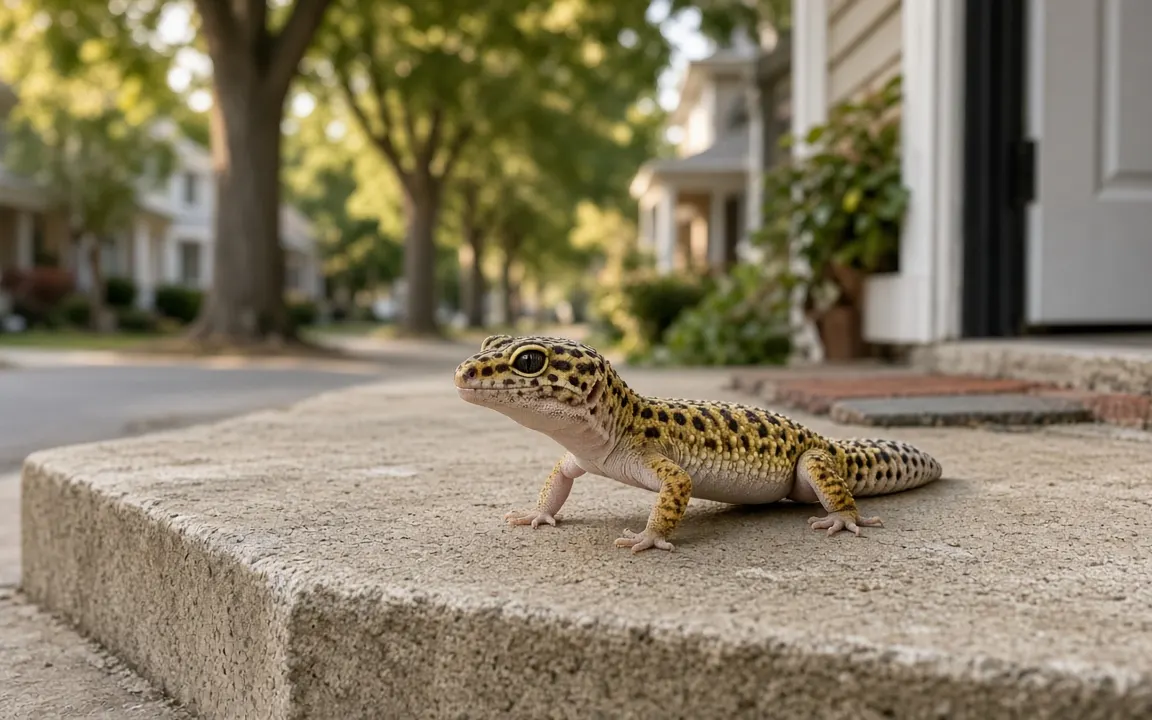
Springfield, Missouri
Getting reptile aftercare sorted in Springfield
Springfield's summers reach around 90F in July with heavy humidity, and winters bring ice storms that can shut roads for a day or two. In summer, keep your pet's body in the coolest room with ice packs wrapped in towels and arrange collection quickly. In an ice storm, cold buys you time, but travel may not be safe, so it's fine to wait until roads clear rather than risk the drive.
Springfield spreads out across the Ozarks plateau, and many pets here live in single-family houses with yards on the south and east sides of town, or on a few acres just beyond the city limits in Greene County. If your pet dies at home on a rural property, mention the gravel road, the gate and whether there's room to turn a vehicle. That helps a provider plan a collection without extra delays.
If the nearest reptile specialist to Springfield is a drive away, plan before you need it. Save the number of an exotics vet, ask your regular practice whether it owns a Doppler probe, and keep disposable gloves and a lidded tub with your reptile supplies. None of that is morbid. It simply makes a very hard hour a little easier to get through.
About 169,847 people live in Springfield, which makes it the 3rd-largest of the 43 Missouri communities we cover.
If you want to compare providers, look at Republic (7 miles), Nixa (11 miles) and Ozark (13 miles). Distance matters because pickup fees and the time until the ashes come back both grow with the drive.
59.8%[1]
The NFDA projected Missouri's cremation rate at 59.8% for 2024.
6 million[2]
About 6 million US households keep reptiles.
700,000[3]
There are about 700,000 pet tortoises and turtles in the UK (1.6% of households).
3-5% of body weight[4]
Embrace notes cremated remains typically weigh about 3-5% of the pet's original body weight.
To check the figures yourself, see American Pet Products Association (APPA) 2025 National Pet Owners Survey release and UK Pet Food (formerly PFMA) Pet Population 2026.
Cremation habits in Missouri and your reptile
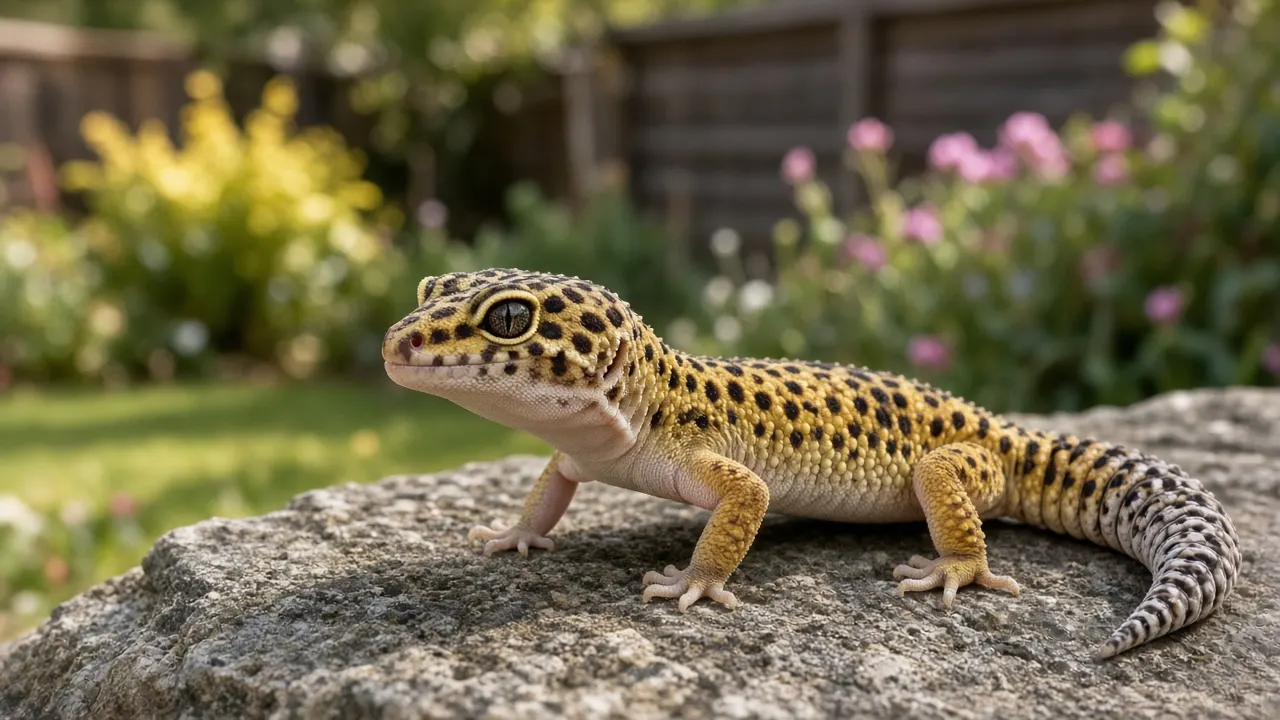
Cremation is now the majority choice for people in Missouri, at about 59.8%[1], yet burial remains familiar. Among reptile keepers you'll find both. A tiny gecko buried under a favorite plant is as valid a goodbye as a private cremation, provided you're sure of the death and bury deep enough to keep scavengers away.
The Missouri percentage above is from NFDA 2024 Cremation & Burial Report state projections (via Occasional Sage) (2024) and refers to human funerals. Treat it as context for Springfield, not as a count of pets.
Timing a goodbye around Springfield's weather
Keepers in Springfield often run two setups a year: extra cooling in June, July and August and extra heat in January, February and December. Each change-over is a moment when a thermostat gets set wrongly or a bulb isn't replaced. If a reptile dies soon after you switched, check both before blaming illness, which may protect your other animals.
Seasons like Springfield's create two kinds of confusion. In winter, a brumating reptile can look dead; in summer, a tortoise may shelter in its burrow for days. Either way the rule is the same: keep it at its usual temperature, look for small signs of life, and ask a vet to confirm before freezing, burying or booking a cremation.
Budgeting for a snake, lizard or tortoise in Springfield
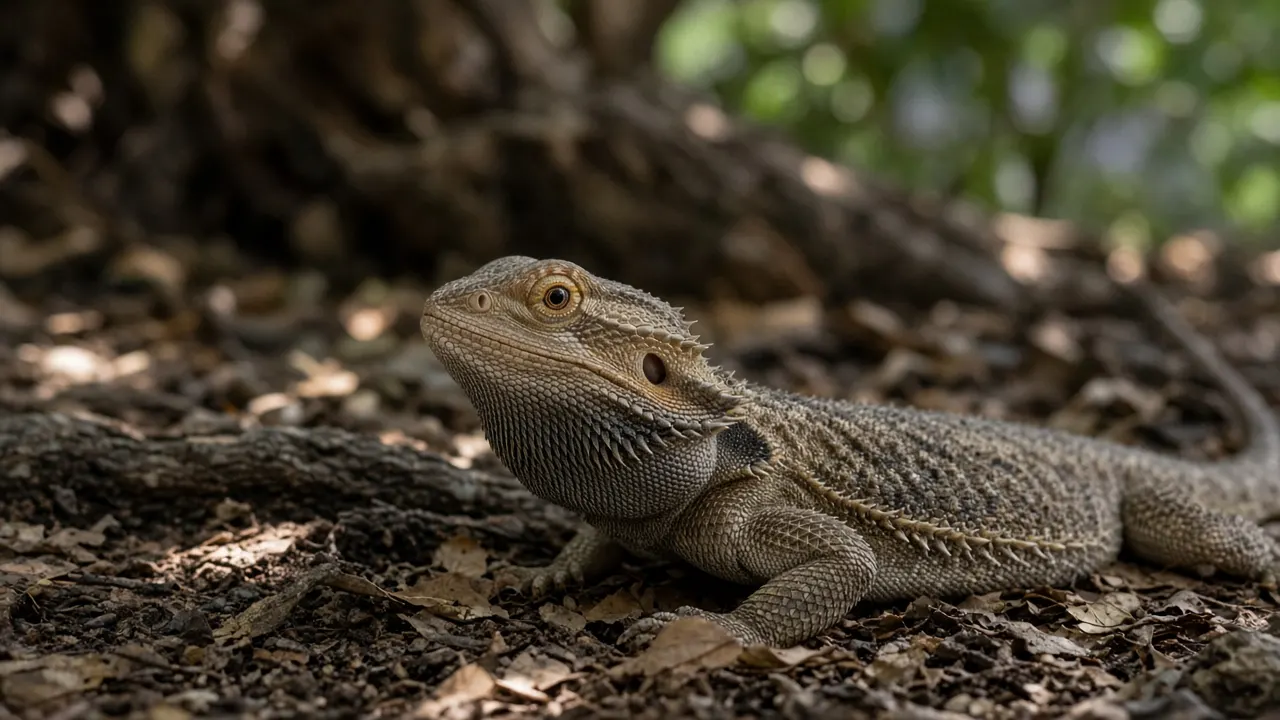
Embrace Pet Insurance lists three US tiers: communal at $30 to $200, partitioned at $50 to $250 and private at $100 to $500 or more[5]. Partitioned is the one to question for a reptile in Springfield, because a tiny gecko's ashes can mingle with a neighbor's in a shared chamber. Ask how separation works, or pay for private.
We keep the detailed Missouri price table on one page so it stays current: see Missouri prices.

Free tool
Cremation cost calculator
Estimate a realistic price range for your pet's size, location and the type of cremation.
Burial, scattering and protected species in Missouri
Few authorities inspect how a pet crematory keeps a small body apart from others, and Missouri is unlikely to be an exception. That puts the job of asking on you. The rules summarized below cover what you may do with a body or ashes; a promise that your reptile is cremated alone belongs in a written agreement.
Missouri keeps an official directory of local governments; use it to reach the county or city office that covers Springfield.
Start with the Missouri rules, which cover burial, scattering and oversight for the whole state, and treat Springfield's local ordinances as a possible extra layer.
A plan for the next few days
- If a sitter or neighbor found your reptile, have them take pictures of the tank and the thermostat setting before anything is touched.
- Have them wear gloves, bag the body, close it in a tub with a lid, write a label and put it in the fridge far from anything edible.
- Phone your usual vet and ask whether the clinic can receive the body from your sitter. Many will hold it until you're back.
- Don't cut the trip short for the cremation. Once your reptile is cold and sealed, or at the vet, a few days' wait does no harm.
- Travelling with your reptile when it died? Any local vet can confirm death, and can then either keep the body cold until you drive home or point you to a crematory nearby.
- Check your other animals first when you get home, above all when a heating problem could have been the cause.
Sheds, shells and keepsakes
Plenty of Springfield families have buried pets on their own land for generations, and that's still common in the rural parts of the county. The rocky Ozark soil and shallow bedrock can make digging hard, though, and many owners now choose cremation so they can keep the ashes if they move. A private cremation returns your pet's ashes; a communal cremation is less expensive and doesn't return them.
Our services overview lays out every option side by side, use the free tools before you ring anyone, or see how other readers answered in our polls, browse in-depth guides or recent articles. If you live between Springfield and Lee's Summit, Independence, St. Louis and O'Fallon, either page applies. Every other community in Missouri, and all of the United States, is listed too.

Reader polls
What would you choose?
Vote anonymously and see how other readers answered. The results are live counts from people who visit this site, so they show real opinions, not a scientific sample.
What did you do with the enclosure after your reptile died?
Tap an answer to vote and see how others answered. Anonymous.
For a small lizard or gecko, would you still choose private cremation knowing only a pinch of ash may come back?
Tap an answer to vote and see how others answered. Anonymous.
If you had to decide today, which aftercare would you choose for your pet?
Tap an answer to vote and see how others answered. Anonymous.

Free tools to help you plan
Cremation cost calculator
Estimate a realistic price range for your pet's size, location and the type of cremation.

Ashes weight estimator
See roughly how much ash to expect back, by species and body weight.

Pet age & senior years calculator
Convert your pet's age and see when senior-care and planning conversations usually start.
Questions people ask
When is the hardest time of year to arrange a burial in Springfield?
January, February and December: average lows are below freezing then, and frozen ground makes a home grave slow or impossible until it thaws. The other pressure point is July, when highs around 90°F mean a body needs cooling and collecting quickly.
Can a provider from a neighbouring town collect from Springfield?
Usually yes. Republic is about 7 miles away, Nixa is about 11 miles away and Ozark is about 13 miles away, all inside a normal collection radius. Get the mileage written into the quote so there is no surprise on the day.
How do Missouri attitudes to cremation compare?
NFDA 2024 Cremation & Burial Report state projections (via Occasional Sage) (2024) puts the Missouri human cremation rate at about 59.8%[1]. We show it on the Springfield page because pet aftercare choices tend to track it: where cremation is normal for people, communal and private pet cremation are both easy to find.
My tortoise hasn't come out of its burrow for days. Has it died?
Not necessarily. In hot weather many tortoises shelter underground for long spells and slow right down. Check the burrow entrance gently and watch for fresh tracks or disturbed soil. If you're worried, ask a reptile vet for advice before digging, and never pull a tortoise out in the midday heat.
How much ash will I get back from my reptile?
Cremated remains weigh roughly 3-5% of body weight[4], so the amount follows size closely. A leopard gecko returns a gram or two, a bearded dragon about a tablespoon, a ball python a few ounces and a large tortoise several pounds. Shelled species return a little more because the shell is bone. The ashes weight estimator gives a figure for your pet.
My reptile died within its first year. Is that common?
It's less common than some claims suggest. A peer-reviewed University of Kent survey found only 3.6%[7] of pet snakes, chelonians and lizards died within their first year, though rates varied by species, with chameleons highest. If your reptile died young, a vet can help you understand why, which may protect any others you keep.


Sources and our estimates
- [1] The NFDA projected Missouri's cremation rate at 59.8% for 2024. NFDA 2024 Cremation & Burial Report state projections (via Occasional Sage), 2024.
- [2] About 6 million US households keep reptiles. American Pet Products Association (APPA) 2025 National Pet Owners Survey release, 2025.
- [3] There are about 700,000 pet tortoises and turtles in the UK (1.6% of households). UK Pet Food (formerly PFMA) Pet Population 2026, 2026.
- [4] Embrace notes cremated remains typically weigh about 3-5% of the pet's original body weight. Embrace Pet Insurance - Bury or Cremate Your Dog? Costs, Pros & Cons, 2025.
- [5] Embrace Pet Insurance lists US communal cremation at $30-$200, partitioned at $50-$250, private at $100-$500+ and aquamation at $80-$450. Embrace Pet Insurance - Bury or Cremate Your Dog? Costs, Pros & Cons, 2025.
- [6] If U.S. reptile-owning households each acquired one reptile a year and first-year mortality matched the UK study (3.6%), about 216,000 new pet reptiles would die within a year; the contested 75% figure would imply 4.5 million. Our estimate: 6,000,000 households x 1 reptile x 3.6%; vs x 75%. How we calculate.
- [7] A University of Kent survey found only 3.6% of pet snakes, chelonians and lizards died within one year of acquisition; boas and pythons had the lowest mortality (1.9%) and chameleons the highest (28.2%). Robinson JE, St John FA, Griffiths RA, Roberts DL. Captive Reptile Mortality Rates in the Home and Implications for the Wildlife Trade. PLoS One, 2015 (PMID 26556237), 2015.
Tell us about your reptile
Tell us what you need and where you are. We'll reply by email with clear options and prices so you can decide in your own time.