Reptile Cremation in New Mexico
Whether your reptile is a gecko or a 70-pound tortoise, you have time to get this right. Here's how to confirm death, what cremation costs in New Mexico and how to find a provider used to reptiles.
- Honest New Mexico costs for small pets
- Shell and shed keepsakes planned early
- Local weather and brumation advice
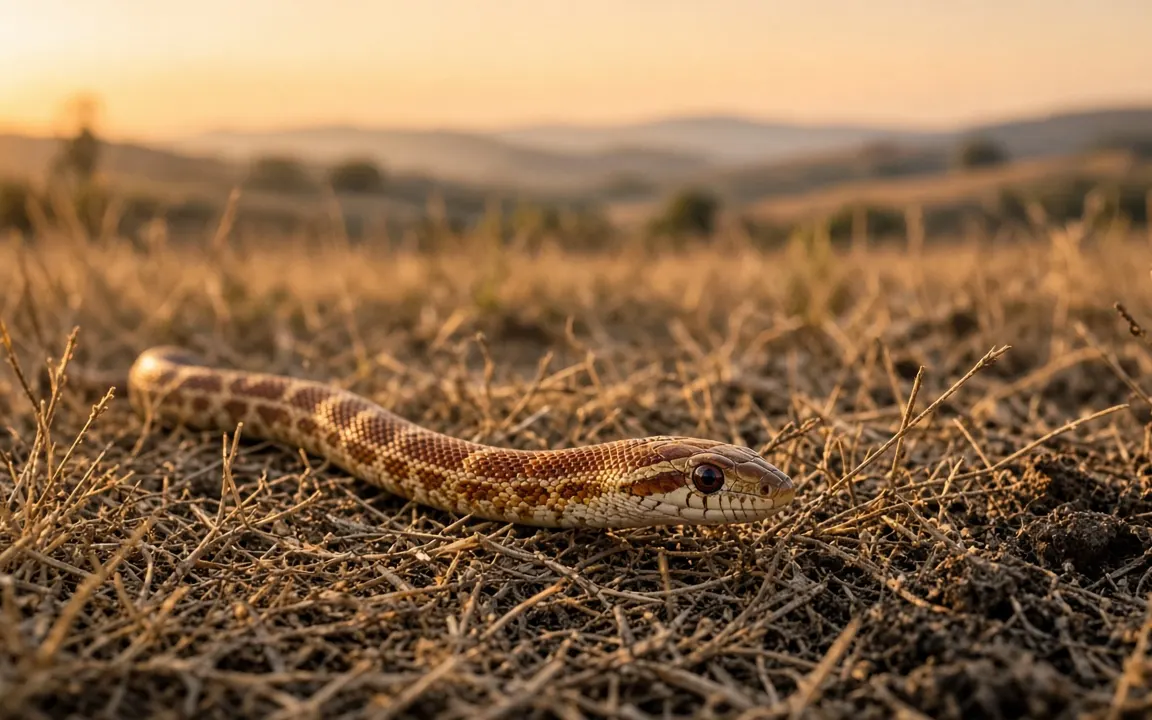
New Mexico, the United States
Reptile Cremation in New Mexico: what to know
Finding a crematory willing to take a reptile is rarely the problem in New Mexico; finding one that knows how to handle a 40-gram gecko or a 12-foot python is the real task. We cover 11 communities here, and for each one we can email you providers that accept reptiles, with prices in writing.
For many families in New Mexico, a leopard gecko or bearded dragon was a child's first pet, and its death is that child's first experience of loss. The practical side doesn't change, but hygiene and honest words need extra care. The pages for our 11 communities below cover local costs, rules and timing.
We cover 11 communities in New Mexico, from Albuquerque, Las Cruces and Rio Rancho to smaller towns. Conditions vary a lot across New Mexico: summer highs reach about 97°F in Roswell, while winter lows average 18°F in Santa Fe. In 67% of the New Mexico communities we cover, average lows drop below freezing for three months or more, which matters for home burial.
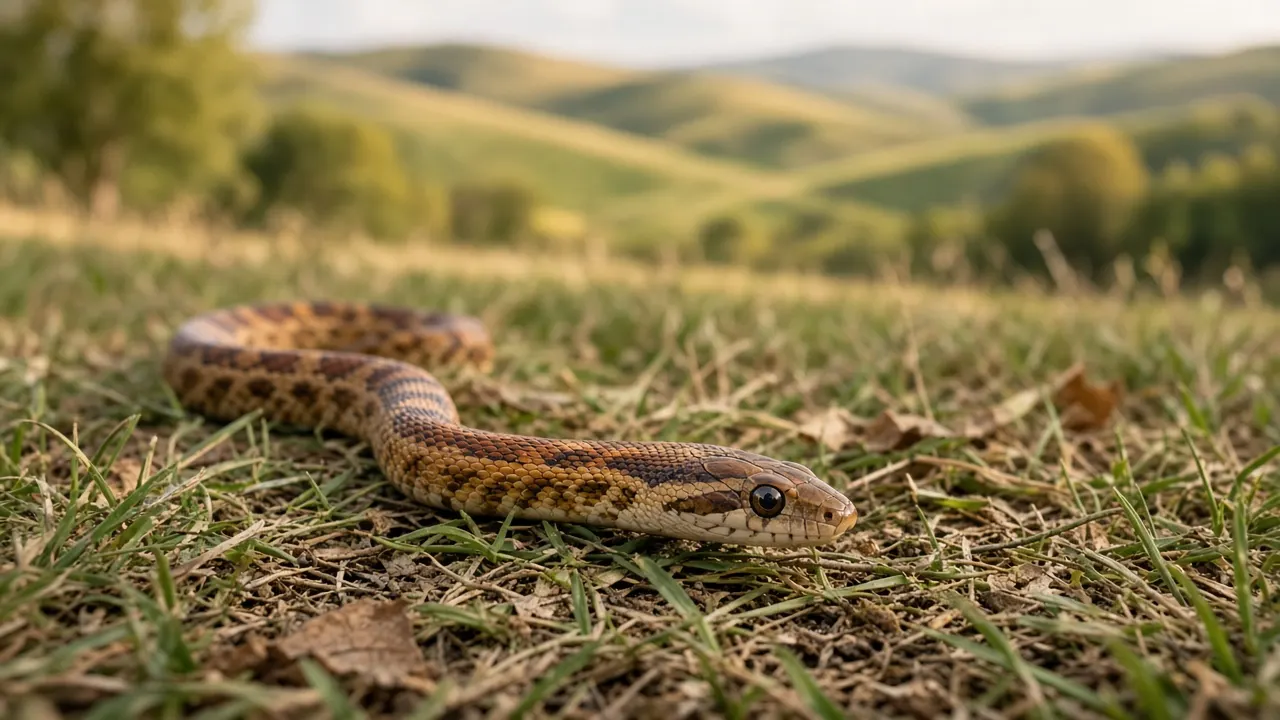

Every New Mexico community we cover
Choose your city or town for local prices, weather and timing, and rules. 11 communities in New Mexico, largest first below.
What local cremation culture means for keepers
Around 70.5%[1] of people in New Mexico are cremated, one of the higher shares you'll find anywhere. Where cremation is this ordinary, keepers tend to think of it first, and home burial of a reptile is more a question of garden space than of tradition. For apartment keepers and renters, cremation is usually the practical answer anyway.
Source for the New Mexico figure: NFDA 2024 Cremation & Burial Report state projections (via Occasional Sage) (2024). It describes human funerals and is here as context, not as a count of pets.
How much to budget in New Mexico, by size
Almost every pet reptile falls into the smallest weight band US crematories publish. CareCredit lists pets up to 30 lb at $45 to $75 for communal and $100 to $175 for private cremation[2]. That's why a 60 g gecko in New Mexico can cost nearly as much as a small dog: you're mostly paying a minimum fee for handling, paperwork and a return container.
Embrace Pet Insurance lists three US tiers: communal at $30 to $200, partitioned at $50 to $250 and private at $100 to $500 or more[3]. Partitioned is the one to question for a reptile in New Mexico, because a tiny gecko's ashes can mingle with a neighbor's in a shared chamber. Ask how separation works, or pay for private.
| Weight band (examples) | Communal | Private |
|---|---|---|
| Up to 30 lb (geckos, dragons, most snakes, turtles) | $45 to $75 | $100 to $175 |
| 31 to 50 lb (large monitors, big iguanas) | $50 to $80 | $150 to $250 |
| 51 to 70 lb (leopard tortoises, very large pythons) | $50 to $100 | $200 to $300 |
| 71 to 90 lb (adult sulcata tortoises) | $100 to $150 | $250 to $375 |
| Over 90 lb (the largest tortoises and constrictors) | $150 to $200 | $350 to $450 |
| Source | CareCredit cost guide | Excludes pickup, urn upgrades and euthanasia |

Free tool
Cremation cost calculator
Estimate a realistic price range for your pet's size, location and the type of cremation.
Permits, paperwork and burial in New Mexico
Moving remains is simpler than moving a live reptile, but a shell from a protected tortoise species can still need paperwork if it crosses a national border. If you might one day move abroad with your tortoise's shell or ashes, hold on to the certificate or permit issued with the animal. The notes below cover what New Mexico allows closer to home.
- Burial at home: Confirm the rule for the actual parcel and proposed burial with the local authority and property owner.
- Scattering ashes: Ask the exact land manager about scattering before making arrangements; a general gathering permission is a separate matter.
- Who oversees it: the authority responsible for the specific activity and location; this guide does not identify a universal permit or licensing rule
- Worth knowing: Record the service method, release authority, identification and return instructions in writing.
A city's population does not establish which aftercare activities are allowed at an address. Check the actual site and activity before proceeding.
The first 48 hours with a reptile, step by step
- Note what happened. Read the enclosure thermometers, and mention any power cut or failed heater to your vet, particularly when other reptiles live under the same roof.
- Look gently for signs of life with the tank at its usual warmth: the tongue, the eyes, the faint rise of a breath. A vet should then make the confirmation.
- Handle with gloves, and use tongs near the head of any venomous species, because the bite reflex doesn't always stop when the heart does.
- Store the body cold in a sealed tub, inside two bags, as soon as the vet has confirmed death.
- Tell the provider about the shell or the size before collection. A tortoise shell can be kept, but only if you decide before cremation.
- Keep a shed or scute if there is one to save: let it dry, then lay it flat behind glass.
- Give yourself time. A dark, silent vivarium is a hard thing to walk past, and it can stay up as long as you need.
Remembering your reptile in New Mexico
Reptile keepers are sometimes told their grief is out of proportion. It isn't. In an RSPCA survey of bereaved owners, 57.1%[5] felt they had to hide their grief. Free pet loss lines run by veterinary schools, such as Cornell's hotline[6], listen without judging what kind of animal you loved.
If New Mexico is not quite where you are, all locations has the rest. Otherwise the services page, the tools and the poll results are the useful next stops.

Reader polls
What would you choose?
Vote anonymously and see how other readers answered. The results are live counts from people who visit this site, so they show real opinions, not a scientific sample.
If your tortoise or turtle died, what would you want done with the shell?
Tap an answer to vote and see how others answered. Anonymous.
What did you do with the enclosure after your reptile died?
Tap an answer to vote and see how others answered. Anonymous.
If you had to decide today, which aftercare would you choose for your pet?
Tap an answer to vote and see how others answered. Anonymous.

Free tools to help you plan
Cremation cost calculator
Estimate a realistic price range for your pet's size, location and the type of cremation.

Ashes weight estimator
See roughly how much ash to expect back, by species and body weight.

Pet age & senior years calculator
Convert your pet's age and see when senior-care and planning conversations usually start.
Questions people ask
Is cremation common in New Mexico?
For people, about 70.5%[1] of deaths in New Mexico end in cremation, and pet aftercare tends to follow local habits. Among reptile keepers, cremation is common for long-lived animals like tortoises and for anyone without a garden, while small lizards and turtles are still often buried at home.
Can I keep my tortoise's shell in New Mexico?
Usually yes, but you must decide before cremation, because a shell can't be recovered afterwards. A preservation specialist can clean it, or it can be cremated with the body. If your tortoise is a protected species, keep its paperwork and check the rules before selling or giving the shell to anyone else.
Can I bury my reptile at home in New Mexico?
Often yes, with conditions such as burial depth, distance from wells and waterways and whether you own the land. Local councils, cities and landlords can be stricter than regional rules. Because reptiles often carry Salmonella, bury well away from vegetable beds and wash your hands afterwards. If you rent, cremation keeps your reptile with you.
Is there support for grieving reptile keepers in New Mexico?
Yes. Veterinary schools run free phone support, including Tufts[7] and Cornell[6], and the volunteers take calls from owners of any species. Keepers' clubs and online groups in New Mexico are another source of understanding from people who know exactly what a snake or tortoise can mean to someone.
Is it hard to find a reptile vet in New Mexico?
It depends where you are. Larger cities such as Albuquerque, Las Cruces and Rio Rancho usually have at least one exotics practice, while smaller towns may rely on general vets. Any vet can confirm death and arrange cremation, but for a living reptile that's unwell, a reptile-experienced vet is worth the drive. Save a number before you need it.
Can I release a sick reptile or dispose of a body outdoors in New Mexico?
Please don't. Releasing a pet reptile can harm local wildlife, and some species are covered by invasive-species rules that make release illegal. Disposing of a body in the open can spread Salmonella and attract scavengers. If you can no longer care for a living reptile, contact a reptile rescue; for a body, choose cremation or a proper burial.

Sources and our estimates
- [1] The NFDA projected New Mexico's cremation rate at 70.5% for 2024. NFDA 2024 Cremation & Burial Report state projections (via Occasional Sage), 2024.
- [2] CareCredit's pet cremation guide lists US communal cremation at $45-$75 and private at $100-$175 for pets up to 30 lb. CareCredit (Synchrony) - How Much Does Pet Cremation Cost? (Sept 2023), 2023.
- [3] Embrace Pet Insurance lists US communal cremation at $30-$200, partitioned at $50-$250, private at $100-$500+ and aquamation at $80-$450. Embrace Pet Insurance - Bury or Cremate Your Dog? Costs, Pros & Cons, 2025.
- [4] If Jonathan the tortoise hatched in 1832, he is about 194 years old in 2026. Our estimate: 2026 - 1832. How we calculate.
- [5] 57.1% felt they had to hide their grief after a pet died, and 57.8% perceive stigma around pet loss. RSPCA — Pet Loss Survey Results, 2026.
- [6] Cornell's free Pet Loss Support Hotline (607-218-7457) is staffed by veterinary students trained by professional grief counselors. Cornell University College of Veterinary Medicine, 2026.
- [7] Tufts University's Pet Loss Support Helpline (508-839-7966) is free and volunteer-staffed, 6–9 pm ET Monday to Thursday, with 24-hour voicemail. Tufts Cummings School of Veterinary Medicine, 2026.
Get reptile cremation options in New Mexico
Tell us what you need and where you are. We'll reply by email with clear options and prices so you can decide in your own time.