Reptile cremation in Wilmington, from geckos to tortoises
From shed-skin keepsakes to tortoise shells, reptile aftercare in Wilmington involves choices no other pet leaves you. Here's how cremation works locally and what it usually costs.
- Honest Wilmington costs for small pets
- Shell and shed keepsakes planned early
- Local weather and brumation advice
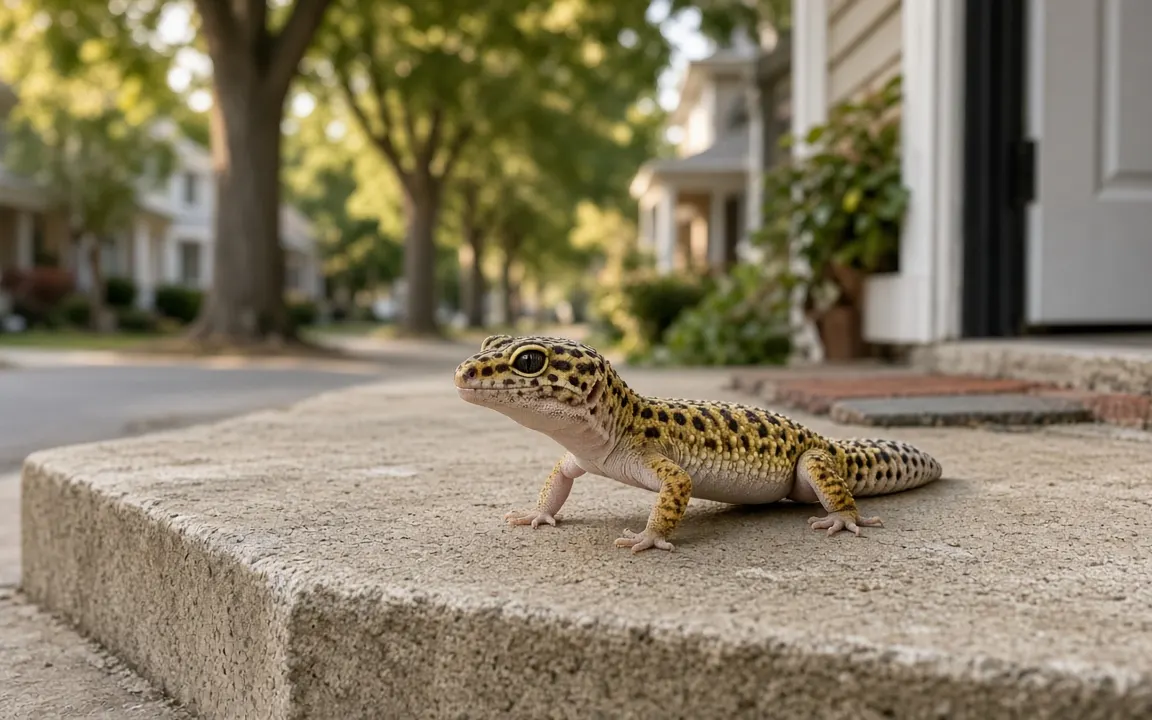
Wilmington, North Carolina
Reptile aftercare in Wilmington: the local picture
Wilmington, the New Hanover County seat, sits on the Cape Fear River a few miles from the Atlantic. Historic downtown streets are lined with live oaks and 19th-century homes, while newer subdivisions and apartment complexes spread toward Wrightsville Beach, Masonboro and south along Carolina Beach Road. Local aftercare providers generally cover the whole county, but ask whether beach-town addresses or the far southern end carry an extra travel fee.
There's little natural cold to buy time in Wilmington. July highs sit near 90F with heavy humidity, and even January nights average in the mid-30s, with no month reliably below freezing. After a loss at home, move your pet to an air-conditioned room, lay it on towels, tuck cold packs along its body, then arrange cremation that day. A garage or porch is usually too warm for waiting.
Many practices around Wilmington close on Sundays and some on Saturday afternoons, which is often exactly when keepers discover a loss. If the body is already stiff and the eyes sunken, an emergency fee buys you nothing: seal it, chill it and call first thing Monday. If there's any doubt at all, keep it warm and phone the emergency line.
Wilmington's population is around 126,809, the 8th-largest of the 64 North Carolina communities we cover.
Nearby, we also have local pages for Leland (9 miles), Jacksonville (46 miles) and North Myrtle Beach (54 miles), which can help if your vet or the provider you prefer is based there.
57.3%[1]
The NFDA projected North Carolina's cremation rate at 57.3% for 2024.
6 million[2]
About 6 million US households keep reptiles.
700,000[3]
There are about 700,000 pet tortoises and turtles in the UK (1.6% of households).
3-5% of body weight[4]
Embrace notes cremated remains typically weigh about 3-5% of the pet's original body weight.
We built the this numbers from Embrace Pet Insurance and American Pet Products Association (APPA) 2025 National Pet Owners Survey release, and both are worth a look if you want the detail.
How North Carolina thinks about cremation
In North Carolina, about 57.3%[1] of people are cremated. That middle ground means most vets offer pet cremation routinely, but fewer have thought about reptiles specifically. If your vet seems unsure about a snake's length or a tortoise's shell, it's perfectly reasonable to contact a crematory directly and ask the questions yourself.
We take the North Carolina rate from NFDA 2024 Cremation & Burial Report state projections (via Occasional Sage) (2024). It is a human statistic; there is no equivalent pet figure for Wilmington, and we would rather show a real number than invent one.
What Wilmington's climate means for aftercare
Wilmington summers are hot, with July highs averaging around 90°F. A reptile's body changes quickly in heat, so once death is confirmed, bring it indoors, seal it in a lidded tub and refrigerate it. A small lizard or snake fits easily on the bottom shelf. For a big tortoise or constrictor that won't fit, ask for same-day collection.
Outdoor tortoise pens are popular in hot places like Wilmington, and big species such as sulcatas dig deep burrows to escape the heat. A tortoise that hasn't come out for a day or two in July may simply be sheltering. Check gently and call a vet if you're worried, rather than digging it out in the midday sun or assuming it has died.
Paying for a reptile's cremation in Wilmington
Most US pet insurance covers only dogs and cats, and one pet insurer says standard policies rarely pay for cremation even then[5]. A few exotic-pet policies exist, so if you insured your reptile, read the wording before you pay any provider in Wilmington. Either way, ask for an itemized receipt; it makes any claim or dispute much simpler.
For a line-by-line price table, see the North Carolina overview; for what's included in each option, see our services.

Free tool
Cremation cost calculator
Estimate a realistic price range for your pet's size, location and the type of cremation.
Rules reptile keepers should know in North Carolina
Few authorities inspect how a pet crematory keeps a small body apart from others, and North Carolina is unlikely to be an exception. That puts the job of asking on you. The rules summarized below cover what you may do with a body or ashes; a promise that your reptile is cremated alone belongs in a written agreement.
To find your county or city office in North Carolina, start with the official North Carolina local government directory.
The North Carolina page sets out who oversees pet cremation and what the state says about burial and scattering. Wilmington's own bylaws can sit on top of that, so ask before you dig.
A calm checklist for keepers in Wilmington
- Note what happened. Check the enclosure temperatures; if there was a power cut or heating failure, tell your vet, especially if you keep other reptiles.
- Look gently for signs of life at normal temperature: a tongue flick, an eye response, a slow breath. Then call a vet to confirm.
- Handle with gloves, and use tongs near the head if the species is venomous. A bite reflex can remain after death.
- Store the body cold in a sealed tub, inside two bags, as soon as the vet has confirmed death.
- Tell the provider about the shell or the size ahead of pickup. Keeping a tortoise shell is possible, but the decision has to come before the cremation, not after.
- Keep a shed or scute if there is one to save: let it dry, then lay it flat behind glass.
- Give yourself time. The quiet of an unlit vivarium can hit hard. There's no rush to take it down.
Remembering your reptile in Wilmington
Sandy soil and frequent flooding near the coast make yard burial a poor choice in much of the Wilmington area, and many residents rent. Cremation fits the way people live here, and the ashes can move with a family that relocates. Many households keep the urn indoors for a while, then decide whether a beach sunrise or a garden spot should be part of the goodbye.
there are guides for the big decisions and articles for the details, or compare your instinct with the poll results, Compare every option on our services page, run the numbers with the free planning tools. Close to Wilmington we also cover Greensboro, Raleigh, Fayetteville and Winston-Salem; the full list for North Carolina and for the United States is a click away.

Reader polls
What would you choose?
Vote anonymously and see how other readers answered. The results are live counts from people who visit this site, so they show real opinions, not a scientific sample.
When your reptile seemed to have died, how sure were you at first?
Tap an answer to vote and see how others answered. Anonymous.
What did you do with the enclosure after your reptile died?
Tap an answer to vote and see how others answered. Anonymous.
If you had to decide today, which aftercare would you choose for your pet?
Tap an answer to vote and see how others answered. Anonymous.

Free tools to help you plan
Cremation cost calculator
Estimate a realistic price range for your pet's size, location and the type of cremation.

Ashes weight estimator
See roughly how much ash to expect back, by species and body weight.

Pet age & senior years calculator
Convert your pet's age and see when senior-care and planning conversations usually start.
Questions people ask
How do North Carolina attitudes to cremation compare?
NFDA 2024 Cremation & Burial Report state projections (via Occasional Sage) (2024) puts the North Carolina human cremation rate at about 57.3%[1]. We show it on the Wilmington page because pet aftercare choices tend to track it: where cremation is normal for people, communal and private pet cremation are both easy to find.
Which nearby towns can I compare with Wilmington?
The closest communities we cover are Leland (about 9 miles), Jacksonville (about 46 miles) and North Myrtle Beach (about 54 miles). Providers based in those places often serve Wilmington too. Ask each one for a written total that includes collection, so the distance is priced in.
How does Wilmington's weather affect reptile aftercare?
July is the hottest month in Wilmington, with average highs around 90°F, so prompt collection matters most then. Winters are mild, with average lows staying above freezing, so outdoor burial or scattering is usually possible year round.
My reptile died within its first year. Is that common?
It's less common than some claims suggest. A peer-reviewed University of Kent survey found only 3.6%[7] of pet snakes, chelonians and lizards died within their first year, though rates varied by species, with chameleons highest. If your reptile died young, a vet can help you understand why, which may protect any others you keep.
Will a crematory near Wilmington accept a snake?
Most pet crematories will cremate a snake, but experience varies. Give the species, weight and length when you call. A long python may need to be coiled into a container that fits the chamber door, and a few smaller operations have a size limit. Ask how often they handle snakes and whether the cremation is private.
Can a vet put my reptile to sleep at home in Wilmington?
Some mobile vets offer home euthanasia for reptiles, but not all, because reptiles need species-specific sedation. Ask whether the vet has experience with your species and whether they can take your reptile to a crematory afterwards. If home visits aren't available, a quiet appointment at the start or end of clinic hours is a gentle alternative.


Sources and our estimates
- [1] The NFDA projected North Carolina's cremation rate at 57.3% for 2024. NFDA 2024 Cremation & Burial Report state projections (via Occasional Sage), 2024.
- [2] About 6 million US households keep reptiles. American Pet Products Association (APPA) 2025 National Pet Owners Survey release, 2025.
- [3] There are about 700,000 pet tortoises and turtles in the UK (1.6% of households). UK Pet Food (formerly PFMA) Pet Population 2026, 2026.
- [4] Embrace notes cremated remains typically weigh about 3-5% of the pet's original body weight. Embrace Pet Insurance - Bury or Cremate Your Dog? Costs, Pros & Cons, 2025.
- [5] Embrace says standard pet insurance typically does not cover cremation, while euthanasia can be covered if medically necessary for a covered condition; cremation is an eligible expense under its optional Wellness Rewards. Embrace Pet Insurance - Bury or Cremate Your Dog? Costs, Pros & Cons, 2025.
- [6] If U.S. reptile-owning households each acquired one reptile a year and first-year mortality matched the UK study (3.6%), about 216,000 new pet reptiles would die within a year; the contested 75% figure would imply 4.5 million. Our estimate: 6,000,000 households x 1 reptile x 3.6%; vs x 75%. How we calculate.
- [7] A University of Kent survey found only 3.6% of pet snakes, chelonians and lizards died within one year of acquisition; boas and pythons had the lowest mortality (1.9%) and chameleons the highest (28.2%). Robinson JE, St John FA, Griffiths RA, Roberts DL. Captive Reptile Mortality Rates in the Home and Implications for the Wildlife Trade. PLoS One, 2015 (PMID 26556237), 2015.
Get reptile cremation options in Wilmington
Tell us what you need and where you are. We'll reply by email with clear options and prices so you can decide in your own time.