Reptile Cremation in South Carolina
Most crematories in South Carolina are set up for cats and dogs. We explain what to ask so your snake, lizard or tortoise is handled with care, and we can email you local options.
- Tiny geckos to giant tortoises
- Straight answers on ash, shells and sheds
- No pressure, no rush
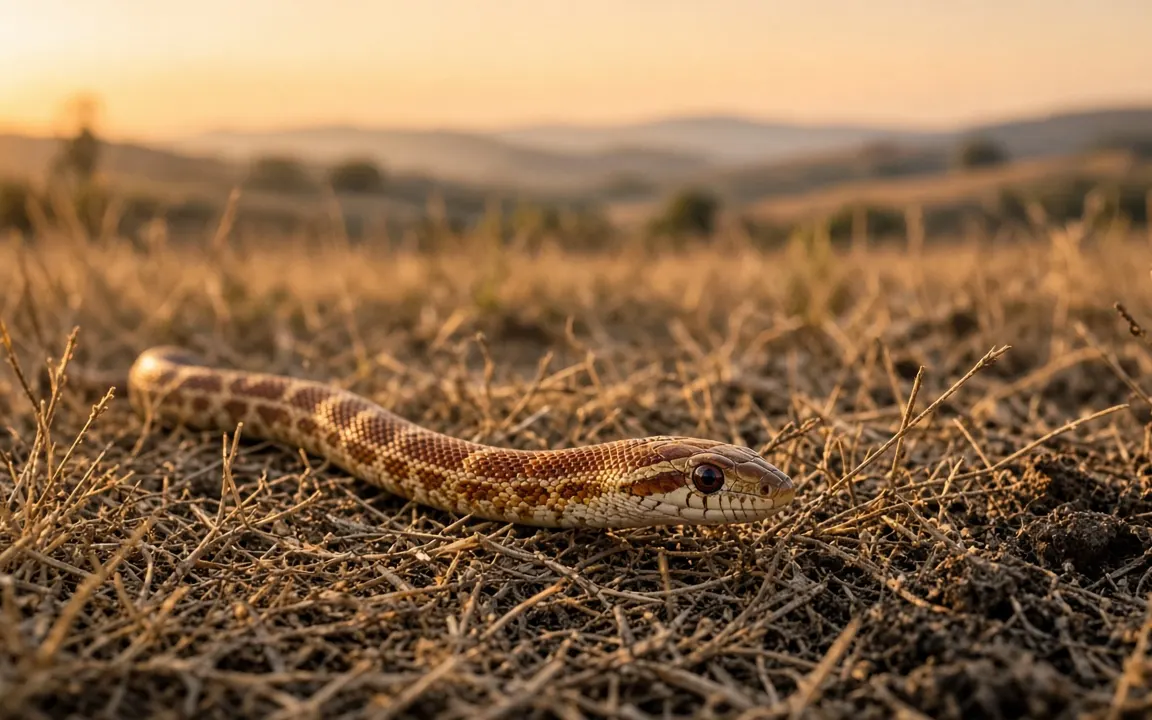
South Carolina, the United States
Reptile Cremation in South Carolina: what to know
Weather across South Carolina affects reptile keepers more than most pet owners. Heat waves and cold snaps test vivarium heating and cooling, power cuts can turn dangerous within hours, and seasonal brumation makes it harder to judge whether a reptile has died. Use this page for the regional picture, then open your own city for local weather and timing.
Reptile aftercare across South Carolina depends less on the law than on two practical things: how far you are from a vet who knows reptiles, and how far from a crematory used to them. In and around Charleston, Columbia and North Charleston, both are usually close at hand. In smaller towns, your local vet can still confirm death and send your reptile on, but expect a few extra days.
We cover 29 communities in South Carolina, from Charleston, Columbia and North Charleston to smaller towns. Conditions vary a lot across South Carolina: summer highs reach about 96°F in Columbia, while winter lows average 30°F in Greenwood. In 0% of the South Carolina communities we cover, average lows drop below freezing for three months or more, which matters for home burial.

Every South Carolina community we cover
Choose your city or town for local prices, weather and timing, and rules. 29 communities in South Carolina, largest first below.
- Charleston159,423 people
- Columbia147,035 people
- North Charleston129,245 people
- Mount Pleasant95,469 people
- Rock Hill75,911 people
- Greenville75,310 people
- Summerville53,177 people
- Goose Creek52,010 people
How South Carolina thinks about cremation
When roughly 56.1%[1] of local funerals in South Carolina are cremations, vets usually have a cremation form ready but may ask fewer questions than you'd like. Volunteer the details yourself: species, weight, length, any shell you want kept and that you'd like the ashes back. A form filled in quickly can default to communal.
That South Carolina rate is a human statistic published by NFDA 2024 Cremation & Burial Report state projections (via Occasional Sage) (2024); there is no pet equivalent, so we use it as a signal of how families here already think.
What reptile cremation costs in South Carolina
Embrace Pet Insurance lists three US tiers: communal at $30 to $200, partitioned at $50 to $250 and private at $100 to $500 or more[2]. Partitioned is the one to question for a reptile in South Carolina, because a tiny gecko's ashes can mingle with a neighbor's in a shared chamber. Ask how separation works, or pay for private.
Expect South Carolina prices to follow size, but only at the top end. Geckos, dragons, corn snakes and box turtles all sit in the lowest band; a big sulcata tortoise or Burmese python is priced like a large dog, and CareCredit's over-90 lb band reaches $350 to $450 for private cremation[3]. Collection, a keepsake urn and a certificate are often extra.
| Weight band (examples) | Communal | Private |
|---|---|---|
| Up to 30 lb (geckos, dragons, most snakes, turtles) | $45 to $75 | $100 to $175 |
| 31 to 50 lb (large monitors, big iguanas) | $50 to $80 | $150 to $250 |
| 51 to 70 lb (leopard tortoises, very large pythons) | $50 to $100 | $200 to $300 |
| 71 to 90 lb (adult sulcata tortoises) | $100 to $150 | $250 to $375 |
| Over 90 lb (the largest tortoises and constrictors) | $150 to $200 | $350 to $450 |
| Source | CareCredit cost guide | Excludes pickup, urn upgrades and euthanasia |

Free tool
Cremation cost calculator
Estimate a realistic price range for your pet's size, location and the type of cremation.
Local rules in South Carolina
Rules on pet burial and ashes are set locally, and South Carolina is no exception. For reptiles, one extra point matters: never bury one in a pot you'll bring indoors or near a vegetable bed, because Salmonella can linger in soil. Beyond that, the general rules for pets in your area apply.
- Burial at home: Confirm the rule for the actual parcel and proposed burial with the local authority and property owner.
- Scattering ashes: Ask the exact land manager about scattering before making arrangements; a general gathering permission is a separate matter.
- Who oversees it: the authority responsible for the specific activity and location; this guide does not identify a universal permit or licensing rule
- Worth knowing: Record the service method, release authority, identification and return instructions in writing.
A city's population does not establish which aftercare activities are allowed at an address. Check the actual site and activity before proceeding.
County and city offices set many of the local rules. To find yours, start with the official South Carolina local government directory.
Who to call and what to do, in order
- Ask how long the clinic can hold your reptile and confirm it will be kept cold. A small body can usually stay there for a few days.
- Say whether you want a post-mortem right at the start; once the body is frozen or cremated, that option is gone.
- Find out which crematory the clinic uses and whether its reptile cremations are individual or shared with other animals.
- Take your reptile home instead if you prefer a garden burial or a different provider. Ask for it in a sealed, labelled container.
- Check the release paperwork: the name, the species and the service you picked ought to appear on the form.
- Ask for a call when the ashes reach the clinic, and whether you can collect them outside the busiest hours.
Sheds, shells and keepsakes
Many keepers in South Carolina hold on to a shed skin as their most personal keepsake, with every scale and marking intact. Dry it fully, handle it with gloves and store it flat in a sealed frame or shadow box. Pair it with a small vial of ashes and a photo, and the whole memorial fits on one shelf.
Compare every option on our services page, try the free planning tools or see how other readers answered in our polls. You can also go back to all locations.

Reader polls
What would you choose?
Vote anonymously and see how other readers answered. The results are live counts from people who visit this site, so they show real opinions, not a scientific sample.
When your reptile seemed to have died, how sure were you at first?
Tap an answer to vote and see how others answered. Anonymous.
Have you ever kept a shed skin, scute or photo of your reptile's markings as a keepsake?
Tap an answer to vote and see how others answered. Anonymous.
If you had to decide today, which aftercare would you choose for your pet?
Tap an answer to vote and see how others answered. Anonymous.

Free tools to help you plan
Cremation cost calculator
Estimate a realistic price range for your pet's size, location and the type of cremation.

Ashes weight estimator
See roughly how much ash to expect back, by species and body weight.

Pet age & senior years calculator
Convert your pet's age and see when senior-care and planning conversations usually start.
Questions people ask
How can I be sure my reptile was cremated on its own in South Carolina?
Ask for the promise in writing. A good provider will state which type of cremation you're paying for, how a small body is tracked from pickup to return and what kind of certificate you'll receive. Some let you be present or drop your reptile off yourself. Vague answers to these questions are a reason to look elsewhere.
Are there pet crematory laws in South Carolina?
Only a minority of US states have pet-crematory-specific licensing or consumer laws, nine by one directory's recent count[5], and just two require written documentation to consumers[6]. Whatever applies in South Carolina, ask any provider to confirm in writing whether your reptile's cremation is private, partitioned or communal.
Where can I scatter my reptile's ashes in South Carolina?
Private land with the owner's permission is simplest. Parks, beaches and public land usually have their own rules, and some ask you to request permission first. A small reptile leaves very little ash, so many keepers bury it in a planter at home or keep it in a pendant instead of scattering.
Is there support for grieving reptile keepers in South Carolina?
Yes. Veterinary schools run free phone support, including Tufts[7] and Cornell[8], and the volunteers take calls from owners of any species. Keepers' clubs and online groups in South Carolina are another source of understanding from people who know exactly what a snake or tortoise can mean to someone.
How long does it take to get a reptile's ashes back in South Carolina?
Many families receive ashes within one to two weeks. In large cities it can be faster; in rural areas where the crematory collects from vets on set days, it may take a little longer. Ask for an expected return date when you book, and whether the ashes come by post or for collection.
Do vets in South Carolina offer home euthanasia for reptiles?
Some do, mostly mobile vets working around larger cities such as Charleston, Columbia and North Charleston. Because sedation differs between a snake, a lizard and a tortoise, ask how often the vet does this for your species and who transports the body afterwards. Where no home service exists, booking the first or last slot of the clinic day keeps things quiet.

Sources and our estimates
- [1] The NFDA projected South Carolina's cremation rate at 56.1% for 2024. NFDA 2024 Cremation & Burial Report state projections (via Occasional Sage), 2024.
- [2] Embrace Pet Insurance lists US communal cremation at $30-$200, partitioned at $50-$250, private at $100-$500+ and aquamation at $80-$450. Embrace Pet Insurance - Bury or Cremate Your Dog? Costs, Pros & Cons, 2025.
- [3] CareCredit lists US communal cremation at $150-$200 and private at $350-$450 for pets over 90 lb. CareCredit (Synchrony) - How Much Does Pet Cremation Cost? (Sept 2023), 2023.
- [4] If U.S. reptile-owning households each acquired one reptile a year and first-year mortality matched the UK study (3.6%), about 216,000 new pet reptiles would die within a year; the contested 75% figure would imply 4.5 million. Our estimate: 6,000,000 households x 1 reptile x 3.6%; vs x 75%. How we calculate.
- [5] Nine US states have pet-crematory-specific licensing or consumer statutes: California, New York, Texas, Arizona, Virginia, Georgia, North Carolina, Maryland and Illinois. FindPetCremations - Pet Cremation Laws & Regulations by State (2026), 2026.
- [6] As of April 2026 only Illinois and Arizona mandated written documentation to consumers for pet cremation. FindPetCremations - Pet Cremation Laws & Regulations by State (2026), 2026.
- [7] Tufts University's Pet Loss Support Helpline (508-839-7966) is free and volunteer-staffed, 6–9 pm ET Monday to Thursday, with 24-hour voicemail. Tufts Cummings School of Veterinary Medicine, 2026.
- [8] Cornell's free Pet Loss Support Hotline (607-218-7457) is staffed by veterinary students trained by professional grief counselors. Cornell University College of Veterinary Medicine, 2026.
Get South Carolina prices for your snake, lizard or tortoise
Tell us what you need and where you are. We'll reply by email with clear options and prices so you can decide in your own time.