Reptile cremation in Suffolk, from geckos to tortoises
A cold or brumating reptile can look lifeless, so the first step is a vet check. After that, this page walks through Suffolk prices, timing, local rules and keepsakes.
- Safe handling and Salmonella tips
- Private or communal, explained simply
- Help with large snakes and heavy tortoises
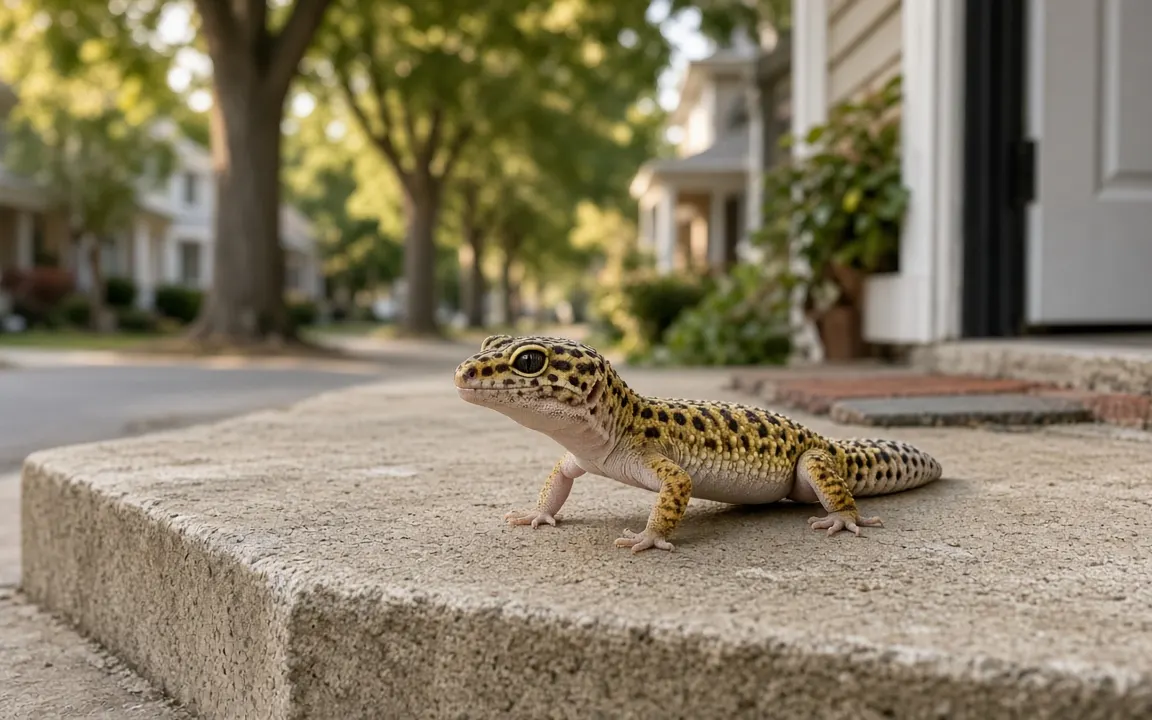
Suffolk, Virginia
Finding reptile-savvy help in Suffolk
By land area Suffolk is the largest city in Virginia, reaching from fresh subdivisions around Harbour View in the north to farm roads along the North Carolina line. Your address changes the logistics: a cul-de-sac near Chesapeake is quick to reach, while a house out past Whaleyville or Holland may add travel time. Ask your vet which cremation service handles your end of the city and whether its drivers come to residences.
Hampton Roads summers run long, hot and sticky, and even March or October can bring a warm spell. When a companion passes in that weather, drape a clean sheet over the body, set it where the AC blows coolest, and aim to hand it to a clinic or collection driver before nightfall. Hurricane season, June through November, can knock out power or flood roads for days, one more reason to make the call promptly.
Reptile keepers in Suffolk often buy food, bulbs and substrate from a local exotic pet store, and the staff there can be surprisingly helpful after a death. They usually know which vets see reptiles, which crematories have handled large snakes and where the nearest keepers' club meets. They can't arrange cremation, but a word from someone who knows the scene helps.
With roughly 104,699 residents, Suffolk is the 9th-largest of the 32 Virginia communities we cover. Chesapeake, roughly 19 miles off, is the closest larger centre, and a share of the providers who cover Suffolk run from there.
Suffolk sits within easy reach of Chesapeake (18 miles, a larger centre), Portsmouth (19 miles) and Norfolk (27 miles, a larger centre). A provider based in any of them will usually collect from Suffolk; ask what the mileage adds to the bill.
55.6%[1]
The NFDA projected Virginia's cremation rate at 55.6% for 2024.
6 million[2]
About 6 million US households keep reptiles.
700,000[3]
There are about 700,000 pet tortoises and turtles in the UK (1.6% of households).
3-5% of body weight[4]
Embrace notes cremated remains typically weigh about 3-5% of the pet's original body weight.
The numbers above come from Embrace Pet Insurance and American Pet Products Association (APPA) 2025 National Pet Owners Survey release, if you'd like to read the original sources.
Burial or cremation? The view from Virginia
Cremation is now the majority choice for people in Virginia, at about 55.6%[1], yet burial remains familiar. Among reptile keepers you'll find both. A tiny gecko buried under a favorite plant is as valid a goodbye as a private cremation, provided you're sure of the death and bury deep enough to keep scavengers away.
NFDA 2024 Cremation & Burial Report state projections (via Occasional Sage) (2024) is where the Virginia figure comes from. It counts people; we use it because attitudes to cremating a pet in Suffolk tend to follow attitudes to cremation generally.
Heat, cold and power cuts in Suffolk
Local weather matters for reptiles in two ways: how stable your vivarium stays through heat waves, cold snaps and power cuts, and whether burying outdoors is practical. A provider serving Suffolk will know the seasons well, so ask what they'd suggest at this time of year for a reptile the size of yours.
Budgeting for a snake, lizard or tortoise in Suffolk
Small pets pay the most per pound. By our estimate, private cremation works out at roughly $9 a pound for a 15 lb pet and about $4 a pound at 60 lb[5]. A 1 lb bearded dragon in Suffolk usually pays the same minimum as that 15 lb pet, so the number worth comparing is each provider's lowest private price.
Rather than repeat the price table on every city page, we keep one for Virginia: Virginia costs. What each service includes is on the services page.

Free tool
Cremation cost calculator
Estimate a realistic price range for your pet's size, location and the type of cremation.
Rules reptile keepers should know in Virginia
Cremating a reptile needs no permit, but what happens around it can be regulated in Virginia: burying on your own land, scattering ashes and, for some species, what you may do with the body or the shell. It pays to know the basics before you decide. If your reptile needed a permit to keep, check that permit's conditions too.
Not sure which office covers Suffolk? The Virginia local government directory is the official list.
The rules that apply across Virginia (home burial, scattering and who oversees pet cremation) are summarized on our Virginia page. Suffolk may add its own conditions, so check with the city or county before digging.
A calm checklist for keepers in Suffolk
- Confirm the death first. A cold, sick or brumating reptile can look lifeless. Keep it at its usual enclosure temperature and ask a reptile or exotics vet to check for a heartbeat.
- Put on disposable gloves every time you touch the body, then scrub your hands for 20 seconds or more once you're done. Salmonella is common in reptiles.
- Double-bag the body and place it in a lidded, labelled tub in the fridge, away from food. Freeze it only if the wait will be long and you don't want a post-mortem.
- Decide about keepsakes now: a shed skin from the enclosure, a photo of the markings or, for a tortoise, whether to keep the shell.
- Contact a provider yourself or via your clinic, and tell them the species, how heavy it is and, if it's a snake, how long. Or ask us to send you local options.
- Ask for a written total that says whether the cremation is private, partitioned or communal.
- Leave the enclosure for now when other reptiles share your home, and give it a full clean before any new animal moves in.
Remembering your reptile in Suffolk
The Great Dismal Swamp, the Nansemond River and reservoirs such as Lake Meade shape Suffolk's landscape, and many residents fish, paddle or hike near the water. Later, some owners hope to bring some ashes back to an outdoor place that felt like theirs. Federal refuges and city reservoirs set strict rules, so call the refuge office or city first, or choose a garden bed or shade tree at home.
browse in-depth guides or recent articles, run the numbers with the free planning tools, See what each option includes on our services page, or look at how readers voted in our polls. You can also browse every city in the United States. Nearby, we also cover Norfolk, Newport News, Chesapeake and Arlington, and every city in Virginia.

Reader polls
What would you choose?
Vote anonymously and see how other readers answered. The results are live counts from people who visit this site, so they show real opinions, not a scientific sample.
When your reptile seemed to have died, how sure were you at first?
Tap an answer to vote and see how others answered. Anonymous.
For a small lizard or gecko, would you still choose private cremation knowing only a pinch of ash may come back?
Tap an answer to vote and see how others answered. Anonymous.
If you had to decide today, which aftercare would you choose for your pet?
Tap an answer to vote and see how others answered. Anonymous.

Free tools to help you plan
Cremation cost calculator
Estimate a realistic price range for your pet's size, location and the type of cremation.

Ashes weight estimator
See roughly how much ash to expect back, by species and body weight.

Pet age & senior years calculator
Convert your pet's age and see when senior-care and planning conversations usually start.
Questions people ask
Where are the providers that serve Suffolk actually based?
Some are local, and some run from Chesapeake, about 19 miles away. That is normal for a city this size. What matters is the collection time they quote for Suffolk and whether the drive is priced into the total, so ask both up front.
Which nearby towns can I compare with Suffolk?
The closest communities we cover are Chesapeake (about 18 miles), Portsmouth (about 19 miles) and Norfolk (about 27 miles). Providers based in those places often serve Suffolk too. Ask each one for a written total that includes collection, so the distance is priced in.
How do Virginia attitudes to cremation compare?
NFDA 2024 Cremation & Burial Report state projections (via Occasional Sage) (2024) puts the Virginia human cremation rate at about 55.6%[1]. We show it on the Suffolk page because pet aftercare choices tend to track it: where cremation is normal for people, communal and private pet cremation are both easy to find.
My reptile died within its first year. Is that common?
It's less common than some claims suggest. A peer-reviewed University of Kent survey found only 3.6%[7] of pet snakes, chelonians and lizards died within their first year, though rates varied by species, with chameleons highest. If your reptile died young, a vet can help you understand why, which may protect any others you keep.
Is it safe to handle my reptile's body?
Yes, with basic hygiene. Reptiles often carry Salmonella, so wear disposable gloves, double-bag the body, keep it away from food and wash your hands for at least 20 seconds afterwards. Keep young children and anyone with a weakened immune system away. For venomous species, use tongs near the head, because a bite reflex can remain.
Can my children help bury our pet turtle?
They can take part without handling the body. Turtles and other reptiles often carry Salmonella, and health officials at the CDC recommend that under-fives not touch reptiles or anything in their enclosures. Let an adult place the turtle, sealed, in the ground, and let children choose the spot, add a stone or plant a flower. Everyone should wash their hands well afterwards.


Sources and our estimates
- [1] The NFDA projected Virginia's cremation rate at 55.6% for 2024. NFDA 2024 Cremation & Burial Report state projections (via Occasional Sage), 2024.
- [2] About 6 million US households keep reptiles. American Pet Products Association (APPA) 2025 National Pet Owners Survey release, 2025.
- [3] There are about 700,000 pet tortoises and turtles in the UK (1.6% of households). UK Pet Food (formerly PFMA) Pet Population 2026, 2026.
- [4] Embrace notes cremated remains typically weigh about 3-5% of the pet's original body weight. Embrace Pet Insurance - Bury or Cremate Your Dog? Costs, Pros & Cons, 2025.
- [5] Private cremation cost per pound falls with size in the US: roughly $9.2/lb for a 15 lb pet, $4.2/lb at 60 lb and about $4.0/lb at 100 lb. Our estimate: band midpoint price / representative weight: 0-30 lb (midpoint $137.50 / 15 lb) = $9.17/lb; 51-70 lb ($250 / 60 lb) = $4.17/lb; over 90 lb ($400 / ~100 lb) = $4.00/lb. How we calculate.
- [6] If U.S. reptile-owning households each acquired one reptile a year and first-year mortality matched the UK study (3.6%), about 216,000 new pet reptiles would die within a year; the contested 75% figure would imply 4.5 million. Our estimate: 6,000,000 households x 1 reptile x 3.6%; vs x 75%. How we calculate.
- [7] A University of Kent survey found only 3.6% of pet snakes, chelonians and lizards died within one year of acquisition; boas and pythons had the lowest mortality (1.9%) and chameleons the highest (28.2%). Robinson JE, St John FA, Griffiths RA, Roberts DL. Captive Reptile Mortality Rates in the Home and Implications for the Wildlife Trade. PLoS One, 2015 (PMID 26556237), 2015.
Find a Suffolk provider that accepts reptiles
Tell us what you need and where you are. We'll reply by email with clear options and prices so you can decide in your own time.