Is your reptile dead, or brumating? How to tell, gently and safely
Warm your reptile slowly to its normal daytime temperature for a few hours, then check for a response to gentle touch: a tongue flick, a blink, a leg pulling back. No response after warming, sunken eyes and a slack mouth point to death, but only a vet listening for a heartbeat can be certain.
By the Reptile Cremation Services editorial team · Updated September 24, 2026 · 4 min read · Sources
- A safe, step-by-step check you can do at home
- Species that fake death or hibernate cold
- What never to do while you're unsure
Why it's so confusing
Why can a living reptile look dead?
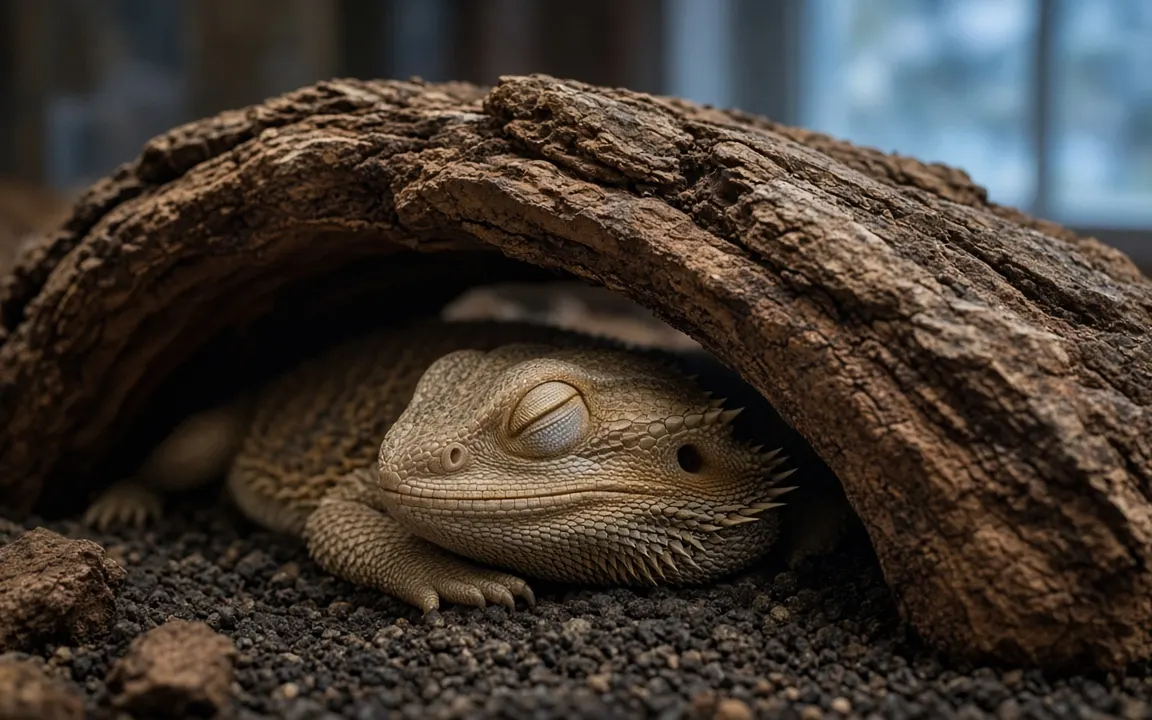
Reptiles take their body heat from their surroundings. When they're cold, everything slows: breathing can pause for minutes, the heart may beat only a few times a minute, and the animal stops responding. In the wild that's how they survive winter. In a house, it can look exactly like death.
Brumation is the reptile version of winter slow-down, common in bearded dragons, many snakes and box turtles. They sleep deeply for weeks, eat nothing and may barely move. Hibernation in tortoises is deeper again: many UK keepers hibernate Mediterranean tortoises in a dedicated fridge at a steady, low temperature, so a cold, motionless tortoise in a fridge is usually alive.
The check
How do you check whether your reptile has died?
- Warm it slowly. Return it to its enclosure with the heat on, or place it in a box in a warm room, at its normal daytime temperature. Give it two to four hours.
- Watch the breathing. Look at the sides of the body or the throat for a slow rise and fall. Give it a full minute or two; cold reptiles breathe rarely.
- Touch gently. Lightly touch the corner of the eye, the tail tip or a back foot. A living reptile usually blinks, flicks its tongue or pulls away, even if slowly.
- Check the righting reflex. Gently turn a lizard or snake onto its back. Most living animals try to turn over, though sick ones may be slow.
- Look at the eyes and mouth. Deeply sunken, cloudy eyes and a mouth that stays open are signs of death, but they also occur in severe dehydration.
If there's still no response after a few hours of warmth, it's likely your reptile has died. A reptile or exotics vet can confirm it in minutes with a Doppler probe, which picks up even a very slow heartbeat. Many keepers find that confirmation is what lets them start to grieve. If your usual vet doesn't treat reptiles, the Association of Reptile and Amphibian Veterinarians lists members who do.
When your reptile seemed to have died, how sure were you at first?
Tap an answer to vote and see how others answered. Anonymous.
Species quirks
Which reptiles are most likely to fool you?
| Reptile | What happens | What to look for |
|---|---|---|
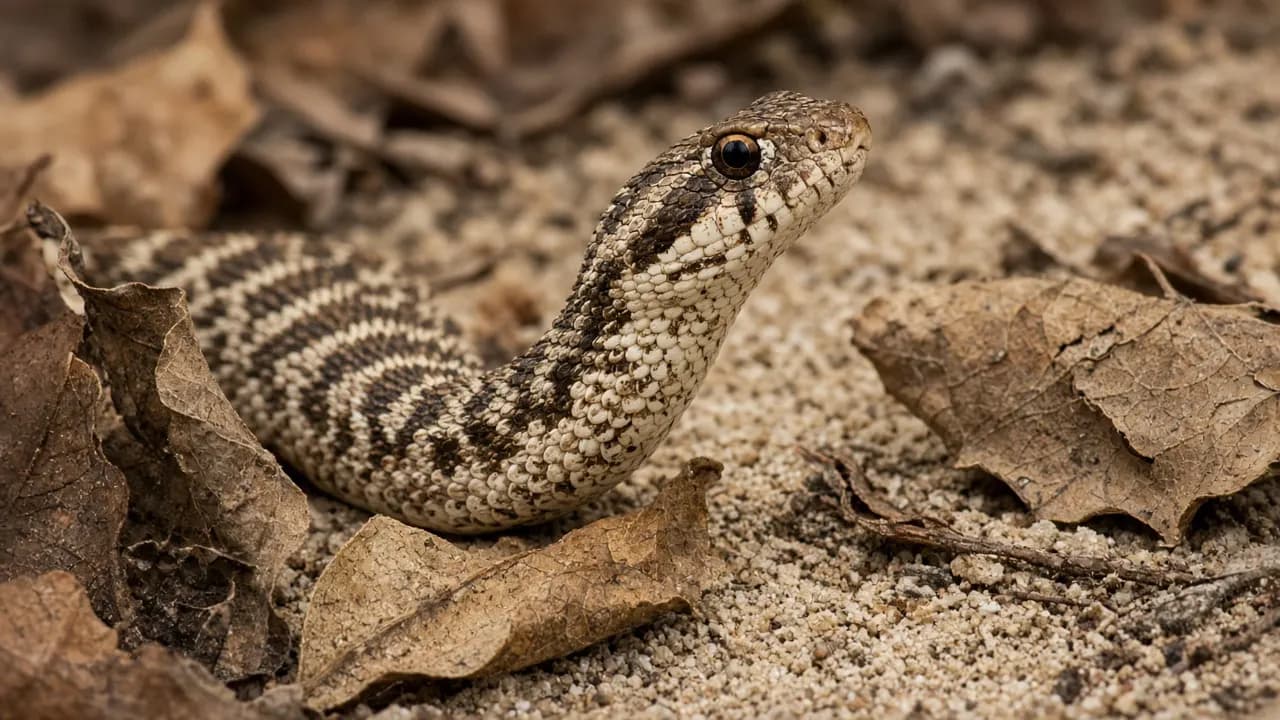
| Hognose snakes | Play dead when frightened: roll over, mouth open, tongue out, even release a smell | Turn it right side up; it will often flip back over. Leave it alone somewhere quiet for 20 minutes |
| Bearded dragons | Brumate for weeks in winter, sleeping in a hide | Slow breathing, a response to gentle touch, weight holding steady |
| Tortoises | Hibernate cold, often for months | Weigh monthly; a response when a back leg is gently drawn out |
| Box turtles | Brumate buried or in a cool corner | Shell closed tightly is a living sign; a limp, open shell is not |
| Snakes in general | Lie still and cold for long periods | Tongue flick or slight muscle tension when gently lifted |
Turtles and tortoises make up 43%[1] of US reptile-keeping households, and there are about 700,000[2] in UK homes, so hibernation questions come up every winter. A long-standing rule of thumb among UK tortoise keepers is to weigh a hibernating tortoise monthly and wake it if it loses more than about 1% of its body weight in a month.
When it's clear
What are the definite signs that a reptile has died?
Some signs leave little doubt, even before a vet visit: stiffness that develops and later relaxes, a body that stays completely limp and unresponsive after hours of warmth, skin that has begun to discolor, a smell of decay, or flies gathering. A tortoise whose legs and head hang loose from the shell, rather than being drawn in, has almost certainly died.
If you see these signs, you don't need to rush, but you do need to cool your reptile once you're sure. Our guide to moving a reptile safely covers gloves, bags and storage. If you keep other reptiles and the death was unexpected, ask your vet about a post-mortem before anything else; our intake guide explains why.
Understanding
Why did my reptile die?
Often it's age. Captive lifespans vary hugely, from a few years for chameleons to decades for tortoises and leopard geckos.[3] The pet age calculator shows where your reptile was in its expected lifespan, which can help make sense of a death that feels sudden.

Free tool
Pet age & senior years calculator
Convert your pet's age and see when senior-care and planning conversations usually start.
You may have read that most pet reptiles die within a year. That figure is widely repeated, but it's disputed.[4] A peer-reviewed University of Kent study found only 3.6%[5] died within a year of being acquired. Illness in reptiles is often hidden until late, and a death rarely means a keeper did something wrong. Even that low rate adds up: by our rough estimate, if every US reptile household took on one new reptile a year, it would still mean about 216,000 new pet reptiles dying within their first year across US reptile households.[6] A sudden death is painful, but it isn't a rare failing on your part.
If your reptile has died
What should you do next?
Take a breath. Once death is confirmed and your reptile is chilled, there's time to decide. The main choices are cremation, where you can keep the ashes, and burial. The aftercare options comparison shows both for your reptile's size, and our cremation vs burial guide explains which suits which situation.

Free tool
Aftercare options compared
Compare private, communal and water cremation with burial on cost, timing and what comes home.
If your reptile was ill for a while, quality of life and saying goodbye may help you make sense of the last weeks. Our page on grief after losing a reptile is there for the days ahead. When you're ready, tell us about your reptile and we'll email local options.

Reader polls
What would you choose?
Vote anonymously and see how other readers answered. The results are live counts from people who visit this site, so they show real opinions, not a scientific sample.
When your reptile seemed to have died, how sure were you at first?
Tap an answer to vote and see how others answered. Anonymous.
Which reptile are you planning aftercare for?
Tap an answer to vote and see how others answered. Anonymous.
If you had to decide today, which aftercare would you choose for your pet?
Tap an answer to vote and see how others answered. Anonymous.

Questions people ask
How long can a reptile go without breathing?
Longer than you'd expect. A cold reptile may breathe only a few times a minute, and some turtles and tortoises can go much longer between breaths. That's why watching for breathing alone isn't a reliable test. Warm your reptile slowly, then look for breathing and a response to touch over several minutes.
Can a reptile die during brumation or hibernation?
Yes. Reptiles that go into brumation underweight or ill are at higher risk, and tortoises can die if they get too cold or too warm while hibernating. Weigh your reptile before and during the winter rest, and wake it and call a vet if it loses weight fast or shows signs of illness.
My bearded dragon hasn't moved for days. Is it brumating?
It may be, especially in autumn or winter. Brumating dragons usually tuck into a hide, respond sluggishly when touched and hold their weight. If your dragon is thin, has sunken eyes, is lying in the open, or it isn't the season for brumation, take it to a reptile vet.
Should I put my reptile in the freezer if I think it's dead?
Not until you're sure. Freezing a living reptile is cruel and, sadly, it does happen when keepers mistake brumation for death. Warm it slowly and get a vet to confirm if you're in any doubt. Once death is certain, refrigerate first, and freeze only for a long wait.
Can a vet confirm death over the phone?
No. A vet can talk you through the signs, but confirming death in a reptile really needs a Doppler probe or a physical exam, because the heartbeat can be very slow. Many clinics will fit in a quick check. It's worth the trip for your peace of mind.
What does rigor mortis look like in a reptile?
The body stiffens over the hours after death, then relaxes again later. In a cold reptile, the timing can be slower and less obvious than in mammals, so stiffness alone isn't a reliable test. Combine it with warmth, lack of response and a vet's check.


Sources and our estimates
- [1] Among US reptile-owning households, 43% keep turtles or tortoises and 22% keep snakes. American Pet Products Association (APPA) 2025 National Pet Owners Survey release, 2025.
- [2] There are about 700,000 pet tortoises and turtles in the UK (1.6% of households). UK Pet Food (formerly PFMA) Pet Population 2026, 2026.
- [3] Average captive lifespans: ball python 15-20 years, boa constrictor 15-25, corn snake 10-15, bearded dragon 5-10, green iguana 5-15, leopard gecko 20+, eastern box turtle 25-50, leopard tortoise 50+. Merck Veterinary Manual - Table: Average Life Span of Reptiles in Captivity.
- [4] An often-quoted claim by an animal-protection group that about 75% of pet reptiles die in the home within their first year is disputed by the peer-reviewed Kent study, which found a much lower rate. Animal Protection Agency (advocacy group) press release on reptile mortality debate, 2015.
- [5] A University of Kent survey found only 3.6% of pet snakes, chelonians and lizards died within one year of acquisition; boas and pythons had the lowest mortality (1.9%) and chameleons the highest (28.2%). Robinson JE, St John FA, Griffiths RA, Roberts DL. Captive Reptile Mortality Rates in the Home and Implications for the Wildlife Trade. PLoS One, 2015 (PMID 26556237), 2015.
- [6] If U.S. reptile-owning households each acquired one reptile a year and first-year mortality matched the UK study (3.6%), about 216,000 new pet reptiles would die within a year; the contested 75% figure would imply 4.5 million. Our estimate: 6,000,000 households x 1 reptile x 3.6%; vs x 75%. How we calculate.
If it's confirmed, we can help with what's next
Tell us what you need and where you are. We'll reply by email with clear options and prices so you can decide in your own time.