Saying goodbye to your reptile in Fairbanks
Whether your reptile is a gecko or a 70-pound tortoise, you have time to get this right. Here's how to confirm death, what cremation costs in Fairbanks and how to find a provider used to reptiles.
- Safe handling and Salmonella tips
- Private or communal, explained simply
- Help with large snakes and heavy tortoises
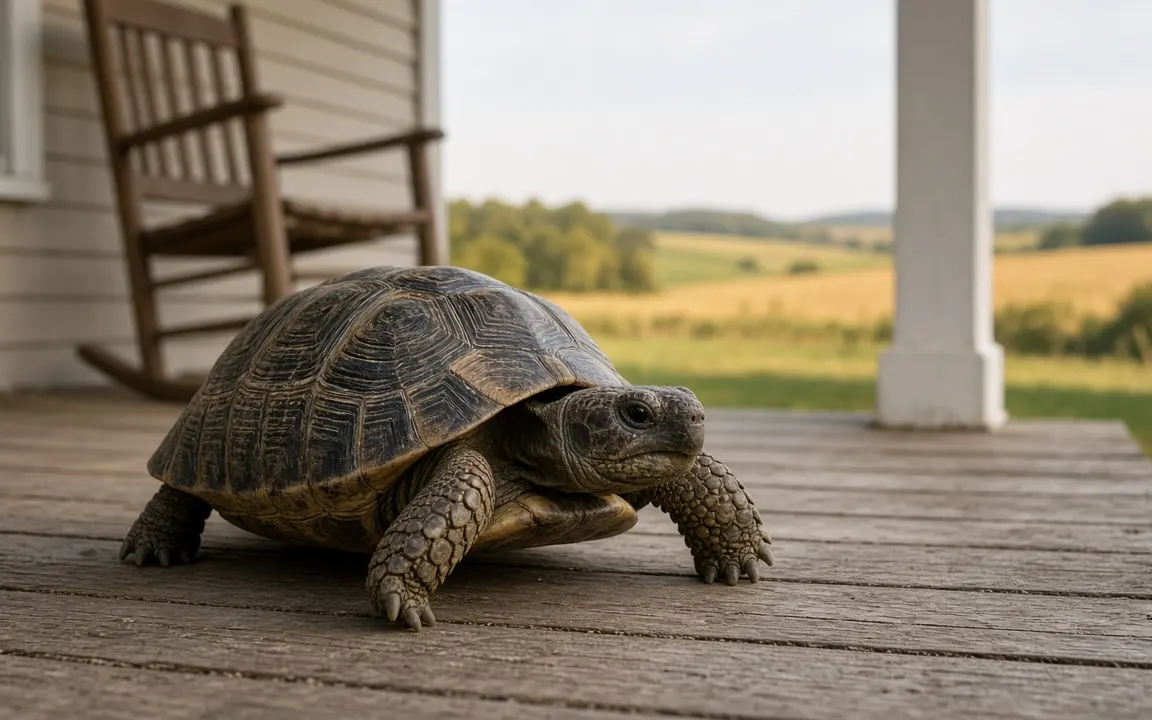
Fairbanks, Alaska
Getting reptile aftercare sorted in Fairbanks
Fairbanks sits in Alaska's Interior, roughly 360 road miles from Anchorage up the Parks Highway, so the practical questions about a pet's aftercare are local ones. Many households live on wooded lots or dry cabins out along the Chena and Goldstream roads rather than in town, and winter driving on ice in the dark changes how quickly anyone can collect. Anyone you contact will want to know how far out you are, whether your road is plowed, and if you have a vehicle that can carry your pet into town.
Summer in Fairbanks brings nearly round-the-clock daylight, and people make the most of it along the Chena River, at Creamer's Field and on the trails around the university. Those long evenings are often where the memories of a pet live, and many families keep ashes until the following summer to scatter them somewhere green. Wildfire smoke can close in during dry summers, so a scattering plan is worth keeping flexible.
A small town like Fairbanks can make the grief feel lonelier, because fewer people around you keep reptiles or understand the bond. Online keepers' groups fill that gap for many people. They're also a practical resource: someone there has almost certainly arranged cremation for a snake or tortoise from a rural area and can tell you how it went.
Fairbanks is home to about 31,468 people, the 3rd-largest of the 10 Alaska communities we cover.
74.1%[1]
The NFDA projected Alaska's cremation rate at 74.1% for 2024.
6 million[2]
About 6 million US households keep reptiles.
700,000[3]
There are about 700,000 pet tortoises and turtles in the UK (1.6% of households).
3-5% of body weight[4]
Embrace notes cremated remains typically weigh about 3-5% of the pet's original body weight.
To check the figures yourself, see Embrace Pet Insurance and American Pet Products Association (APPA) 2025 National Pet Owners Survey release.
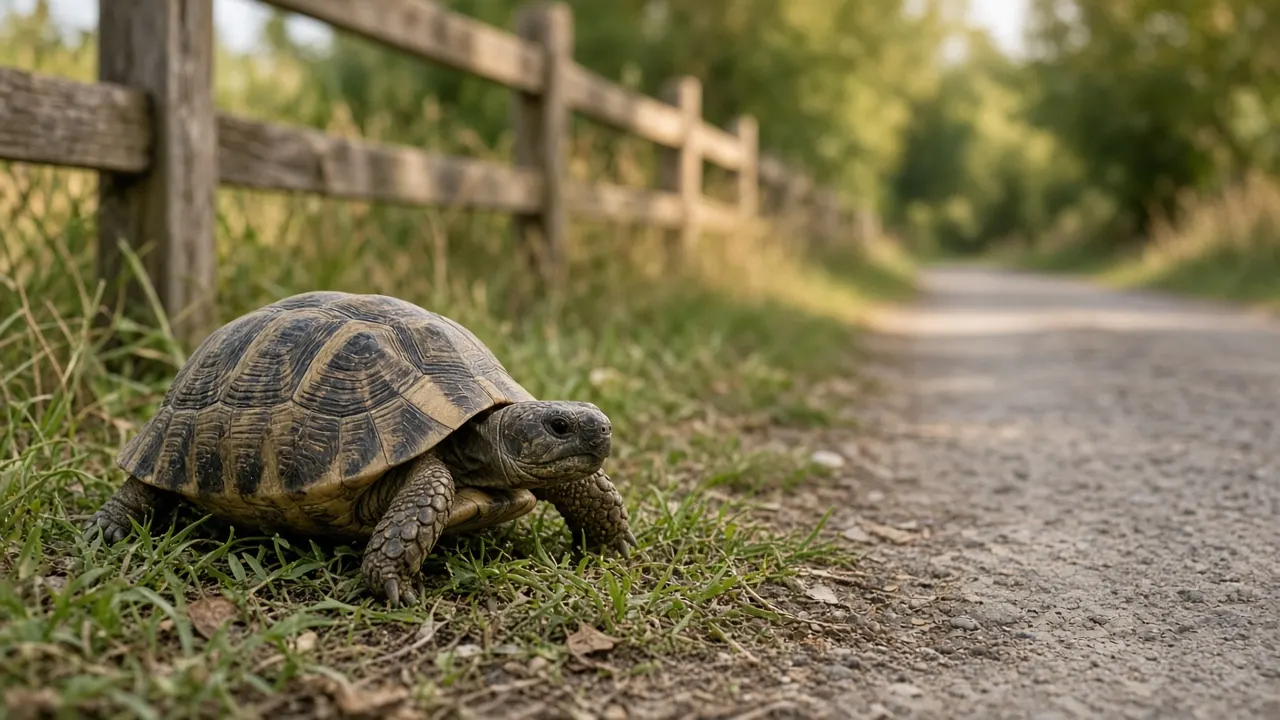
Cremation customs in Alaska, applied to reptiles
Because cremation is the norm in Alaska, where the human rate stands near 74.1%[1], some pet crematories let owners be present at the start. Few keepers ask for this with a reptile, but you can. It is one way to be certain a small body was handled on its own, and some providers charge a modest fee for it.
The Alaska percentage above is from NFDA 2024 Cremation & Burial Report state projections (via Occasional Sage) (2024) and refers to human funerals. Treat it as context for Fairbanks, not as a count of pets.
Seasons, brumation and timing in Fairbanks
Tortoise keepers in cold places like Fairbanks often hibernate their animals in a temperature-controlled box or a dedicated fridge through January, February, March, April, October, November and December. Weigh your tortoise regularly while it sleeps; slow weight loss is expected, but a sudden drop is a reason to wake it and call a vet. If one doesn't survive hibernation, ask about a post-mortem before cremation.
Short winter days in Fairbanks mean less basking and less UVB for several months, and some older reptiles decline over the winter. If you sense yours is near the end, planning in the fall lets you choose a vet, a provider and a keepsake calmly, instead of on an icy evening in January.
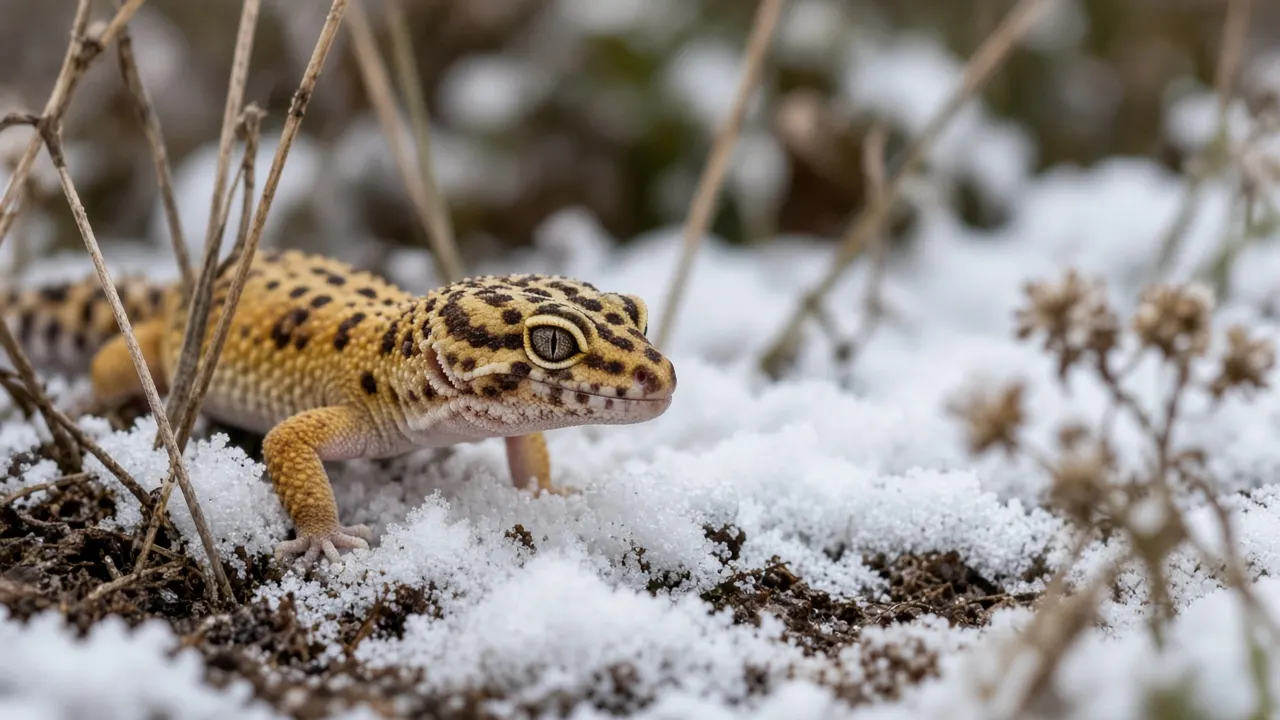
Budgeting for a snake, lizard or tortoise in Fairbanks
Expect Fairbanks prices to follow size, but only at the top end. Geckos, dragons, corn snakes and box turtles all sit in the lowest band; a big sulcata tortoise or Burmese python is priced like a large dog, and CareCredit's over-90 lb band reaches $350 to $450 for private cremation[5]. Collection, a keepsake urn and a certificate are often extra.
We keep the detailed Alaska price table on one page so it stays current: see Alaska prices.

Free tool
Cremation cost calculator
Estimate a realistic price range for your pet's size, location and the type of cremation.
Rules reptile keepers should know in Alaska
Rules on pet burial and ashes are set locally, and Alaska is no exception. For reptiles, one extra point matters: never bury one in a pot you'll bring indoors or near a vegetable bed, because Salmonella can linger in soil. Beyond that, the general rules for pets in your area apply.
The official Alaska local government directory lists every county and city office, which is the quickest way to find who to ask in Fairbanks.
Home burial and scattering are governed at the Alaska level first; our Alaska rules summary has the detail. Then check whether Fairbanks or your HOA adds anything.
A calm checklist for keepers in Fairbanks
- Note what happened. Check the enclosure temperatures; if there was a power cut or heating failure, tell your vet, especially if you keep other reptiles.
- Look gently for signs of life at normal temperature: a tongue flick, an eye response, a slow breath. Then call a vet to confirm.
- Handle with gloves, and use tongs near the head of any venomous species, because the bite reflex doesn't always stop when the heart does.
- Store the body cold in a sealed tub, double-bagged, once death is confirmed.
- Tell the provider about the shell or the size before collection. A tortoise shell can be kept, but only if you decide before cremation.
- Keep a shed or scute if you have one; dry it and store it flat in a frame.
- Give yourself time. A dark, silent vivarium is a hard thing to walk past, and it can stay up as long as you need.
Honoring a long, quiet bond
With January lows well below zero and the ground frozen from October into spring, backyard burial is simply not possible for much of the year in Fairbanks. That is one reason many families here choose cremation, or keep their pet cold and safe until the ground thaws. If a pet dies in deep winter, a garage or unheated shed will hold the body, but ask a vet or provider about timing before assuming you can wait until breakup.
read our guides and latest articles, try the free planning tools, or compare your instinct with the poll results, Our services overview lays out every option side by side. If you live between Fairbanks and Ketchikan, Sitka, Wasilla and Juneau, either page applies. Every other community in Alaska, and all of the United States, is listed too.

Reader polls
What would you choose?
Vote anonymously and see how other readers answered. The results are live counts from people who visit this site, so they show real opinions, not a scientific sample.
If your tortoise or turtle died, what would you want done with the shell?
Tap an answer to vote and see how others answered. Anonymous.
For a small lizard or gecko, would you still choose private cremation knowing only a pinch of ash may come back?
Tap an answer to vote and see how others answered. Anonymous.
If you had to decide today, which aftercare would you choose for your pet?
Tap an answer to vote and see how others answered. Anonymous.

Free tools to help you plan
Cremation cost calculator
Estimate a realistic price range for your pet's size, location and the type of cremation.

Ashes weight estimator
See roughly how much ash to expect back, by species and body weight.

Pet age & senior years calculator
Convert your pet's age and see when senior-care and planning conversations usually start.
Questions people ask
When is the hardest time of year to arrange a burial in Fairbanks?
January, February, March, April, October, November and December: average lows are below freezing then, and frozen ground makes a home grave slow or impossible until it thaws. The other pressure point is July, when highs around 71°F mean a body needs cooling and collecting quickly.
Why does the Fairbanks page quote a human cremation rate?
Because it is the best local signal we have. NFDA 2024 Cremation & Burial Report state projections (via Occasional Sage) (2024) reports about 74.1%[1] of Alaska residents are cremated. There is no official pet equivalent, and inventing one would be worse than quoting a real, clearly labelled number.
How long until I get my reptile's ashes back?
Many families get private cremation ashes back within one to two weeks, and 5-10 days[7] is commonly quoted in the US. From a smaller town, where the crematory may collect only on certain days, it can take longer. Ask for an expected return date when you book, and whether the ashes come by post or for collection.
My reptile died within its first year. Is that common?
It's less common than some claims suggest. A peer-reviewed University of Kent survey found only 3.6%[8] of pet snakes, chelonians and lizards died within their first year, though rates varied by species, with chameleons highest. If your reptile died young, a vet can help you understand why, which may protect any others you keep.
Is communal cremation a respectful choice for a reptile?
Yes. In communal cremation your reptile is cremated with other animals and no ashes come back, but reputable providers handle it with the same care and scatter or bury the ashes together in a dedicated place. It suits keepers who don't want an urn at home. Ask where the shared ashes go; some providers can tell you the location so you can visit.
What happens if my reptile dies while I'm on vacation?
Your sitter should put on gloves, wrap the body in a sealed bag, put that in a lidded container in the fridge and take photos of the enclosure and thermostat. Then phone your vet, who may agree to hold the body until you're back. You don't need to rush home: a sealed, chilled body keeps for days. Check your other animals as soon as you return, especially if heating was involved.


Sources and our estimates
- [1] The NFDA projected Alaska's cremation rate at 74.1% for 2024. NFDA 2024 Cremation & Burial Report state projections (via Occasional Sage), 2024.
- [2] About 6 million US households keep reptiles. American Pet Products Association (APPA) 2025 National Pet Owners Survey release, 2025.
- [3] There are about 700,000 pet tortoises and turtles in the UK (1.6% of households). UK Pet Food (formerly PFMA) Pet Population 2026, 2026.
- [4] Embrace notes cremated remains typically weigh about 3-5% of the pet's original body weight. Embrace Pet Insurance - Bury or Cremate Your Dog? Costs, Pros & Cons, 2025.
- [5] CareCredit lists US communal cremation at $150-$200 and private at $350-$450 for pets over 90 lb. CareCredit (Synchrony) - How Much Does Pet Cremation Cost? (Sept 2023), 2023.
- [6] Published ashes-return times across the network's markets range from same-day (paid express) to about 4 weeks; a conservative typical window is 3-14 days. Our estimate: min/max across sources: Lambeth 3 days; US 5-10 days; RSPCA QLD within 14 days; AniCura Sweden 2-4 weeks. How we calculate.
- [7] A US aftercare guide says many families receive private cremation ashes within about one to two weeks, with 5-10 days commonly quoted. Funeral.com - Pet Cremation Timelines: How Long Until Ashes Are Returned, 2026.
- [8] A University of Kent survey found only 3.6% of pet snakes, chelonians and lizards died within one year of acquisition; boas and pythons had the lowest mortality (1.9%) and chameleons the highest (28.2%). Robinson JE, St John FA, Griffiths RA, Roberts DL. Captive Reptile Mortality Rates in the Home and Implications for the Wildlife Trade. PLoS One, 2015 (PMID 26556237), 2015.
Get Fairbanks prices for your snake, lizard or tortoise
Tell us what you need and where you are. We'll reply by email with clear options and prices so you can decide in your own time.