Reptile cremation in San Dimas
Losing a reptile you've cared for over many years is hard, and people don't always understand. We explain the San Dimas options plainly and can send prices from providers that accept reptiles.
- Confirm death before anything is decided
- Providers in San Dimas that accept reptiles
- Written prices by size, by email
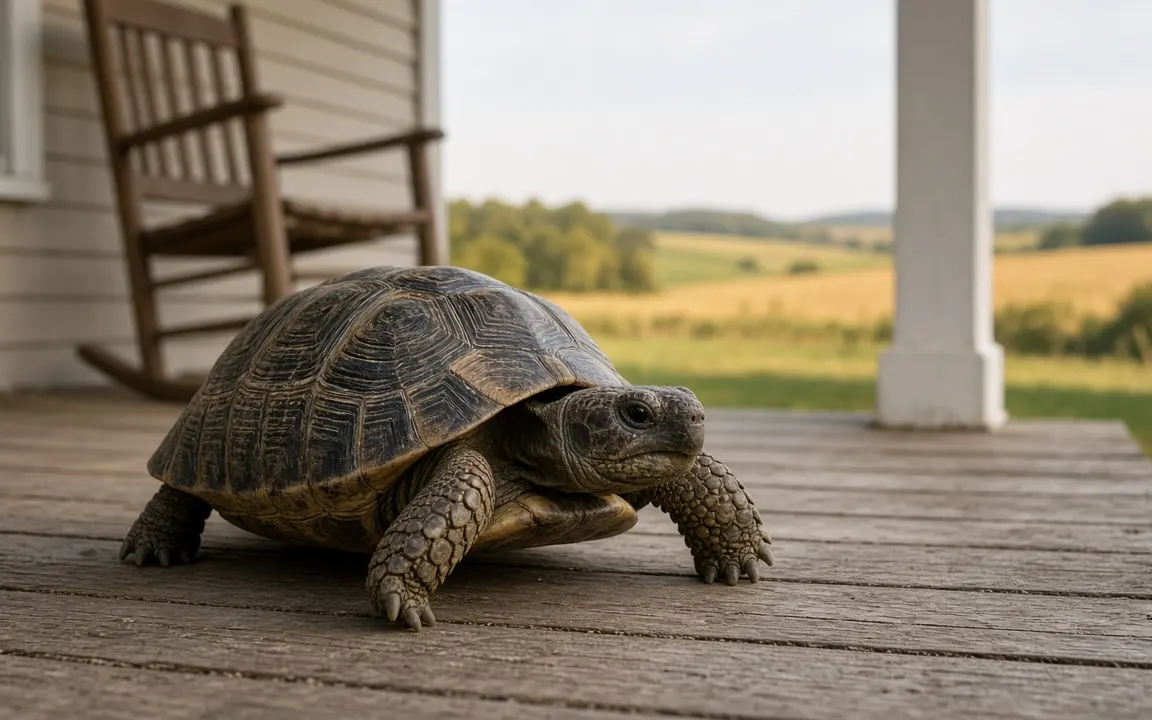
San Dimas, California
What arranging reptile cremation in San Dimas is like
San Dimas sees long, hot summers, with August averaging around 91F and some days topping 100F, and Santa Ana winds can bring dry heat and fire danger in autumn. Winters are mild. If your pet dies during hot weather, keep them in an air-conditioned or shaded room on a towel, with frozen packs in cloth beside them, and request a same-afternoon pickup rather than waiting until morning.
Coyotes, bobcats and other wildlife roam the San Dimas foothills and often cross backyards at night. If you are thinking of burying a pet on your own land, dig at least three feet down and lay heavy stones or pavers over the grave so nothing can disturb it. Many foothill families avoid that worry by choosing cremation with the ashes brought home, which also means the memory stays with you if you move.
Ashes from a crematory far from San Dimas often come back by post or courier. For a reptile that's a tiny parcel, but it's worth asking how it's packed, whether it's tracked and whether someone must sign for it. If you'd rather not receive ashes in the mail, ask whether your vet can hold them for you instead.
With roughly 32,978 residents, San Dimas is the 201st-largest of the 307 California communities we cover. Anaheim, roughly 20 miles off, is the closest larger centre, and a share of the providers who cover San Dimas run from there.
Our pages for La Verne (2 miles), Glendora (3 miles) and Covina (4 miles) describe the same choices from those towns' point of view, and the providers overlap, so a quote from one often covers San Dimas as well.
70.5%[1]
The NFDA projected California's cremation rate at 70.5% for 2024.
6 million[2]
About 6 million US households keep reptiles.
700,000[3]
There are about 700,000 pet tortoises and turtles in the UK (1.6% of households).
3-5% of body weight[4]
Embrace notes cremated remains typically weigh about 3-5% of the pet's original body weight.
To check the figures yourself, see UK Pet Food (formerly PFMA) Pet Population 2026 and American Pet Products Association (APPA) 2025 National Pet Owners Survey release.
Burial or cremation? The view from California
Roughly 70.5%[1] of deaths in California end in cremation, so many families already have an urn or two at home. That shapes what keepers here tend to do: a reptile's ashes often join a shelf of family keepsakes rather than a garden plot. If that's your plan, a small container that matches the others looks more settled than a separate display.
The California figure comes from NFDA 2024 Cremation & Burial Report state projections (via Occasional Sage) (2024). It describes people, not pets, so read it as a sign of local attitudes rather than a pet statistic.
Timing a goodbye around San Dimas's weather
In San Dimas's hottest weeks, don't leave your reptile's body in a car, garage or outdoor shed, even briefly, and don't carry it to the vet in a thin bag. Use a lidded tub with a wrapped ice pack beside it, not on top. If the vet is some distance away, make the trip early in the morning or in the evening during August.
San Dimas summers are hot, with August highs averaging around 91°F. A reptile's body changes quickly in heat, so once death is confirmed, bring it indoors, seal it in a lidded tub and refrigerate it. A small lizard or snake fits easily on the bottom shelf. For a big tortoise or constrictor that won't fit, ask for same-day collection.
What reptile cremation costs in San Dimas
Small pets pay the most per pound. By our estimate, private cremation works out at roughly $9 a pound for a 15 lb pet and about $4 a pound at 60 lb[5]. A 1 lb bearded dragon in San Dimas usually pays the same minimum as that 15 lb pet, so the number worth comparing is each provider's lowest private price.
The California price table breaks costs down by size; our services page explains what sits behind each line.

Free tool
Cremation cost calculator
Estimate a realistic price range for your pet's size, location and the type of cremation.
Permits, paperwork and burial in California
Most decisions after a reptile dies are yours to make. The exceptions are burial, scattering and anything involving a regulated species. Some reptiles are covered by wildlife-trade or invasive-species rules, which can affect selling or giving away a shell and mean a sick or dead reptile should never be released or dumped outdoors. Everything else follows the general pet rules for California.
California keeps an official directory of local governments; use it to reach the county or city office that covers San Dimas.
For California's rules on burying a pet at home or scattering ashes, see the California guide. Local rules in San Dimas can be stricter than the state's, especially in homeowners' associations and rentals.
Step by step, from first check to ashes
- Ask how long the clinic can hold your reptile and confirm it will be kept cold. A small body can usually stay there for a few days.
- Say whether you want a post-mortem before anything is arranged, because freezing and cremation both rule it out later.
- Find out which crematory the clinic uses and ask if reptiles there are cremated alone or together with other animals.
- Take your reptile home instead if you prefer a garden burial or a different provider. Ask for it in a sealed, labelled container.
- Check the release paperwork: your reptile's name, species and the service you chose should all be written on it.
- Ask for a call when the ashes reach the clinic, and find out if a quieter time can be arranged for collecting them.
Sheds, shells and keepsakes
San Dimas lies where the eastern San Gabriel Valley meets the mountains, in Los Angeles County, about 20 miles from Anaheim, with a small Western-styled downtown along Bonita Avenue and neighborhoods climbing toward the foothills. Many homes sit on generous lots, and some streets in the northern part of town wind up into the hills. When requesting collection, mention gates, steep drives and long private roads.
the planning tools turn your pet's details into figures, or compare your instinct with the poll results, The services page is the place to compare what is included, there are guides for the big decisions and articles for the details. More local pages: San Diego, Fresno, San Jose and Sacramento, the California overview and every city in the United States.

Reader polls
What would you choose?
Vote anonymously and see how other readers answered. The results are live counts from people who visit this site, so they show real opinions, not a scientific sample.
When your reptile seemed to have died, how sure were you at first?
Tap an answer to vote and see how others answered. Anonymous.
What did you do with the enclosure after your reptile died?
Tap an answer to vote and see how others answered. Anonymous.
If you had to decide today, which aftercare would you choose for your pet?
Tap an answer to vote and see how others answered. Anonymous.

Free tools to help you plan
Cremation cost calculator
Estimate a realistic price range for your pet's size, location and the type of cremation.
Ashes weight estimator
See roughly how much ash to expect back, by species and body weight.

Pet age & senior years calculator
Convert your pet's age and see when senior-care and planning conversations usually start.
Questions people ask
How do California attitudes to cremation compare?
NFDA 2024 Cremation & Burial Report state projections (via Occasional Sage) (2024) puts the California human cremation rate at about 70.5%[1]. We show it on the San Dimas page because pet aftercare choices tend to track it: where cremation is normal for people, communal and private pet cremation are both easy to find.
Where are the providers that serve San Dimas actually based?
Some are local, and some run from Anaheim, about 20 miles away. That is normal for a town this size. What matters is the collection time they quote for San Dimas and whether the drive is priced into the total, so ask both up front.
Can a provider from a neighbouring town collect from San Dimas?
Usually yes. La Verne is about 2 miles away, Glendora is about 3 miles away and Covina is about 4 miles away, all inside a normal collection radius. Get the mileage written into the quote so there is no surprise on the day.
When is the hardest time of year to arrange a burial in San Dimas?
There is no frozen-ground season here; average lows stay above freezing all year. The other pressure point is August, when highs around 91°F mean a body needs cooling and collecting quickly.
My reptile died within its first year. Is that common?
It's less common than some claims suggest. A peer-reviewed University of Kent survey found only 3.6%[7] of pet snakes, chelonians and lizards died within their first year, though rates varied by species, with chameleons highest. If your reptile died young, a vet can help you understand why, which may protect any others you keep.
Can any vet in San Dimas confirm my reptile has died?
Yes. Any vet can confirm death, even one that mostly sees cats and dogs, though a reptile or exotics vet is more used to it. The most reliable check uses a Doppler probe to listen for a very slow heartbeat. Call ahead, mention the species, and keep your reptile at its normal temperature until you get there.


Sources and our estimates
- [1] The NFDA projected California's cremation rate at 70.5% for 2024. NFDA 2024 Cremation & Burial Report state projections (via Occasional Sage), 2024.
- [2] About 6 million US households keep reptiles. American Pet Products Association (APPA) 2025 National Pet Owners Survey release, 2025.
- [3] There are about 700,000 pet tortoises and turtles in the UK (1.6% of households). UK Pet Food (formerly PFMA) Pet Population 2026, 2026.
- [4] Embrace notes cremated remains typically weigh about 3-5% of the pet's original body weight. Embrace Pet Insurance - Bury or Cremate Your Dog? Costs, Pros & Cons, 2025.
- [5] Private cremation cost per pound falls with size in the US: roughly $9.2/lb for a 15 lb pet, $4.2/lb at 60 lb and about $4.0/lb at 100 lb. Our estimate: band midpoint price / representative weight: 0-30 lb (midpoint $137.50 / 15 lb) = $9.17/lb; 51-70 lb ($250 / 60 lb) = $4.17/lb; over 90 lb ($400 / ~100 lb) = $4.00/lb. How we calculate.
- [6] If U.S. reptile-owning households each acquired one reptile a year and first-year mortality matched the UK study (3.6%), about 216,000 new pet reptiles would die within a year; the contested 75% figure would imply 4.5 million. Our estimate: 6,000,000 households x 1 reptile x 3.6%; vs x 75%. How we calculate.
- [7] A University of Kent survey found only 3.6% of pet snakes, chelonians and lizards died within one year of acquisition; boas and pythons had the lowest mortality (1.9%) and chameleons the highest (28.2%). Robinson JE, St John FA, Griffiths RA, Roberts DL. Captive Reptile Mortality Rates in the Home and Implications for the Wildlife Trade. PLoS One, 2015 (PMID 26556237), 2015.
Get reptile cremation options in San Dimas
Tell us what you need and where you are. We'll reply by email with clear options and prices so you can decide in your own time.