Reptile cremation in Georgetown, from geckos to tortoises
Whether your reptile is a gecko or a 70-pound tortoise, you have time to get this right. Here's how to confirm death, what cremation costs in Georgetown and how to find a provider used to reptiles.
- Safe handling and Salmonella tips
- Private or communal, explained simply
- Help with large snakes and heavy tortoises
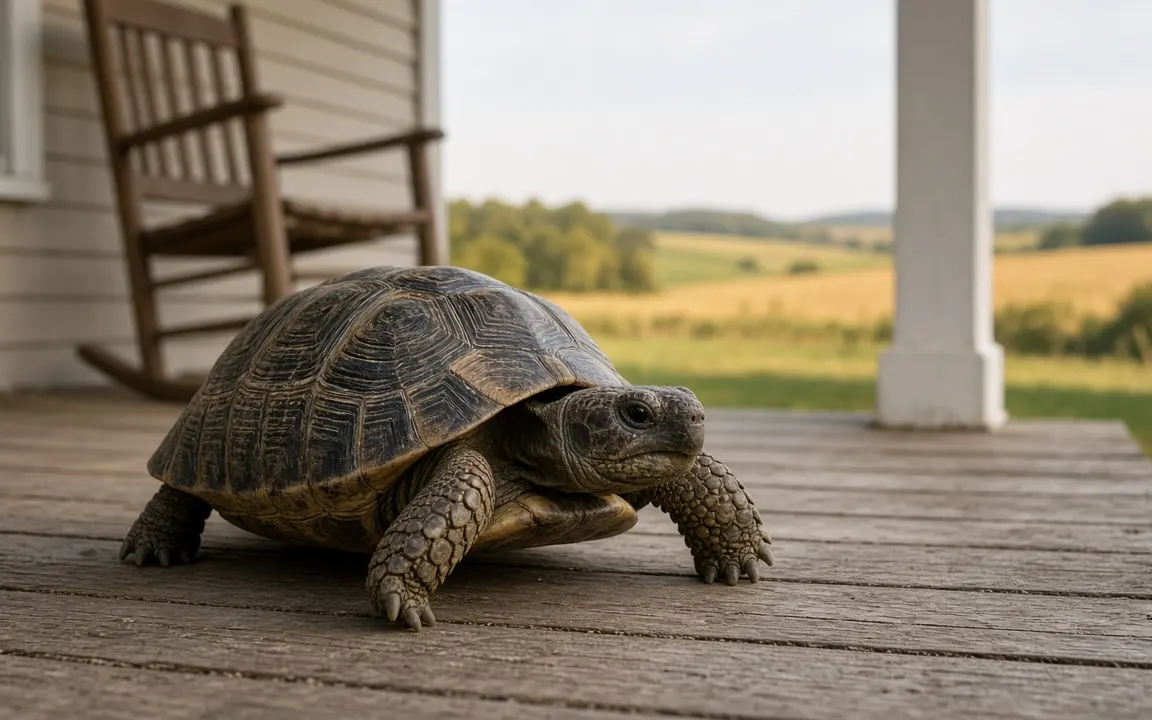
Georgetown, Delaware
What arranging reptile cremation in Georgetown is like
Georgetown is the Sussex County seat, a small inland town laid out around The Circle, where the courthouse and county offices sit, roughly sixteen miles from the beaches at Lewes and Rehoboth. Homes range from older frame houses near the center to newer subdivisions and rural lots on the roads out toward Redden and Millsboro. When you call about collection, say whether you are inside town limits or out on a county road, and give a landmark.
Georgetown is home to many working families, including a large Guatemalan and wider Latino community, and households differ in how they prefer to handle a pet's body. Some bury on their own land; others prefer cremation. If you rent, check with your landlord before digging. A private cremation with the ashes returned is portable, while communal cremation costs less. Ask whether a Spanish-speaking contact is available if that helps.
In a smaller place like Georgetown, the nearest vet who really knows reptiles may be an hour or more away, often in a larger centre such as Georgetown. Your local vet can still help: any vet can confirm death with a stethoscope or Doppler, keep your reptile refrigerated and send it to the crematory they use for cats and dogs. Call them first and mention the species.
About 8,291 people live in Georgetown, which makes it the 8th-largest of the 11 Delaware communities we cover.
Georgetown sits within easy reach of Millsboro (8 miles), Seaford (12 miles) and Milford (15 miles). A provider based in any of them will usually collect from Georgetown; ask what the mileage adds to the bill.
59.7%[1]
The NFDA projected Delaware's cremation rate at 59.7% for 2024.
6 million[2]
About 6 million US households keep reptiles.
700,000[3]
There are about 700,000 pet tortoises and turtles in the UK (1.6% of households).
3-5% of body weight[4]
Embrace notes cremated remains typically weigh about 3-5% of the pet's original body weight.
None of the figures on this this page are ours alone: they rest on Embrace Pet Insurance and American Pet Products Association (APPA) 2025 National Pet Owners Survey release.
Local attitudes to cremation and burial
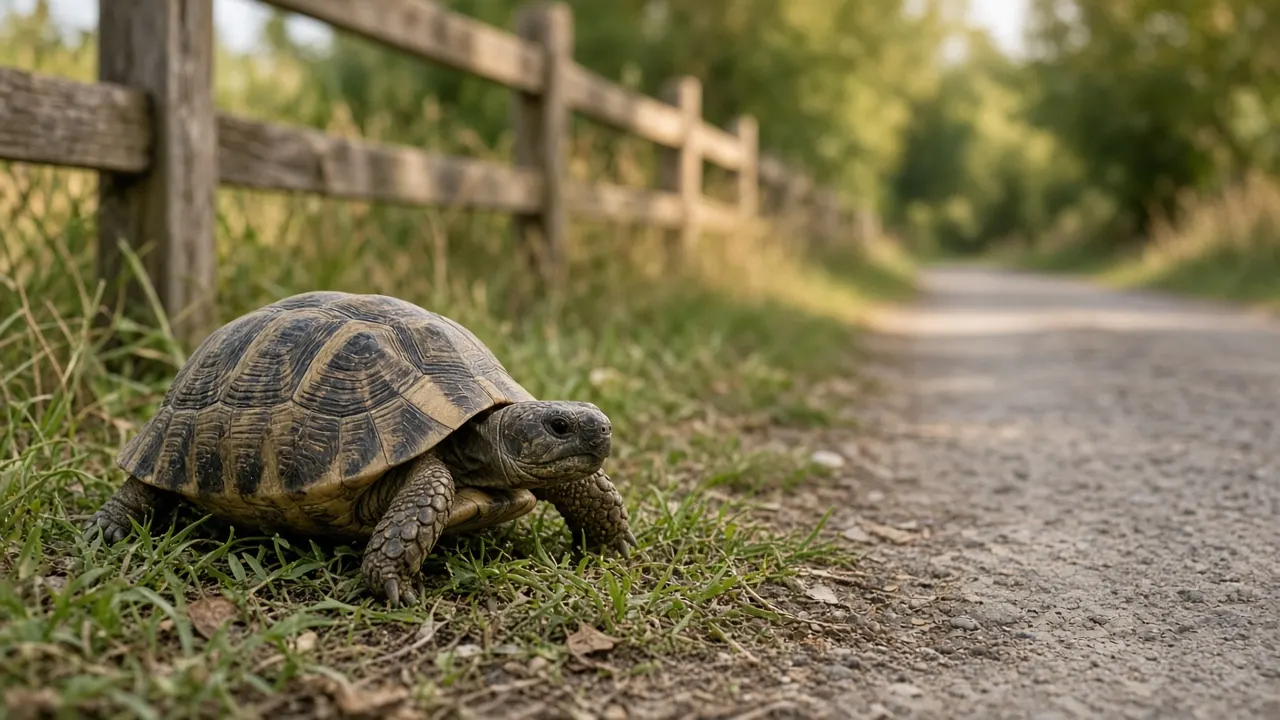
Cremation is now the majority choice for people in Delaware, at about 59.7%[1], yet burial remains familiar. Among reptile keepers you'll find both. A tiny gecko buried under a favorite plant is as valid a goodbye as a private cremation, provided you're sure of the death and bury deep enough to keep scavengers away.
That Delaware rate is a human one, published by NFDA 2024 Cremation & Burial Report state projections (via Occasional Sage) (2024). We quote it for Georgetown only as a pointer to how families here already think about cremation.
Georgetown weather and your reptile
Space heaters come out in January, February and December, and many reptile rooms lean on them. A stuck thermostat can overheat a small enclosure fast. If your reptile died near a heater, ask the vet to look for burns, and check the thermostat and wiring before any other animal goes back in that room.
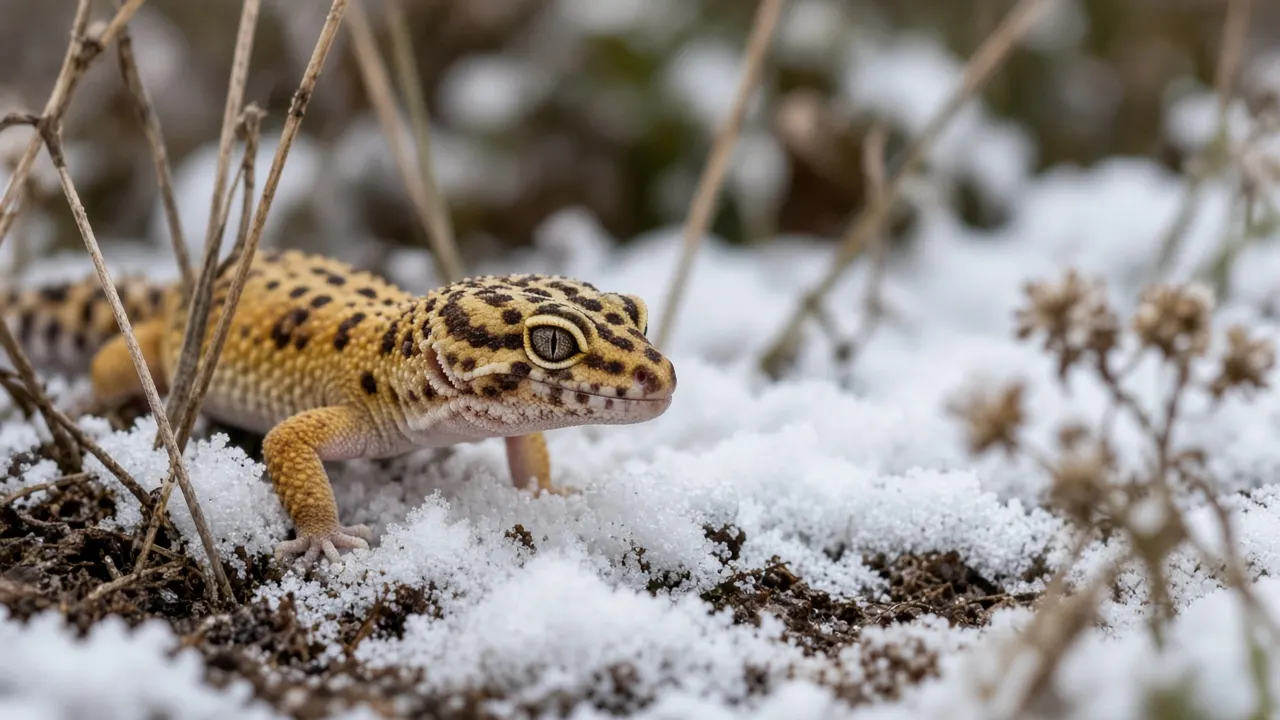
Georgetown has average lows at or below freezing in January, February and December, and that's when many reptiles naturally slow down for brumation. A brumating snake or tortoise can look lifeless for weeks. Before you assume the worst in winter, keep it at its normal temperature and ask a reptile vet to check for a heartbeat. Never freeze an animal you aren't certain has died.
Budgeting for a snake, lizard or tortoise in Georgetown
Most US pet insurance covers only dogs and cats, and one pet insurer says standard policies rarely pay for cremation even then[5]. A few exotic-pet policies exist, so if you insured your reptile, read the wording before you pay any provider in Georgetown. Either way, ask for an itemized receipt; it makes any claim or dispute much simpler.
The Delaware price table breaks costs down by size; our services page explains what sits behind each line.

Free tool
Cremation cost calculator
Estimate a realistic price range for your pet's size, location and the type of cremation.
Rules reptile keepers should know in Delaware
Moving remains is simpler than moving a live reptile, but a shell from a protected tortoise species can still need paperwork if it crosses a national border. If you might one day move abroad with your tortoise's shell or ashes, hold on to the certificate or permit issued with the animal. The notes below cover what Delaware allows closer to home.
To find your county or city office in Delaware, start with the official Delaware local government directory.
The rules that apply across Delaware (home burial, scattering and who oversees pet cremation) are summarized on our Delaware page. Georgetown may add its own conditions, so check with the city or county before digging.
What to do when your reptile dies in Georgetown
- Note what happened. Check the enclosure temperatures; if there was a power cut or heating failure, tell your vet, especially if you keep other reptiles.
- Look gently for signs of life with the tank at its usual warmth: the tongue, the eyes, the faint rise of a breath. A vet should then make the confirmation.
- Handle with gloves, and use tongs near the head if the species is venomous. A bite reflex can remain after death.
- Store the body cold in a sealed tub, inside two bags, as soon as the vet has confirmed death.
- Tell the provider about the shell or the size before collection. A tortoise shell can be kept, but only if you decide before cremation.
- Keep a shed or scute if there is one to save: let it dry, then lay it flat behind glass.
- Give yourself time. A dark, silent vivarium is a hard thing to walk past, and it can stay up as long as you need.
Ways to remember a reptile locally
Summer in Georgetown is long and hot, with August afternoons around 88F and thick humidity, and freezing nights come mostly between December and February. Being well inland, the town escapes the worst coastal surge, yet heavy tropical rain still arrives some Septembers. After a pet dies in that heat, a shaded interior room with the blinds drawn is the place to rest them while the family decides.
go deeper with the guides or catch up on recent articles, use the free tools before you ring anyone, See what each option includes on our services page, or compare your instinct with the poll results. More local pages: Wilmington, Middletown, Milford and Newark, the Delaware overview and every city in the United States.

Reader polls
What would you choose?
Vote anonymously and see how other readers answered. The results are live counts from people who visit this site, so they show real opinions, not a scientific sample.
Have you ever kept a shed skin, scute or photo of your reptile's markings as a keepsake?
Tap an answer to vote and see how others answered. Anonymous.
What did you do with the enclosure after your reptile died?
Tap an answer to vote and see how others answered. Anonymous.
If you had to decide today, which aftercare would you choose for your pet?
Tap an answer to vote and see how others answered. Anonymous.

Free tools to help you plan
Cremation cost calculator
Estimate a realistic price range for your pet's size, location and the type of cremation.

Ashes weight estimator
See roughly how much ash to expect back, by species and body weight.

Pet age & senior years calculator
Convert your pet's age and see when senior-care and planning conversations usually start.
Questions people ask
When is the hardest time of year to arrange a burial in Georgetown?
January, February and December: average lows are below freezing then, and frozen ground makes a home grave slow or impossible until it thaws. The other pressure point is July, when highs around 88°F mean a body needs cooling and collecting quickly.
Can a provider from a neighbouring town collect from Georgetown?
Usually yes. Millsboro is about 8 miles away, Seaford is about 12 miles away and Milford is about 15 miles away, all inside a normal collection radius. Get the mileage written into the quote so there is no surprise on the day.
Is cremation common in Delaware?
For people, yes: about 59.7%[1] of Delaware deaths end in cremation, according to NFDA 2024 Cremation & Burial Report state projections (via Occasional Sage) (2024). Nobody publishes the same figure for pets, but in our experience pet choices in Georgetown follow the human pattern closely, so cremation is the default most families here start from.
Do crematories near Georgetown take venomous snakes?
Many will, but you must tell them the species in advance. Handle the head only with tongs, place the body in a rigid, sealed container and label it clearly. Venom remains dangerous after death, and a bite reflex can persist for a while. Some providers ask for extra handling time, which may affect the price.
What if my outdoor tortoise is found cold and still in Georgetown?
Don't assume it has died. A tortoise caught out by a cold night can become deeply torpid. Move it somewhere sheltered, let it warm gradually to its normal temperature without hot water or direct heat, and call a reptile vet. Only once death is confirmed should you think about freezing, burial or cremation.
How can I tell if my reptile is brumating or has died?
It can be genuinely hard. A brumating reptile may breathe only a few times an hour and barely respond to touch. Keep it at its normal winter temperature, watch for a tongue flick or slight eye movement, and ask a reptile vet to check for a heartbeat with a Doppler probe. Don't freeze or bury until death is confirmed.


Sources and our estimates
- [1] The NFDA projected Delaware's cremation rate at 59.7% for 2024. NFDA 2024 Cremation & Burial Report state projections (via Occasional Sage), 2024.
- [2] About 6 million US households keep reptiles. American Pet Products Association (APPA) 2025 National Pet Owners Survey release, 2025.
- [3] There are about 700,000 pet tortoises and turtles in the UK (1.6% of households). UK Pet Food (formerly PFMA) Pet Population 2026, 2026.
- [4] Embrace notes cremated remains typically weigh about 3-5% of the pet's original body weight. Embrace Pet Insurance - Bury or Cremate Your Dog? Costs, Pros & Cons, 2025.
- [5] Embrace says standard pet insurance typically does not cover cremation, while euthanasia can be covered if medically necessary for a covered condition; cremation is an eligible expense under its optional Wellness Rewards. Embrace Pet Insurance - Bury or Cremate Your Dog? Costs, Pros & Cons, 2025.
- [6] The median price multiple of private (ashes returned) over communal cremation across 8 markets is about 2.0x, ranging from 1.25x (Tokyo) to 5.2x (Auckland). Our estimate: median(private_price / communal_price) same weight band: US CareCredit 51-70 lb midpoints (250/75) = 3.33x; Auckland 15-25 kg (445/85) = 5.24x; Norway 1-20 kg (3790/1190) = 3.18x; Singapore 10-20 kg (480/260) = 1.85x; Ontario 25-250 lb (549/279) = 1.97x; Tokyo 20-30 kg (38500/30800) = 1.25x; France 20 kg midpoints (200/95) = 2.11x; Germany range midpoints (270/145) = 1.86x. How we calculate.
Find a Georgetown provider that accepts reptiles
Tell us what you need and where you are. We'll reply by email with clear options and prices so you can decide in your own time.