Reptile Cremation in Delaware
Losing a reptile you've cared for over many years is hard, and people don't always understand. We explain the Delaware options plainly and can send prices from providers that accept reptiles.
- Honest Delaware costs for small pets
- Shell and shed keepsakes planned early
- Local weather and brumation advice
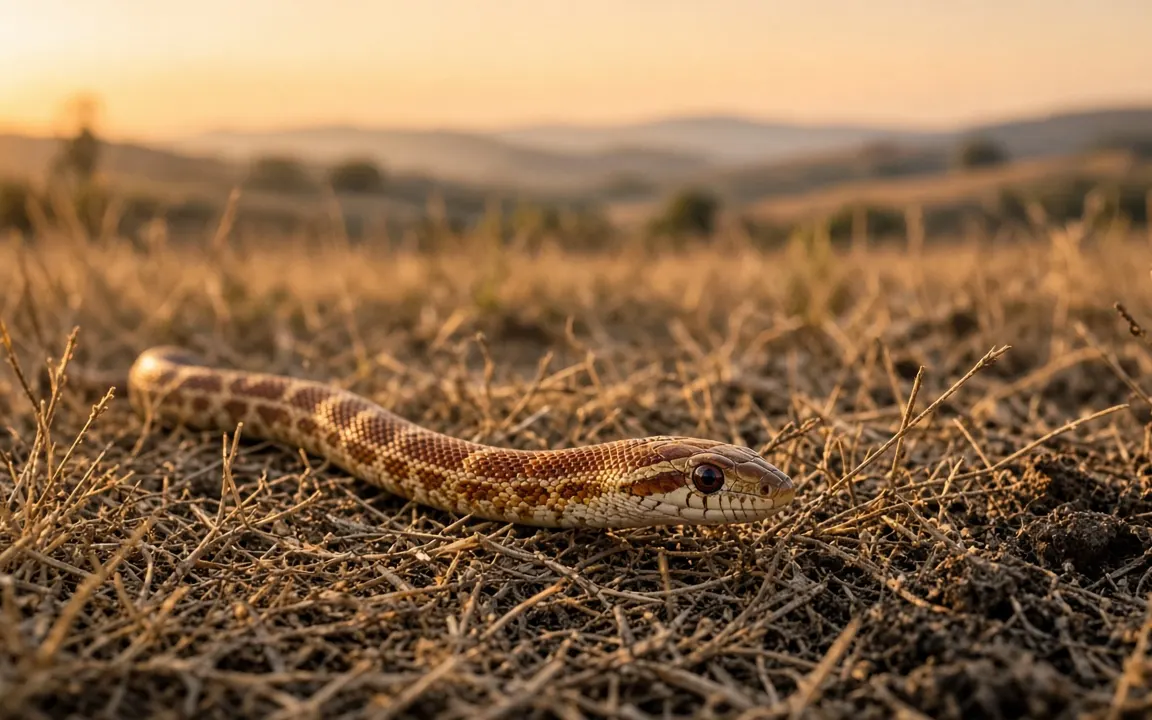
Delaware, the United States
Reptile Cremation in Delaware: what to know
Weather across Delaware affects reptile keepers more than most pet owners. Heat waves and cold snaps test vivarium heating and cooling, power cuts can turn dangerous within hours, and seasonal brumation makes it harder to judge whether a reptile has died. Use this page for the regional picture, then open your own city for local weather and timing.
Reptile aftercare across Delaware depends less on the law than on two practical things: how far you are from a vet who knows reptiles, and how far from a crematory used to them. In and around Wilmington, Dover and Newark, both are usually close at hand. In smaller towns, your local vet can still confirm death and send your reptile on, but expect a few extra days.
We cover 11 communities in Delaware, from Wilmington, Dover and Newark to smaller towns. Conditions vary a lot across Delaware: summer highs reach about 88°F in Seaford, while winter lows average 26°F in Wilmington. In 64% of the Delaware communities we cover, average lows drop below freezing for three months or more, which matters for home burial.
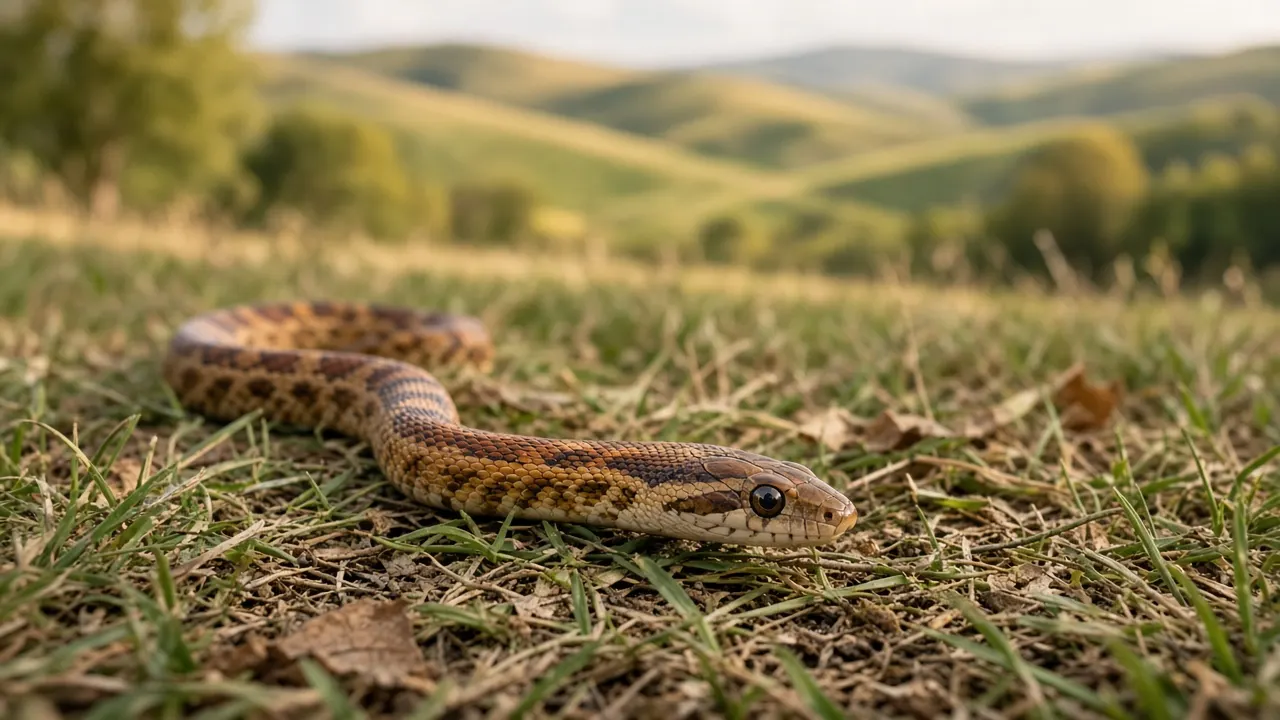

Every Delaware community we cover
Choose your city or town for local prices, weather and timing, and rules. 11 communities in Delaware, largest first below.
Cremation habits in Delaware and your reptile
With about 59.7%[1] of people cremated, Delaware sits between the burial traditions of the past and a cremation-first future. For a reptile, the choice usually comes down to practicalities: do you have land, will you stay, and do you want something to keep? Cremation answers the last question; burial suits keepers with a garden they won't leave.
NFDA 2024 Cremation & Burial Report state projections (via Occasional Sage) (2024) publishes the Delaware rate we quote. Read it as the local custom around cremation rather than as pet data.
Delaware prices, from gecko to giant tortoise
Embrace Pet Insurance lists three US tiers: communal at $30 to $200, partitioned at $50 to $250 and private at $100 to $500 or more[2]. Partitioned is the one to question for a reptile in Delaware, because a tiny gecko's ashes can mingle with a neighbor's in a shared chamber. Ask how separation works, or pay for private.
Expect Delaware prices to follow size, but only at the top end. Geckos, dragons, corn snakes and box turtles all sit in the lowest band; a big sulcata tortoise or Burmese python is priced like a large dog, and CareCredit's over-90 lb band reaches $350 to $450 for private cremation[3]. Collection, a keepsake urn and a certificate are often extra.
| Weight band (examples) | Communal | Private |
|---|---|---|
| Up to 30 lb (geckos, dragons, most snakes, turtles) | $45 to $75 | $100 to $175 |
| 31 to 50 lb (large monitors, big iguanas) | $50 to $80 | $150 to $250 |
| 51 to 70 lb (leopard tortoises, very large pythons) | $50 to $100 | $200 to $300 |
| 71 to 90 lb (adult sulcata tortoises) | $100 to $150 | $250 to $375 |
| Over 90 lb (the largest tortoises and constrictors) | $150 to $200 | $350 to $450 |
| Source | CareCredit cost guide | Excludes pickup, urn upgrades and euthanasia |

Free tool
Cremation cost calculator
Estimate a realistic price range for your pet's size, location and the type of cremation.
Permits, paperwork and burial in Delaware
Cremating a reptile needs no permit, but what happens around it can be regulated in Delaware: burying on your own land, scattering ashes and, for some species, what you may do with the body or the shell. It pays to know the basics before you decide. If your reptile needed a permit to keep, check that permit's conditions too.
- Burial at home: Confirm the rule for the actual parcel and proposed burial with the local authority and property owner.
- Scattering ashes: Ask the exact land manager about scattering before making arrangements; a general gathering permission is a separate matter.
- Who oversees it: the authority responsible for the specific activity and location; this guide does not identify a universal permit or licensing rule
- Worth knowing: Record the service method, release authority, identification and return instructions in writing.
A city's population does not establish which aftercare activities are allowed at an address. Check the actual site and activity before proceeding.
County and city offices set many of the local rules. To find yours, start with the official Delaware local government directory.
What to do when your reptile dies in Delaware
- Book the final appointment with a vet who treats reptiles regularly, and check whether sedation comes first. The usual approach is one injection to bring sleep, then a second to end life.
- Settle the aftercare before the day, because the consulting room is no place to weigh up options. Let the clinic know in advance if you'd like a private cremation with the ashes coming back.
- Pack a familiar hide or towel in the carrier. In cold weather, keep it warm on the journey with a wrapped heat pack.
- Ask the vet to confirm death with a Doppler before heading home. After the injection, a reptile's heart may keep up a slow beat for some time.
- Decide whether to stay in the room. Many keepers do; others say goodbye beforehand. Both are loving choices.
- Read the cremation form before signing, checking private or communal and writing down any request about a shell, shed or keepsake.
- Pay ahead if the clinic allows it, and the goodbye won't end at the reception desk.
Keeping your reptile close
Tortoise keepers often choose to keep the shell, cleaned by a specialist, or to have it cremated with the body. Either way, decide before collection. A shell can sit in a display case with the tortoise's name and hatch year, a fitting tribute for an animal that may have been part of the family for decades. Our shell guide explains both routes.
Compare every option on our services page, try the free planning tools or see how other readers answered in our polls. You can also go back to all locations.

Reader polls
What would you choose?
Vote anonymously and see how other readers answered. The results are live counts from people who visit this site, so they show real opinions, not a scientific sample.
When your reptile seemed to have died, how sure were you at first?
Tap an answer to vote and see how others answered. Anonymous.
For a small lizard or gecko, would you still choose private cremation knowing only a pinch of ash may come back?
Tap an answer to vote and see how others answered. Anonymous.
If you had to decide today, which aftercare would you choose for your pet?
Tap an answer to vote and see how others answered. Anonymous.

Free tools to help you plan
Cremation cost calculator
Estimate a realistic price range for your pet's size, location and the type of cremation.

Ashes weight estimator
See roughly how much ash to expect back, by species and body weight.

Pet age & senior years calculator
Convert your pet's age and see when senior-care and planning conversations usually start.
Questions people ask
How many communities do you cover in Delaware?
We currently have local reptile aftercare guides for 11 communities in Delaware, including Wilmington, Dover and Newark. Each page covers local weather and timing, prices, rules and how collection usually works there, with advice for keepers of snakes, lizards and tortoises.
Do winter power cuts put reptiles at risk in Delaware?
Yes. When heat mats and lamps fail on a cold night, a vivarium can cool quickly. In Wilmington, one of the coldest places we cover in Delaware, average winter lows reach about 26°F. A reptile found chilled and still may be torpid rather than dead, so warm the room gradually and ask a vet to check.
What should I do if my reptile dies in the heat in Delaware?
Once death is confirmed, seal the body in a tub and refrigerate it, or keep a large reptile in the coolest room with wrapped ice packs beside it and ask for same-day collection. In hot parts of Delaware, such as Seaford where summer highs average about 88°F, don't leave a body in a car or shed even briefly.
Is there support for grieving reptile keepers in Delaware?
Yes. Veterinary schools run free phone support, including Tufts[5] and Cornell[6], and the volunteers take calls from owners of any species. Keepers' clubs and online groups in Delaware are another source of understanding from people who know exactly what a snake or tortoise can mean to someone.
Can I keep my tortoise's shell in Delaware?
Usually yes, but you must decide before cremation, because a shell can't be recovered afterwards. A preservation specialist can clean it, or it can be cremated with the body. If your tortoise is a protected species, keep its paperwork and check the rules before selling or giving the shell to anyone else.
Is it hard to find a reptile vet in Delaware?
It depends where you are. Larger cities such as Wilmington, Dover and Newark usually have at least one exotics practice, while smaller towns may rely on general vets. Any vet can confirm death and arrange cremation, but for a living reptile that's unwell, a reptile-experienced vet is worth the drive. Save a number before you need it.

Sources and our estimates
- [1] The NFDA projected Delaware's cremation rate at 59.7% for 2024. NFDA 2024 Cremation & Burial Report state projections (via Occasional Sage), 2024.
- [2] Embrace Pet Insurance lists US communal cremation at $30-$200, partitioned at $50-$250, private at $100-$500+ and aquamation at $80-$450. Embrace Pet Insurance - Bury or Cremate Your Dog? Costs, Pros & Cons, 2025.
- [3] CareCredit lists US communal cremation at $150-$200 and private at $350-$450 for pets over 90 lb. CareCredit (Synchrony) - How Much Does Pet Cremation Cost? (Sept 2023), 2023.
- [4] Private cremation cost per pound falls with size in the US: roughly $9.2/lb for a 15 lb pet, $4.2/lb at 60 lb and about $4.0/lb at 100 lb. Our estimate: band midpoint price / representative weight: 0-30 lb (midpoint $137.50 / 15 lb) = $9.17/lb; 51-70 lb ($250 / 60 lb) = $4.17/lb; over 90 lb ($400 / ~100 lb) = $4.00/lb. How we calculate.
- [5] Tufts University's Pet Loss Support Helpline (508-839-7966) is free and volunteer-staffed, 6–9 pm ET Monday to Thursday, with 24-hour voicemail. Tufts Cummings School of Veterinary Medicine, 2026.
- [6] Cornell's free Pet Loss Support Hotline (607-218-7457) is staffed by veterinary students trained by professional grief counselors. Cornell University College of Veterinary Medicine, 2026.
Find a Delaware provider that accepts reptiles
Tell us what you need and where you are. We'll reply by email with clear options and prices so you can decide in your own time.