Saying goodbye to your reptile in Daytona Beach
Losing a reptile you've cared for over many years is hard, and people don't always understand. We explain the Daytona Beach options plainly and can send prices from providers that accept reptiles.
- Confirm death before anything is decided
- Providers in Daytona Beach that accept reptiles
- Written prices by size, by email
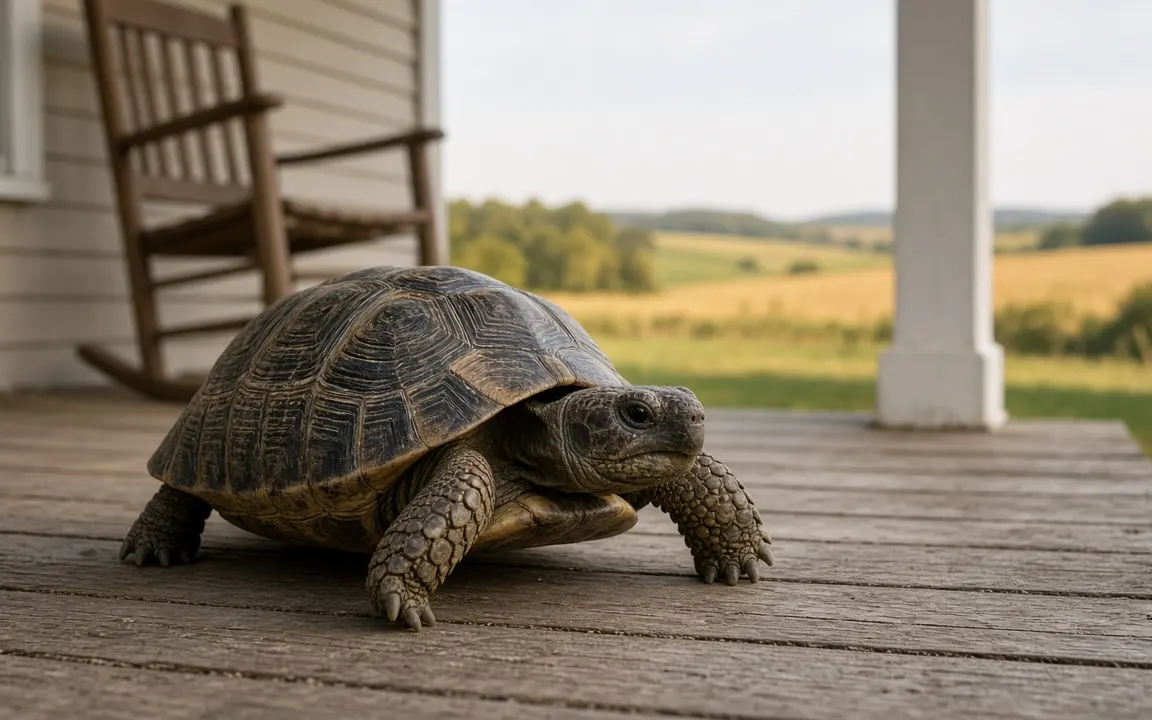
Daytona Beach, Florida
Getting reptile aftercare sorted in Daytona Beach
Daytona Beach sits on Florida's Atlantic coast in Volusia County, about 51 miles northeast of Orlando, divided by the Halifax River into a mainland side and a barrier-island beachside. Homes range from older bungalows and small concrete-block houses on the mainland to condos and motels converted to apartments near the ocean. When you ask for pickup, say which side of the river you are on and which bridge is closest, as it helps with timing.
Daytona Beach is known for its hard-packed sand beach and its racing history, and it also has a sizeable population of retirees and university students. Owners here tend to choose private cremation and keep the ashes, often in the home near a favorite window. Some later scatter a portion from a boat on the ocean or on the Halifax River. Ask providers to put the difference between private and communal cremation in writing.
Ashes from a crematory far from Daytona Beach often come back by post or courier. For a reptile that's a tiny parcel, but it's worth asking how it's packed, whether it's tracked and whether someone must sign for it. If you'd rather not receive ashes in the mail, ask whether your vet can hold them for you instead.
Daytona Beach's population is around 88,471, the 32nd-largest of the 235 Florida communities we cover. The nearest larger centre is Orlando, about 51 miles (82 km) away, which is where some providers serving Daytona Beach are based.
If you want to compare providers, look at Port Orange (7 miles), Ormond Beach (7 miles) and New Smyrna Beach (13 miles). Distance matters because pickup fees and the time until the ashes come back both grow with the drive.
72.5%[1]
The NFDA projected Florida's cremation rate at 72.5% for 2024.
6 million[2]
About 6 million US households keep reptiles.
700,000[3]
There are about 700,000 pet tortoises and turtles in the UK (1.6% of households).
3-5% of body weight[4]
Embrace notes cremated remains typically weigh about 3-5% of the pet's original body weight.
Where these figures come from: Embrace Pet Insurance and UK Pet Food (formerly PFMA) Pet Population 2026.
Cremation habits in Florida and your reptile
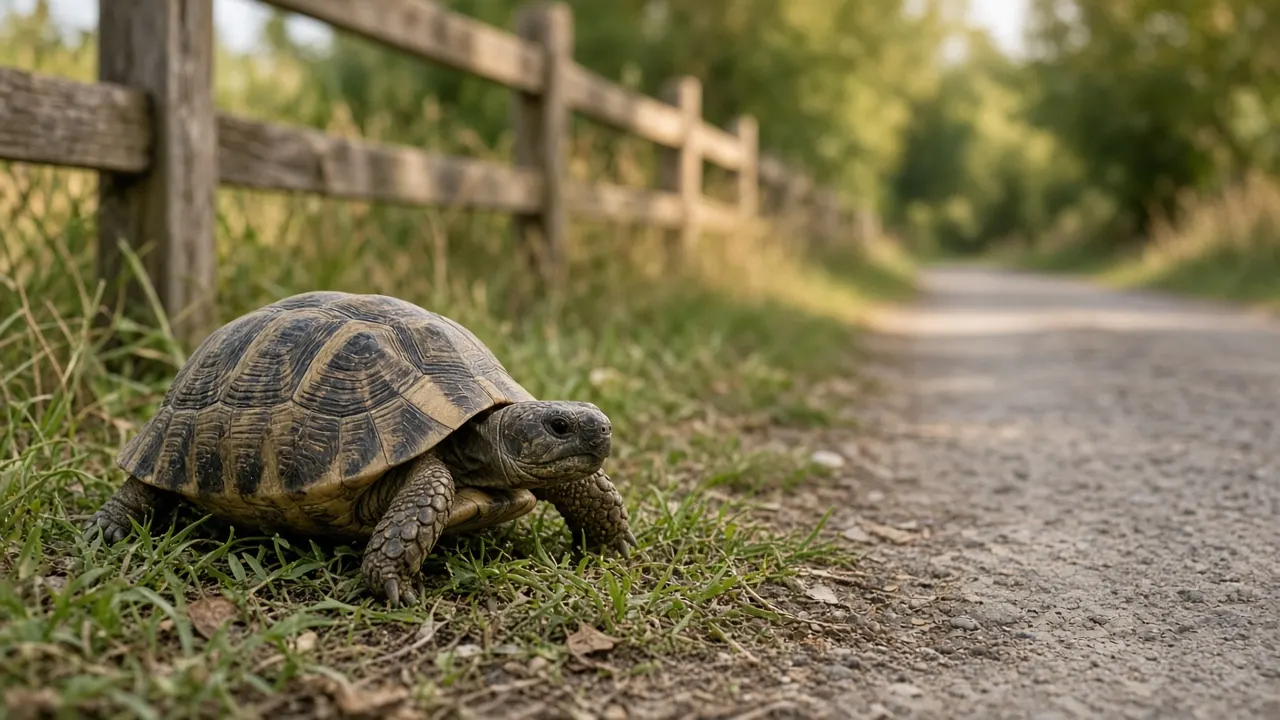
Because cremation is the norm in Florida, where the human rate stands near 72.5%[1], some pet crematories let owners be present at the start. Few keepers ask for this with a reptile, but you can. It is one way to be certain a small body was handled on its own, and some providers charge a modest fee for it.
For the Florida figure we rely on NFDA 2024 Cremation & Burial Report state projections (via Occasional Sage) (2024). Read it as a picture of local custom around death and remembrance in Daytona Beach rather than as pet data.
Seasons, brumation and timing in Daytona Beach
Heat affects burial too. Ground in Daytona Beach can bake hard in summer, and shallow graves attract animals quickly. If you'd like to bury a reptile at home, dig deep, cover well and wait for a cooler evening. Some keepers here cremate first and bury the ashes under a shady plant once the worst of May, June, July, August and September has passed.
In Daytona Beach's July heat, a small body changes within hours, and an outdoor turtle or tortoise that has slipped out of its pen can be hard to find. Search shaded corners, drains and under decking early in the day, wearing gloves, and keep a lidded box ready so you can bring the body inside straight away.
What reptile cremation costs in Daytona Beach
Most US pet insurance covers only dogs and cats, and one pet insurer says standard policies rarely pay for cremation even then[5]. A few exotic-pet policies exist, so if you insured your reptile, read the wording before you pay any provider in Daytona Beach. Either way, ask for an itemized receipt; it makes any claim or dispute much simpler.
Prices for Daytona Beach track the wider Florida market, so use the Florida price table as your baseline and the services page to see what is included.

Free tool
Cremation cost calculator
Estimate a realistic price range for your pet's size, location and the type of cremation.
Before you bury or scatter in Florida
You don't need anyone's permission to have your snake, lizard or tortoise cremated. Home burial and scattering are different: Florida and your local council or county may set conditions such as depth or distance from water. If your reptile came with paperwork, such as a captive-breeding certificate for a protected tortoise, keep it with the ashes or the shell.
Florida keeps an official directory of local governments; use it to reach the county or city office that covers Daytona Beach.
For Florida's rules on burying a pet at home or scattering ashes, see the Florida guide. Local rules in Daytona Beach can be stricter than the state's, especially in homeowners' associations and rentals.
A calm checklist for keepers in Daytona Beach
- Tell your child simply and honestly that the gecko or turtle has died. Saying it has "gone to sleep" can leave a small child afraid of going to bed.
- Let an adult do all the handling, gloves on. The CDC says children younger than five should be kept away from reptiles and the places they live, because of Salmonella.
- Offer a way to say goodbye without touching: a picture they draw to go in the box, a few written words or a photo they love.
- Let them help choose between bringing ashes home and a garden burial. Being asked matters more than the answer.
- Save something they can hold, such as a framed shed skin or a scute in a small locket.
- Wash hands together afterwards, then disinfect everything the reptile came into contact with before the tank gets a new occupant.
Remembering your reptile in Daytona Beach
Summers reach about 90F in July here, and winter lows around 49F are mild but occasionally cool. Late summer and fall are hurricane season, and storms in recent years have damaged beachside buildings and closed bridges for a time. If a pet dies while a storm is coming, keep the body cool inside and ask providers when they can safely reach you. A cooler with ice can bridge a short delay.
or see what other families chose in the poll results, Our services overview lays out every option side by side, try the free planning tools, look through our guides and the blog. You can also browse every city in the United States. Nearby, we also cover Tampa, Jacksonville, Miami and Orlando, and every city in Florida.

Reader polls
What would you choose?
Vote anonymously and see how other readers answered. The results are live counts from people who visit this site, so they show real opinions, not a scientific sample.
What did you do with the enclosure after your reptile died?
Tap an answer to vote and see how others answered. Anonymous.
If your tortoise or turtle died, what would you want done with the shell?
Tap an answer to vote and see how others answered. Anonymous.
If you had to decide today, which aftercare would you choose for your pet?
Tap an answer to vote and see how others answered. Anonymous.

Free tools to help you plan
Cremation cost calculator
Estimate a realistic price range for your pet's size, location and the type of cremation.

Ashes weight estimator
See roughly how much ash to expect back, by species and body weight.

Pet age & senior years calculator
Convert your pet's age and see when senior-care and planning conversations usually start.
Questions people ask
Does the Daytona Beach climate change what I should do first?
Only the timing. In July, with highs near 90°F, cool the body and book collection the same day. Winters here are mild enough that burial or scattering is possible in any month.
Is cremation common in Florida?
For people, yes: about 72.5%[1] of Florida deaths end in cremation, according to NFDA 2024 Cremation & Burial Report state projections (via Occasional Sage) (2024). Nobody publishes the same figure for pets, but in our experience pet choices in Daytona Beach follow the human pattern closely, so cremation is the default most families here start from.
Can a provider from a neighbouring town collect from Daytona Beach?
Usually yes. Port Orange is about 7 miles away, Ormond Beach is about 7 miles away and New Smyrna Beach is about 13 miles away, all inside a normal collection radius. Get the mileage written into the quote so there is no surprise on the day.
Where are the providers that serve Daytona Beach actually based?
Some are local, and some run from Orlando, about 51 miles away. That is normal for a town this size. What matters is the collection time they quote for Daytona Beach and whether the drive is priced into the total, so ask both up front.
My reptile died within its first year. Is that common?
It's less common than some claims suggest. A peer-reviewed University of Kent survey found only 3.6%[7] of pet snakes, chelonians and lizards died within their first year, though rates varied by species, with chameleons highest. If your reptile died young, a vet can help you understand why, which may protect any others you keep.
How much ash will I get back from my reptile?
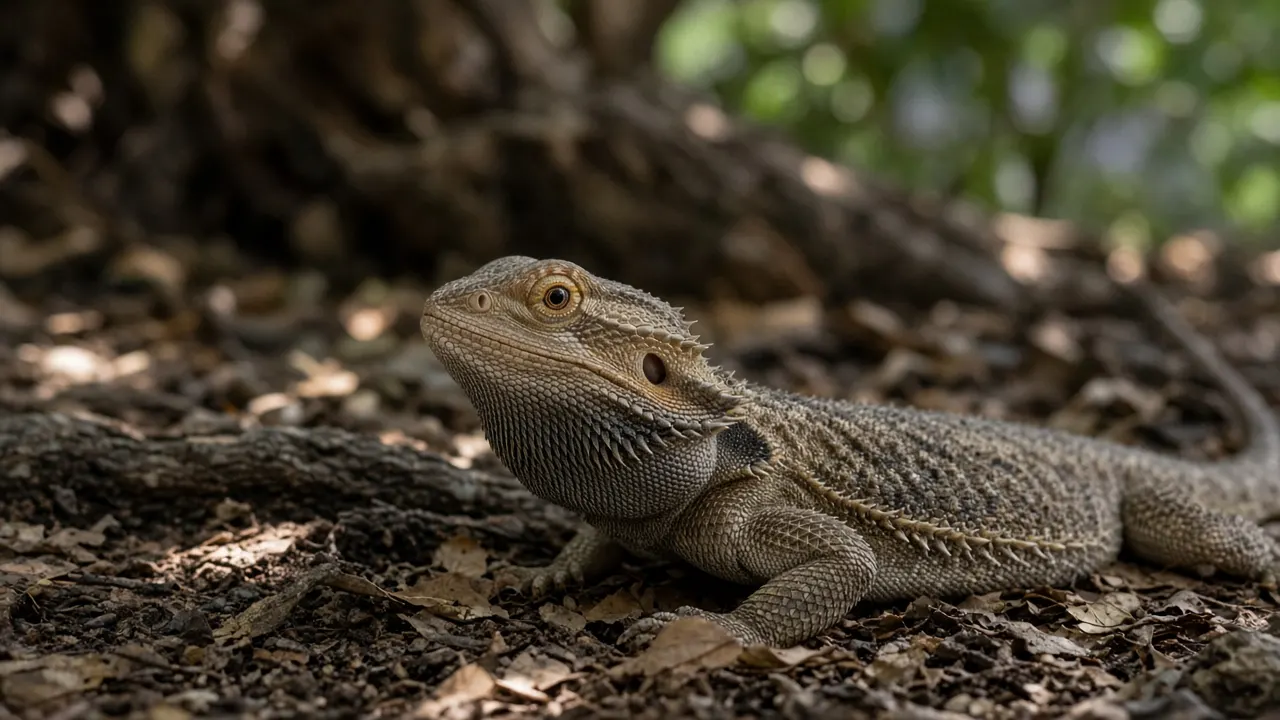
Cremated remains weigh roughly 3-5% of body weight[4], so the amount follows size closely. A leopard gecko returns a gram or two, a bearded dragon about a tablespoon, a ball python a few ounces and a large tortoise several pounds. Shelled species return a little more because the shell is bone. The ashes weight estimator gives a figure for your pet.


Sources and our estimates
- [1] The NFDA projected Florida's cremation rate at 72.5% for 2024. NFDA 2024 Cremation & Burial Report state projections (via Occasional Sage), 2024.
- [2] About 6 million US households keep reptiles. American Pet Products Association (APPA) 2025 National Pet Owners Survey release, 2025.
- [3] There are about 700,000 pet tortoises and turtles in the UK (1.6% of households). UK Pet Food (formerly PFMA) Pet Population 2026, 2026.
- [4] Embrace notes cremated remains typically weigh about 3-5% of the pet's original body weight. Embrace Pet Insurance - Bury or Cremate Your Dog? Costs, Pros & Cons, 2025.
- [5] Embrace says standard pet insurance typically does not cover cremation, while euthanasia can be covered if medically necessary for a covered condition; cremation is an eligible expense under its optional Wellness Rewards. Embrace Pet Insurance - Bury or Cremate Your Dog? Costs, Pros & Cons, 2025.
- [6] If U.S. reptile-owning households each acquired one reptile a year and first-year mortality matched the UK study (3.6%), about 216,000 new pet reptiles would die within a year; the contested 75% figure would imply 4.5 million. Our estimate: 6,000,000 households x 1 reptile x 3.6%; vs x 75%. How we calculate.
- [7] A University of Kent survey found only 3.6% of pet snakes, chelonians and lizards died within one year of acquisition; boas and pythons had the lowest mortality (1.9%) and chameleons the highest (28.2%). Robinson JE, St John FA, Griffiths RA, Roberts DL. Captive Reptile Mortality Rates in the Home and Implications for the Wildlife Trade. PLoS One, 2015 (PMID 26556237), 2015.
Find a Daytona Beach provider that accepts reptiles
Tell us what you need and where you are. We'll reply by email with clear options and prices so you can decide in your own time.