Reptile Cremation in South Korea
From shed-skin keepsakes to tortoise shells, reptile aftercare in South Korea involves choices no other pet leaves you. Here's how cremation works locally and what it usually costs.
- Safe handling and Salmonella tips
- Private or communal, explained simply
- Help with large snakes and heavy tortoises
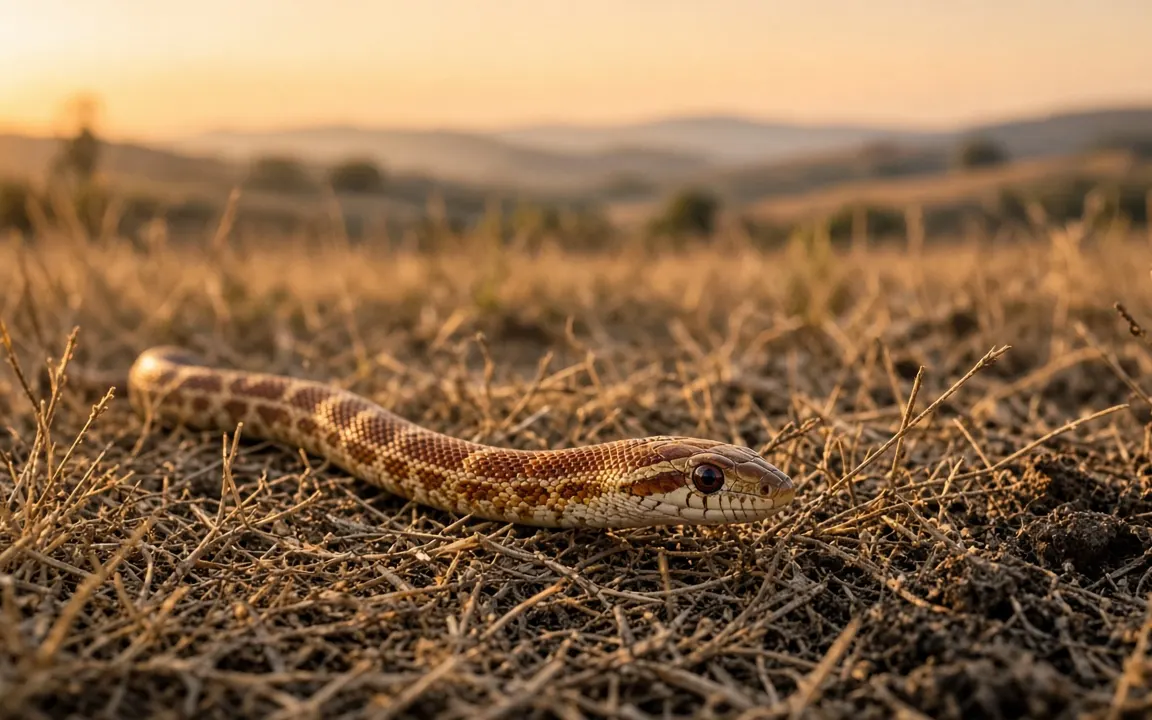
South Korea
Reptile Cremation in South Korea: what to know
Reptile cremation in South Korea follows the same basic choices as for any pet: private cremation with ashes returned, or communal cremation without. What differs is how often providers see snakes, lizards and tortoises, what they charge and which rules apply to burial, scattering and protected species. This page covers South Korea as a whole; each city page adds local detail.
Reptiles in South Korea range from geckos under 100 grams to tortoises that outweigh a Labrador, and aftercare has to fit both. Below you'll find what cremation typically costs, the rules worth knowing and every community we cover in South Korea, currently 7, each with local weather and timing notes.
We cover 7 communities in South Korea, from Seoul, Busan and Incheon to smaller towns.
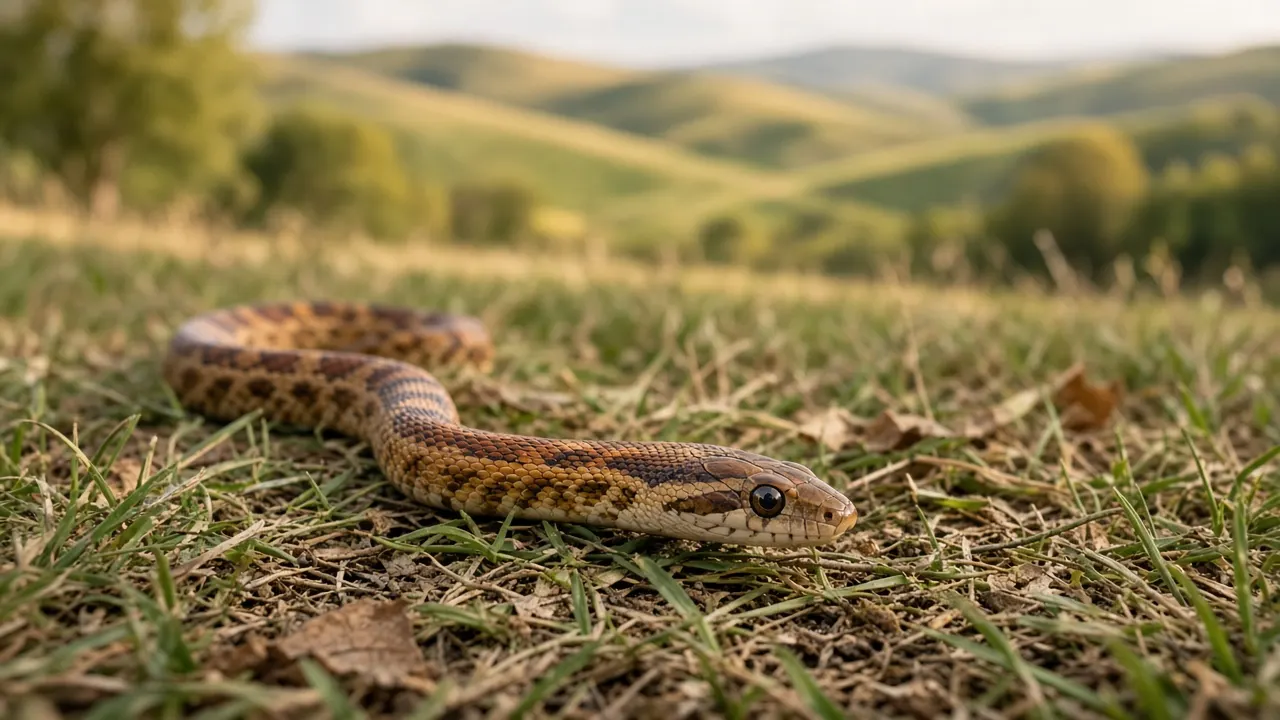

Cremation customs in South Korea, applied to reptiles
Cremation now covers 92.43%[1] of human deaths in South Korea, so many younger keepers grew up with cremation as the default for people and pets alike. Reptile keepers also tend to plan carefully, and plenty decide on aftercare years before they need it, writing the provider's number next to the vet's in the care log.
We take the South Korea percentage from Cremation Society of Great Britain, International Cremation Statistics 2023 (2023). It refers to people; attitudes to cremating a pet tend to follow it.
Reptile cremation prices in South Korea
Pet cremation in Asia is often priced as a funeral package. In Hong Kong, one provider lists basic individual cremation at HKD 1,300 for a 1 to 5 kg pet[2]; in Japan, a funeral hall charges about JPY 60,000 for the same size with a ceremony[3]. Most reptiles fall into that smallest band, so ask a South Korea provider what's included.
In Singapore, one columbarium lists communal cremation at SGD 160[4] and private at SGD 280[5] for a pet under 5 kg, with niches extra. Space is tight across much of urban Asia, so cremation is the usual choice for reptiles too. Ask any South Korea provider whether a small-pet rate applies and whether the ashes come back.
| Place | Example | What's included |
|---|---|---|
| Hong Kong (1 to 5 kg pet) | HKD 1,300 individual | Basic cremation |
| Singapore (pet under 5 kg) | SGD 160 communal / SGD 280 private | Columbarium niches extra |
| Japan (1 to 5 kg pet) | about JPY 60,000 | Funeral package with ceremony |
| Tokyo, Shinjuku ward collection | JPY 3,000 | Communal, ashes not returned |

Free tool
Cremation cost calculator
Estimate a realistic price range for your pet's size, location and the type of cremation.
Burial, scattering and protected species in South Korea
Before a home burial anywhere in South Korea, look past the regional rules to the ones closer to home. Leases, homeowners' associations and some city ordinances forbid burying animals on the property, even a small lizard. Cremation needs no such permission, and the ashes can go with you wherever you settle next.
Step by step, from first check to ashes
- Don't lift alone. A big sulcata or a very long python needs two people and a board or strong tote. Protect your back.
- Weigh it if you safely can, or estimate, and measure a snake from nose to tail tip. The provider needs both figures to quote and to plan the chamber.
- Lay the body on a cool, hard floor in the shadiest room, away from other pets, with wrapped ice packs along its sides.
- Ask for collection with lifting help, and explain the access: any gates or steps, and where the van can park relative to your door.
- Raise the shell question before anyone arrives. If you want to keep it, a preservation specialist has to receive the tortoise first.
- Confirm which weight band you'll be charged in, because a heavy reptile can land in the same price bracket as a large dog. The aftercare comparison sets each option next to the others.
- Choose an urn for a real quantity of ash, which can run to several pounds for a giant tortoise. The urn size calculator helps.
Sheds, shells and keepsakes
If you're scattering ashes in South Korea, choose private land with permission, or a quiet spot where scattering is allowed, and scatter downwind. Many keepers keep a little back in a keepsake. And please never release another reptile outdoors in your pet's memory; it can harm local wildlife and may break the law.
If South Korea is not quite where you are, all locations has the rest. Otherwise the services page, the tools and the poll results are the useful next stops.

Reader polls
What would you choose?
Vote anonymously and see how other readers answered. The results are live counts from people who visit this site, so they show real opinions, not a scientific sample.
For a small lizard or gecko, would you still choose private cremation knowing only a pinch of ash may come back?
Tap an answer to vote and see how others answered. Anonymous.
If your tortoise or turtle died, what would you want done with the shell?
Tap an answer to vote and see how others answered. Anonymous.
If you had to decide today, which aftercare would you choose for your pet?
Tap an answer to vote and see how others answered. Anonymous.

Free tools to help you plan
Cremation cost calculator
Estimate a realistic price range for your pet's size, location and the type of cremation.
Ashes weight estimator
See roughly how much ash to expect back, by species and body weight.

Pet age & senior years calculator
Convert your pet's age and see when senior-care and planning conversations usually start.
Questions people ask
Can I bury my reptile at home in South Korea?
Often yes, with conditions such as burial depth, distance from wells and waterways and whether you own the land. Local councils, cities and landlords can be stricter than regional rules. Because reptiles often carry Salmonella, bury well away from vegetable beds and wash your hands afterwards. If you rent, cremation keeps your reptile with you.
How long does it take to get a reptile's ashes back in South Korea?
Many families receive ashes within one to two weeks. In large cities it can be faster; in rural areas where the crematory collects from vets on set days, it may take a little longer. Ask for an expected return date when you book, and whether the ashes come by post or for collection.
Is cremation common in South Korea?
For people, about 92.43%[1] of deaths in South Korea end in cremation, and pet aftercare tends to follow local habits. Among reptile keepers, cremation is common for long-lived animals like tortoises and for anyone without a garden, while small lizards and turtles are still often buried at home.
Do vets in South Korea offer home euthanasia for reptiles?
Some do, mostly mobile vets working around larger cities such as Seoul, Busan and Incheon. Because sedation differs between a snake, a lizard and a tortoise, ask how often the vet does this for your species and who transports the body afterwards. Where no home service exists, booking the first or last slot of the clinic day keeps things quiet.
How much does reptile cremation cost in South Korea?
Most pet reptiles fall into the smallest weight band crematories use, so you're mostly paying the provider's minimum fee plus collection and a container. Very large tortoises, monitors and pythons are priced like big dogs. Prices vary between cities and rural areas across South Korea, so ask for an itemized written total that names your reptile's species and weight.
Can I release a sick reptile or dispose of a body outdoors in South Korea?
Please don't. Releasing a pet reptile can harm local wildlife, and some species are covered by invasive-species rules that make release illegal. Disposing of a body in the open can spread Salmonella and attract scavengers. If you can no longer care for a living reptile, contact a reptile rescue; for a body, choose cremation or a proper burial.

Sources and our estimates
- [1] In 2023, 92.43% of deaths in South Korea were cremated (60 crematoria). Cremation Society of Great Britain, International Cremation Statistics 2023, 2023.
- [2] A Hong Kong provider lists basic individual cremation at HKD 1,300 for a 1-5 kg pet and HKD 3,000 for a 20-30 kg dog. PETMENTO (Hong Kong pet funeral provider) - Pet funeral price list, 2026.
- [3] A Japanese pet funeral hall example charges about JPY 60,000 for a 1-5 kg pet and JPY 80,000 for a 25-30 kg pet (funeral package). The Japan News via Asia News Network - As pets become more like family, more owners in Japan are opting for elaborate funerals (Apr 2025), 2025.
- [4] A Singapore pet columbarium lists communal cremation at SGD 160 for a cat under 5 kg and SGD 260 for a 10-20 kg dog. Singapore Pet Columbarium - Prices, 2026.
- [5] The same Singapore provider lists private cremation at SGD 280 for a cat under 5 kg and SGD 480 for a 10-20 kg dog; columbarium niches start at SGD 300 for the first year with SGD 180 yearly renewal. Singapore Pet Columbarium - Prices, 2026.
- [6] Private cremation cost per pound falls with size in the US: roughly $9.2/lb for a 15 lb pet, $4.2/lb at 60 lb and about $4.0/lb at 100 lb. Our estimate: band midpoint price / representative weight: 0-30 lb (midpoint $137.50 / 15 lb) = $9.17/lb; 51-70 lb ($250 / 60 lb) = $4.17/lb; over 90 lb ($400 / ~100 lb) = $4.00/lb. How we calculate.
Find a South Korea provider that accepts reptiles
Tell us what you need and where you are. We'll reply by email with clear options and prices so you can decide in your own time.