Saying goodbye to your reptile in Anchorage
Whether your reptile is a gecko or a 70-pound tortoise, you have time to get this right. Here's how to confirm death, what cremation costs in Anchorage and how to find a provider used to reptiles.
- Honest Anchorage costs for small pets
- Shell and shed keepsakes planned early
- Local weather and brumation advice
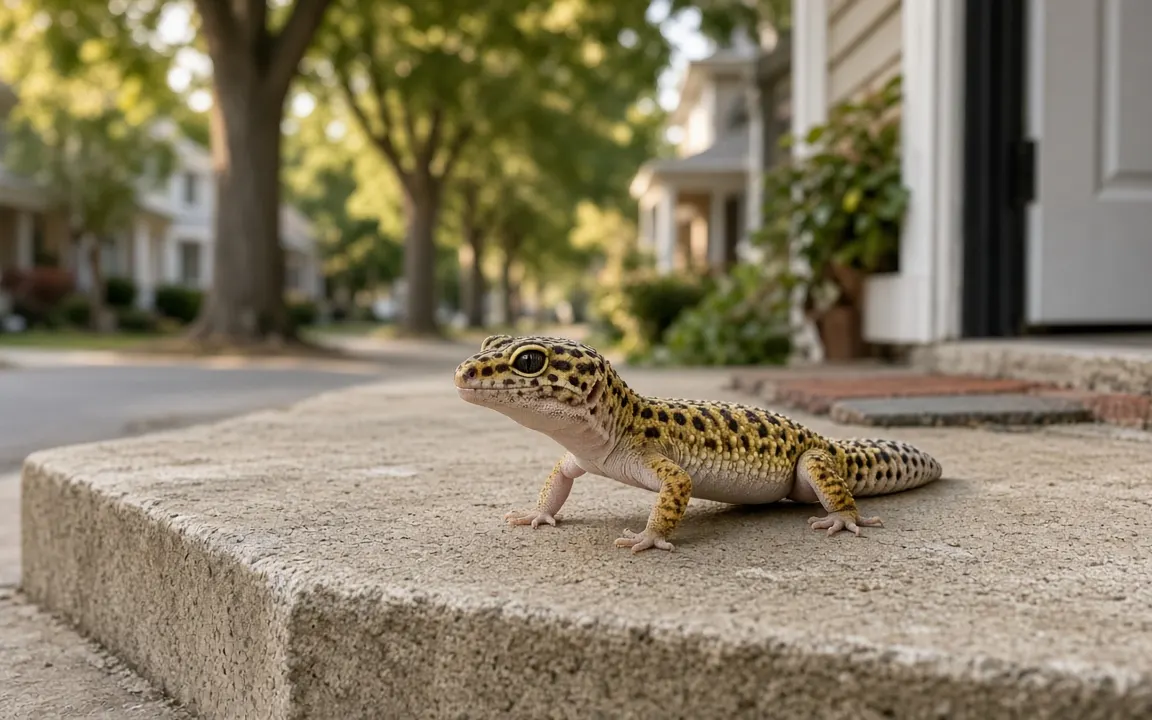
Anchorage, Alaska
Getting reptile aftercare sorted in Anchorage
Anchorage's ground is frozen for much of the year, often from October into April, and backyard burial usually has to wait until the thaw. Many families choose cremation for that reason. The cold does give you time: a pet's body wrapped and kept in a cool garage stays in good condition. In the mild summers, a cool room and ice packs are still wise.
Many Anchorage families think of the Tony Knowles Coastal Trail, Kincaid Park or the edge of the Chugach when they remember a pet. Scattering ashes on public land or into Cook Inlet is something to check with the land manager first. Many people keep ashes at home through the winter and decide on a place to scatter or plant during the long summer days.
Providers serving Anchorage often collect from clinics on a fixed route, so you may hear "Tuesday" rather than "today". Ask the clinic which day the van comes. If you'd rather keep your reptile at home until then, drop it off the evening before, so it never waits at the clinic over a weekend.
Anchorage is home to about 288,000 people, the largest of the 10 Alaska communities we cover.
For a second opinion on price, Wasilla (29 miles), Palmer (37 miles) and Kenai (63 miles) are close enough that their providers cover Anchorage routinely. Two written quotes tell you more than any price list.
74.1%[1]
The NFDA projected Alaska's cremation rate at 74.1% for 2024.
6 million[2]
About 6 million US households keep reptiles.
700,000[3]
There are about 700,000 pet tortoises and turtles in the UK (1.6% of households).
3-5% of body weight[4]
Embrace notes cremated remains typically weigh about 3-5% of the pet's original body weight.
The published sources behind those figures are Embrace Pet Insurance and American Pet Products Association (APPA) 2025 National Pet Owners Survey release.
What local cremation culture means for keepers
Cremation is the everyday choice in Alaska: about 74.1%[1] of people who die there are cremated. That familiarity helps reptile keepers, because local crematories are well established and nobody needs to explain wanting ashes home. The gap is experience with unusual species, so the practical step is simply to ask how often a provider sees snakes, lizards and tortoises.
For the Alaska figure we rely on NFDA 2024 Cremation & Burial Report state projections (via Occasional Sage) (2024). Read it as a picture of local custom around death and remembrance in Anchorage rather than as pet data.
Timing a goodbye around Anchorage's weather
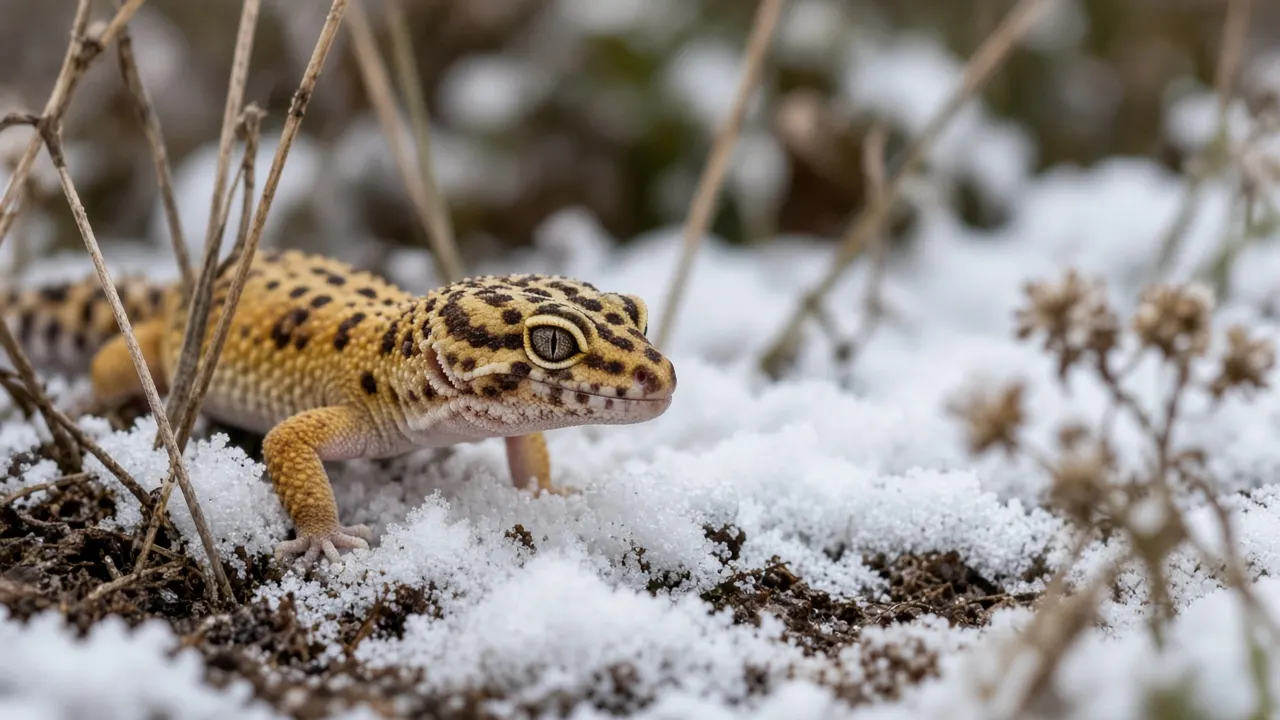
Anchorage has average lows at or below freezing in January, February, March, April, October, November and December, and that's when many reptiles naturally slow down for brumation. A brumating snake or tortoise can look lifeless for weeks. Before you assume the worst in winter, keep it at its normal temperature and ask a reptile vet to check for a heartbeat. Never freeze an animal you aren't certain has died.
Tortoise keepers in cold places like Anchorage often hibernate their animals in a temperature-controlled box or a dedicated fridge through January, February, March, April, October, November and December. Weigh your tortoise regularly while it sleeps; slow weight loss is expected, but a sudden drop is a reason to wake it and call a vet. If one doesn't survive hibernation, ask about a post-mortem before cremation.
Budgeting for a snake, lizard or tortoise in Anchorage
Expect Anchorage prices to follow size, but only at the top end. Geckos, dragons, corn snakes and box turtles all sit in the lowest band; a big sulcata tortoise or Burmese python is priced like a large dog, and CareCredit's over-90 lb band reaches $350 to $450 for private cremation[5]. Collection, a keepsake urn and a certificate are often extra.
For a line-by-line price table, see the Alaska overview; for what's included in each option, see our services.

Free tool
Cremation cost calculator
Estimate a realistic price range for your pet's size, location and the type of cremation.
Rules reptile keepers should know in Alaska
Some places license venomous snakes, large constrictors or crocodilians separately from ordinary pets. If yours was covered in Alaska, the permit office may want to hear that it has died, and any crematory will want the species named before it arrives. A dated cremation certificate satisfies most requests of this kind.
Not sure which office covers Anchorage? The Alaska local government directory is the official list.
The Alaska page sets out who oversees pet cremation and what the state says about burial and scattering. Anchorage's own bylaws can sit on top of that, so ask before you dig.
A calm checklist for keepers in Anchorage
- Take a breath. Once your reptile is cool and sealed in the fridge, nothing has to happen today.
- Confirm with a vet if there's any chance of brumation, cold shock or deep torpor.
- Wash everything the body touched with hot, soapy water, then disinfect, and wash your hands well.
- Compare two quotes for private cremation if you have time; minimum fees for small pets vary a lot.
- Ask three questions: how often they cremate reptiles, how they keep a small body separate, and how much ash to expect.
- Plan where the ashes will go, whether that's a locket small enough for a gecko or a proper urn for a tortoise. Use the ashes weight estimator to get the size right.
Remembering your reptile in Anchorage
Anchorage homes range from apartments and condos in Midtown to houses on larger lots on the Hillside and out in Eagle River. Winter changes collection more than anything: icy driveways, snow berms and dark afternoons. If you'd like a pet collected from home, mention the driveway, the stairs and any steep grade, and ask where the cremation takes place, since options in Alaska are more limited than in the Lower 48.
try the free planning tools, or see what other families chose in the poll results, Our services overview lays out every option side by side, look through our guides and the blog. More local pages: Fairbanks, Ketchikan, Wasilla and Sitka, the Alaska overview and every city in the United States.

Reader polls
What would you choose?
Vote anonymously and see how other readers answered. The results are live counts from people who visit this site, so they show real opinions, not a scientific sample.
If your tortoise or turtle died, what would you want done with the shell?
Tap an answer to vote and see how others answered. Anonymous.
Have you ever kept a shed skin, scute or photo of your reptile's markings as a keepsake?
Tap an answer to vote and see how others answered. Anonymous.
If you had to decide today, which aftercare would you choose for your pet?
Tap an answer to vote and see how others answered. Anonymous.

Free tools to help you plan
Cremation cost calculator
Estimate a realistic price range for your pet's size, location and the type of cremation.

Ashes weight estimator
See roughly how much ash to expect back, by species and body weight.

Pet age & senior years calculator
Convert your pet's age and see when senior-care and planning conversations usually start.
Questions people ask
Is cremation common in Alaska?
For people, yes: about 74.1%[1] of Alaska deaths end in cremation, according to NFDA 2024 Cremation & Burial Report state projections (via Occasional Sage) (2024). Nobody publishes the same figure for pets, but in our experience pet choices in Anchorage follow the human pattern closely, so cremation is the default most families here start from.
Which nearby towns can I compare with Anchorage?
The closest communities we cover are Wasilla (about 29 miles), Palmer (about 37 miles) and Kenai (about 63 miles). Providers based in those places often serve Anchorage too. Ask each one for a written total that includes collection, so the distance is priced in.
When is the hardest time of year to arrange a burial in Anchorage?
January, February, March, April, October, November and December: average lows are below freezing then, and frozen ground makes a home grave slow or impossible until it thaws. The other pressure point is July, when highs around 67°F mean a body needs cooling and collecting quickly.
My reptile died within its first year. Is that common?
It's less common than some claims suggest. A peer-reviewed University of Kent survey found only 3.6%[7] of pet snakes, chelonians and lizards died within their first year, though rates varied by species, with chameleons highest. If your reptile died young, a vet can help you understand why, which may protect any others you keep.
What should I do if my tortoise dies during hibernation?
First make sure it has died, because a hibernating tortoise can seem completely lifeless. Let it warm to room temperature gradually and ask a reptile vet to check. If it has died, keep it refrigerated and consider a post-mortem, especially if you hibernate other tortoises. Then arrange cremation or burial as you prefer.
How much does reptile cremation cost in Anchorage?
Most pet reptiles fall into the lowest weight band, usually about $45 to $75 for communal and $100 to $175 for private cremation in the US. Very large tortoises, monitors and pythons are priced more like big dogs. In Anchorage, collection, a keepsake urn and a certificate may be extra, so ask for one written total that names the species and weight.


Sources and our estimates
- [1] The NFDA projected Alaska's cremation rate at 74.1% for 2024. NFDA 2024 Cremation & Burial Report state projections (via Occasional Sage), 2024.
- [2] About 6 million US households keep reptiles. American Pet Products Association (APPA) 2025 National Pet Owners Survey release, 2025.
- [3] There are about 700,000 pet tortoises and turtles in the UK (1.6% of households). UK Pet Food (formerly PFMA) Pet Population 2026, 2026.
- [4] Embrace notes cremated remains typically weigh about 3-5% of the pet's original body weight. Embrace Pet Insurance - Bury or Cremate Your Dog? Costs, Pros & Cons, 2025.
- [5] CareCredit lists US communal cremation at $150-$200 and private at $350-$450 for pets over 90 lb. CareCredit (Synchrony) - How Much Does Pet Cremation Cost? (Sept 2023), 2023.
- [6] If U.S. reptile-owning households each acquired one reptile a year and first-year mortality matched the UK study (3.6%), about 216,000 new pet reptiles would die within a year; the contested 75% figure would imply 4.5 million. Our estimate: 6,000,000 households x 1 reptile x 3.6%; vs x 75%. How we calculate.
- [7] A University of Kent survey found only 3.6% of pet snakes, chelonians and lizards died within one year of acquisition; boas and pythons had the lowest mortality (1.9%) and chameleons the highest (28.2%). Robinson JE, St John FA, Griffiths RA, Roberts DL. Captive Reptile Mortality Rates in the Home and Implications for the Wildlife Trade. PLoS One, 2015 (PMID 26556237), 2015.
Tell us about your reptile
Tell us what you need and where you are. We'll reply by email with clear options and prices so you can decide in your own time.