Saying goodbye to your reptile in Kenai
Most crematories in Kenai are set up for cats and dogs. We explain what to ask so your snake, lizard or tortoise is handled with care, and we can email you local options.
- Tiny geckos to giant tortoises
- Straight answers on ash, shells and sheds
- No pressure, no rush
Kenai, Alaska
Where Kenai keepers turn for help
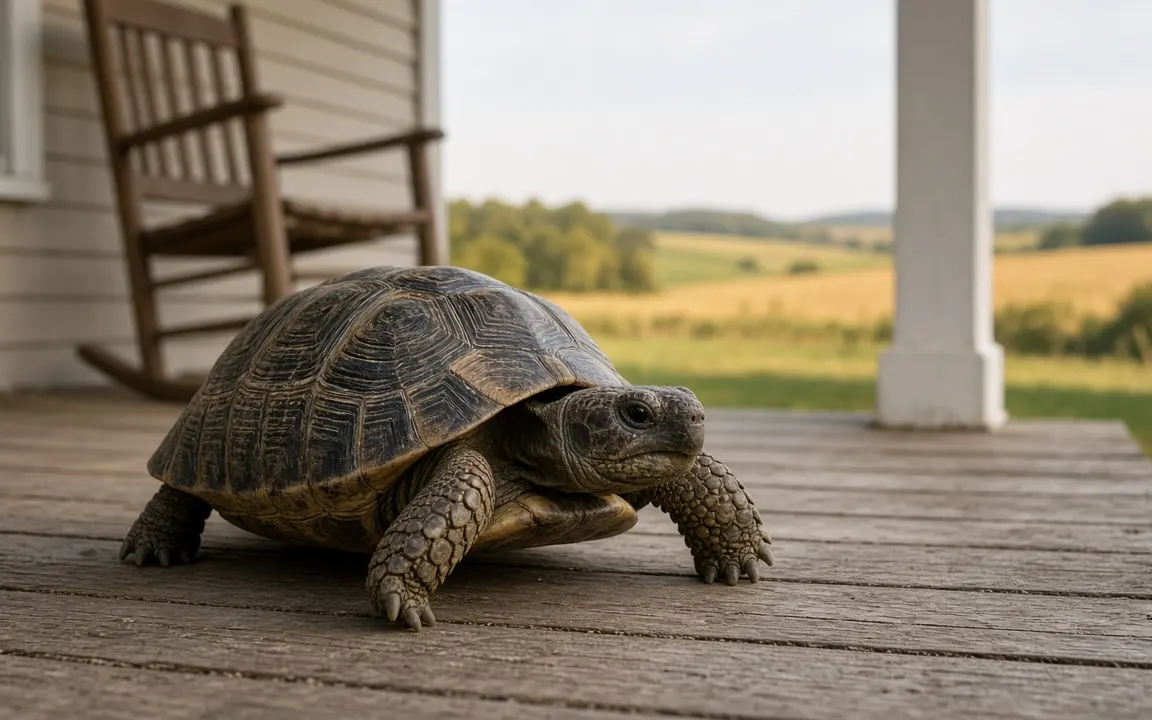
Kenai's beaches look across Cook Inlet to the volcanoes Redoubt and Iliamna, and the river bluffs and wetlands around town are full of birds and moose. Pets here often spend their lives outdoors in that landscape. Many families want ashes scattered somewhere with that view. If you choose a beach or bluff, check whether it is public land and pick a calm day, since the inlet wind can be strong.
Kenai sits where the Kenai River meets Cook Inlet, next door to Soldotna and about 150 road miles from Anchorage by the Sterling and Seward highways. Many residents live on wooded lots off the Kenai Spur Highway or out toward Nikiski, and a round trip to the city eats up most of a day. Out on the Spur, it's worth knowing ahead of time which Kenai or Soldotna clinic will receive a pet after hours or on a weekend.
A small town like Kenai can make the grief feel lonelier, because fewer people around you keep reptiles or understand the bond. Online keepers' groups fill that gap for many people. They're also a practical resource: someone there has almost certainly arranged cremation for a snake or tortoise from a rural area and can tell you how it went.
With roughly 7,924 residents, Kenai is the 7th-largest of the 10 Alaska communities we cover. Anchorage, roughly 63 miles off, is the closest larger centre, and a share of the providers who cover Kenai run from there.
Our pages for Anchorage (63 miles, a larger centre), Homer (65 miles) and Wasilla (91 miles) describe the same choices from those towns' point of view, and the providers overlap, so a quote from one often covers Kenai as well.
74.1%[1]
The NFDA projected Alaska's cremation rate at 74.1% for 2024.
6 million[2]
About 6 million US households keep reptiles.
700,000[3]
There are about 700,000 pet tortoises and turtles in the UK (1.6% of households).
3-5% of body weight[4]
Embrace notes cremated remains typically weigh about 3-5% of the pet's original body weight.
To check the figures yourself, see UK Pet Food (formerly PFMA) Pet Population 2026 and Embrace Pet Insurance.
What local cremation culture means for keepers
Cremation now covers 74.1%[1] of human deaths in Alaska, so many younger keepers grew up with cremation as the default for people and pets alike. Reptile keepers also tend to plan carefully, and plenty decide on aftercare years before they need it, writing the provider's number next to the vet's in the care log.
NFDA 2024 Cremation & Burial Report state projections (via Occasional Sage) (2024) is where the Alaska figure comes from. It counts people; we use it because attitudes to cremating a pet in Kenai tend to follow attitudes to cremation generally.
Heat, cold and power cuts in Kenai
Space heaters come out in January, February, March, April, October, November and December, and many reptile rooms lean on them. A stuck thermostat can overheat a small enclosure fast. If your reptile died near a heater, ask the vet to look for burns, and check the thermostat and wiring before any other animal goes back in that room.
Kenai has average lows at or below freezing in January, February, March, April, October, November and December, and that's when many reptiles naturally slow down for brumation. A brumating snake or tortoise can look lifeless for weeks. Before you assume the worst in winter, keep it at its normal temperature and ask a reptile vet to check for a heartbeat. Never freeze an animal you aren't certain has died.
What reptile cremation costs in Kenai
Expect Kenai prices to follow size, but only at the top end. Geckos, dragons, corn snakes and box turtles all sit in the lowest band; a big sulcata tortoise or Burmese python is priced like a large dog, and CareCredit's over-90 lb band reaches $350 to $450 for private cremation[5]. Collection, a keepsake urn and a certificate are often extra.
For a line-by-line price table, see the Alaska overview; for what's included in each option, see our services.

Free tool
Cremation cost calculator
Estimate a realistic price range for your pet's size, location and the type of cremation.
Permits, paperwork and burial in Alaska
Most decisions after a reptile dies are yours to make. The exceptions are burial, scattering and anything involving a regulated species. Some reptiles are covered by wildlife-trade or invasive-species rules, which can affect selling or giving away a shell and mean a sick or dead reptile should never be released or dumped outdoors. Everything else follows the general pet rules for Alaska.
The official Alaska local government directory lists every county and city office, which is the quickest way to find who to ask in Kenai.
Home burial and scattering are governed at the Alaska level first; our Alaska rules summary has the detail. Then check whether Kenai or your HOA adds anything.
A plan for the next few days
- If you're unsure, wait and call. Don't freeze, bury or book a cremation until a vet has confirmed death, ideally with a Doppler probe.
- If you keep a collection, ask the vet whether a necropsy (post-mortem) is worth doing before cremation. Refrigerate, don't freeze, if you want one.
- Keep children and anyone with a weak immune system away from the body and the cleanup.
- Choose between private and communal cremation. For a small lizard, ask how much ash to expect so you can pick a keepsake that fits.
- Arrange collection or drop-off. Most small reptiles can go to the vet in a sealed tub; for a heavy tortoise or long snake, ask the provider to collect.
- Get the return date and price in writing, with the urn or container on the same quote.
Honoring a long, quiet bond
The ground around Kenai freezes solid from October into April, so a winter death usually means cremation or waiting until spring to bury. Summer is short and busy: the dipnet season on the Kenai River brings crowds and fills the roads in July. If your pet dies in midsummer, plan any drive to a clinic around the traffic, and in winter check road conditions on the Sterling Highway before setting out.
or see how other readers answered in our polls, go deeper with the guides or catch up on recent articles, For a plain comparison of the choices, open services, try the free planning tools. More local pages: Juneau, Anchorage, Ketchikan and Fairbanks, the Alaska overview and every city in the United States.

Reader polls
What would you choose?
Vote anonymously and see how other readers answered. The results are live counts from people who visit this site, so they show real opinions, not a scientific sample.
If your tortoise or turtle died, what would you want done with the shell?
Tap an answer to vote and see how others answered. Anonymous.
When your reptile seemed to have died, how sure were you at first?
Tap an answer to vote and see how others answered. Anonymous.
If you had to decide today, which aftercare would you choose for your pet?
Tap an answer to vote and see how others answered. Anonymous.

Free tools to help you plan
Cremation cost calculator
Estimate a realistic price range for your pet's size, location and the type of cremation.

Ashes weight estimator
See roughly how much ash to expect back, by species and body weight.

Pet age & senior years calculator
Convert your pet's age and see when senior-care and planning conversations usually start.
Questions people ask
Where are the providers that serve Kenai actually based?
Some are local, and some run from Anchorage, about 63 miles away. That is normal for a town this size. What matters is the collection time they quote for Kenai and whether the drive is priced into the total, so ask both up front.
When is the hardest time of year to arrange a burial in Kenai?
January, February, March, April, October, November and December: average lows are below freezing then, and frozen ground makes a home grave slow or impossible until it thaws. The other pressure point is July, when highs around 63°F mean a body needs cooling and collecting quickly.
Is cremation common in Alaska?
For people, yes: about 74.1%[1] of Alaska deaths end in cremation, according to NFDA 2024 Cremation & Burial Report state projections (via Occasional Sage) (2024). Nobody publishes the same figure for pets, but in our experience pet choices in Kenai follow the human pattern closely, so cremation is the default most families here start from.
Can a provider from a neighbouring town collect from Kenai?
Usually yes. Anchorage is about 63 miles away, Homer is about 65 miles away and Wasilla is about 91 miles away, all inside a normal collection radius. Get the mileage written into the quote so there is no surprise on the day.
How long until I get my reptile's ashes back?
Many families get private cremation ashes back within one to two weeks, and 5-10 days[7] is commonly quoted in the US. From a smaller town, where the crematory may collect only on certain days, it can take longer. Ask for an expected return date when you book, and whether the ashes come by post or for collection.
Can I freeze my reptile before cremation?
Yes, once death is definitely confirmed. Double-bag the body, place it in a labelled, lidded tub and keep it away from food. Freeze only if the wait will be more than a couple of days and you don't want a post-mortem, because freezing damages tissue. For shorter waits, the fridge is enough.


Sources and our estimates
- [1] The NFDA projected Alaska's cremation rate at 74.1% for 2024. NFDA 2024 Cremation & Burial Report state projections (via Occasional Sage), 2024.
- [2] About 6 million US households keep reptiles. American Pet Products Association (APPA) 2025 National Pet Owners Survey release, 2025.
- [3] There are about 700,000 pet tortoises and turtles in the UK (1.6% of households). UK Pet Food (formerly PFMA) Pet Population 2026, 2026.
- [4] Embrace notes cremated remains typically weigh about 3-5% of the pet's original body weight. Embrace Pet Insurance - Bury or Cremate Your Dog? Costs, Pros & Cons, 2025.
- [5] CareCredit lists US communal cremation at $150-$200 and private at $350-$450 for pets over 90 lb. CareCredit (Synchrony) - How Much Does Pet Cremation Cost? (Sept 2023), 2023.
- [6] Private cremation cost per pound falls with size in the US: roughly $9.2/lb for a 15 lb pet, $4.2/lb at 60 lb and about $4.0/lb at 100 lb. Our estimate: band midpoint price / representative weight: 0-30 lb (midpoint $137.50 / 15 lb) = $9.17/lb; 51-70 lb ($250 / 60 lb) = $4.17/lb; over 90 lb ($400 / ~100 lb) = $4.00/lb. How we calculate.
- [7] A US aftercare guide says many families receive private cremation ashes within about one to two weeks, with 5-10 days commonly quoted. Funeral.com - Pet Cremation Timelines: How Long Until Ashes Are Returned, 2026.
Tell us about your reptile
Tell us what you need and where you are. We'll reply by email with clear options and prices so you can decide in your own time.