Saying goodbye to your reptile in Homer
From shed-skin keepsakes to tortoise shells, reptile aftercare in Homer involves choices no other pet leaves you. Here's how cremation works locally and what it usually costs.
- Confirm death before anything is decided
- Providers in Homer that accept reptiles
- Written prices by size, by email
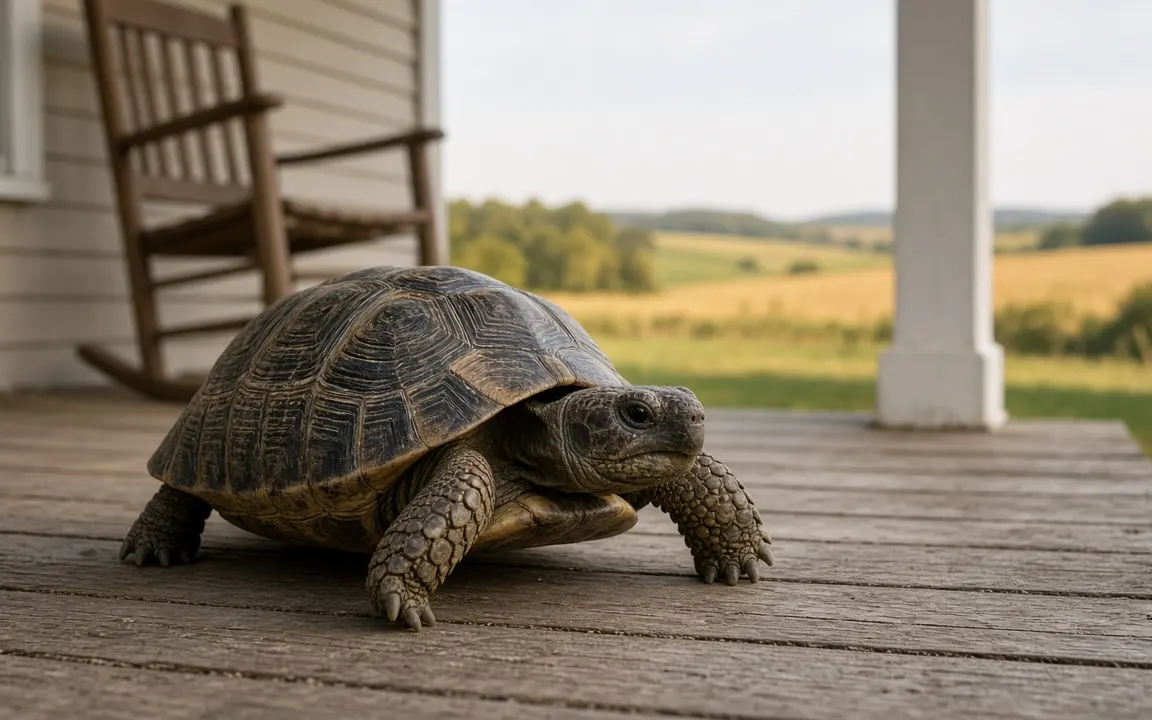
Homer, Alaska
Reptile aftercare in Homer: the local picture
Kachemak Bay, the glaciers across the water and the long gravel beaches of the Spit give Homer some of the most striking views in Alaska. Pets here often spend their lives on the beach, on boats or in the woods above town, and many families want ashes to go back to one of those places. On the beach, watch the tides, which are among the largest in the country.
Homer's climate is milder than most of Alaska, with winter lows usually in the teens and a shorter frozen season. Home burial is often possible from spring to late fall, though bluff soils can be soft or clay-heavy. Bears and moose come through town, so dig deep and cover a grave with rocks. In the coldest months, cremation or waiting for thaw are the usual routes.
If you keep reptiles near Homer under a wildlife or exotic animal permit, check whether your permit asks you to record a death or show how the body was dealt with. Requirements vary by place and species, so we don't list them here. A written cremation certificate from the provider is easy to ask for and covers most record-keeping needs.
With roughly 6,331 residents, Homer is the 10th-largest of the 10 Alaska communities we cover.
Nearby, we also have local pages for Kenai (65 miles) and Anchorage (122 miles, a larger centre), which can help if your vet or the provider you prefer is based there.
74.1%[1]
The NFDA projected Alaska's cremation rate at 74.1% for 2024.
6 million[2]
About 6 million US households keep reptiles.
700,000[3]
There are about 700,000 pet tortoises and turtles in the UK (1.6% of households).
3-5% of body weight[4]
Embrace notes cremated remains typically weigh about 3-5% of the pet's original body weight.
If a number here surprises you, the primary material is UK Pet Food (formerly PFMA) Pet Population 2026 and Embrace Pet Insurance; we only apply it to this.
Burial or cremation? The view from Alaska
Cremation is the everyday choice in Alaska: about 74.1%[1] of people who die there are cremated. That familiarity helps reptile keepers, because local crematories are well established and nobody needs to explain wanting ashes home. The gap is experience with unusual species, so the practical step is simply to ask how often a provider sees snakes, lizards and tortoises.
The Alaska figure comes from NFDA 2024 Cremation & Burial Report state projections (via Occasional Sage) (2024). It describes people, not pets, so read it as a sign of local attitudes rather than a pet statistic.
What Homer's climate means for aftercare
Space heaters come out in January, February, March, April, November and December, and many reptile rooms lean on them. A stuck thermostat can overheat a small enclosure fast. If your reptile died near a heater, ask the vet to look for burns, and check the thermostat and wiring before any other animal goes back in that room.
Cold keeps a body well, but collections can pause in the worst of January, when lows around Homer average about 19°F. Ask whether the vet can keep the body in the practice freezer until the roads clear, rather than trying to keep a large tortoise cold on a porch or in a shed where animals can reach it.
Budgeting for a snake, lizard or tortoise in Homer
Nationally, PetMD puts group (communal) cremation from about $50 and private from about $100[5]. In Homer, the gap between quotes usually comes from the extras rather than the cremation itself: home pickup, after-hours fees and the container. For a tiny reptile, ask whether a partitioned or small-pet private option has a lower minimum.
The full price table by size is on our Alaska page, and the services page explains what each option includes.

Free tool
Cremation cost calculator
Estimate a realistic price range for your pet's size, location and the type of cremation.
Permits, paperwork and burial in Alaska
You don't need anyone's permission to have your snake, lizard or tortoise cremated. Home burial and scattering are different: Alaska and your local council or county may set conditions such as depth or distance from water. If your reptile came with paperwork, such as a captive-breeding certificate for a protected tortoise, keep it with the ashes or the shell.
Not sure which office covers Homer? The Alaska local government directory is the official list.
We keep Alaska's burial and scattering rules in one place: the Alaska rules summary. Before a home burial in Homer, also ask the city whether local ordinances add anything.
Step by step, from first check to ashes
- Confirm the death first. A cold, sick or brumating reptile can look lifeless. Keep it at its usual enclosure temperature and ask a reptile or exotics vet to check for a heartbeat.
- Put on disposable gloves before handling, and wash your hands for at least 20 seconds afterwards. Reptiles often carry Salmonella.
- Double-bag the body and place it in a lidded, labelled tub in the fridge, away from food. Freeze it only if the wait will be long and you don't want a post-mortem.
- Decide about keepsakes now: a shed skin from the enclosure, a photo of the markings or, for a tortoise, whether to keep the shell.
- Contact a provider through your vet or directly, giving species, weight and, for a snake, length. We can also send you local options.
- Ask for a written total that says whether the cremation is private, partitioned or communal.
- Leave the enclosure for now if you keep other reptiles, and clean it thoroughly before anything else lives in it.
Sheds, shells and keepsakes
Homer sits at the end of the Sterling Highway, about 220 road miles from Anchorage, where the road runs out on the Homer Spit in Kachemak Bay. Many residents live on the bluffs, out East End Road or up Skyline Drive rather than in town. That distance from Anchorage matters for pet aftercare, so most families here rely on what the southern peninsula itself offers, and plan the drive only if they need to.
look through our guides and the blog, or see what other families chose in the poll results, run the numbers with the free planning tools, The services page is the place to compare what is included. You can also browse every city in the United States. Nearby, we also cover Ketchikan, Anchorage, Wasilla and Sitka, and every city in Alaska.

Reader polls
What would you choose?
Vote anonymously and see how other readers answered. The results are live counts from people who visit this site, so they show real opinions, not a scientific sample.
When your reptile seemed to have died, how sure were you at first?
Tap an answer to vote and see how others answered. Anonymous.
What did you do with the enclosure after your reptile died?
Tap an answer to vote and see how others answered. Anonymous.
If you had to decide today, which aftercare would you choose for your pet?
Tap an answer to vote and see how others answered. Anonymous.

Free tools to help you plan
Cremation cost calculator
Estimate a realistic price range for your pet's size, location and the type of cremation.
Ashes weight estimator
See roughly how much ash to expect back, by species and body weight.

Pet age & senior years calculator
Convert your pet's age and see when senior-care and planning conversations usually start.
Questions people ask
How does Homer's weather affect reptile aftercare?
July is the hottest month in Homer, with average highs around 63°F, so prompt collection matters most then. Average lows drop below freezing in January, February, March, April, November and December, which can make digging a grave hard until spring.
Which nearby towns can I compare with Homer?
The closest communities we cover are Kenai (about 65 miles) and Anchorage (about 122 miles). Providers based in those places often serve Homer too. Ask each one for a written total that includes collection, so the distance is priced in.
How do Alaska attitudes to cremation compare?
NFDA 2024 Cremation & Burial Report state projections (via Occasional Sage) (2024) puts the Alaska human cremation rate at about 74.1%[1]. We show it on the Homer page because pet aftercare choices tend to track it: where cremation is normal for people, communal and private pet cremation are both easy to find.
How much ash will I get back from my reptile?
Cremated remains weigh roughly 3-5% of body weight[4], so the amount follows size closely. A leopard gecko returns a gram or two, a bearded dragon about a tablespoon, a ball python a few ounces and a large tortoise several pounds. Shelled species return a little more because the shell is bone. The ashes weight estimator gives a figure for your pet.
Can I freeze my reptile before cremation?
Yes, once death is definitely confirmed. Double-bag the body, place it in a labelled, lidded tub and keep it away from food. Freeze only if the wait will be more than a couple of days and you don't want a post-mortem, because freezing damages tissue. For shorter waits, the fridge is enough.
Will a crematory near Homer accept a snake?
Most pet crematories will cremate a snake, but experience varies. Give the species, weight and length when you call. A long python may need to be coiled into a container that fits the chamber door, and a few smaller operations have a size limit. Ask how often they handle snakes and whether the cremation is private.


Sources and our estimates
- [1] The NFDA projected Alaska's cremation rate at 74.1% for 2024. NFDA 2024 Cremation & Burial Report state projections (via Occasional Sage), 2024.
- [2] About 6 million US households keep reptiles. American Pet Products Association (APPA) 2025 National Pet Owners Survey release, 2025.
- [3] There are about 700,000 pet tortoises and turtles in the UK (1.6% of households). UK Pet Food (formerly PFMA) Pet Population 2026, 2026.
- [4] Embrace notes cremated remains typically weigh about 3-5% of the pet's original body weight. Embrace Pet Insurance - Bury or Cremate Your Dog? Costs, Pros & Cons, 2025.
- [5] PetMD says US group (communal) cremation costs from about $50 and private cremation from about $100. PetMD - Pet Euthanasia: How Much Does It Cost? (July 2025), 2025.
- [6] The median price multiple of private (ashes returned) over communal cremation across 8 markets is about 2.0x, ranging from 1.25x (Tokyo) to 5.2x (Auckland). Our estimate: median(private_price / communal_price) same weight band: US CareCredit 51-70 lb midpoints (250/75) = 3.33x; Auckland 15-25 kg (445/85) = 5.24x; Norway 1-20 kg (3790/1190) = 3.18x; Singapore 10-20 kg (480/260) = 1.85x; Ontario 25-250 lb (549/279) = 1.97x; Tokyo 20-30 kg (38500/30800) = 1.25x; France 20 kg midpoints (200/95) = 2.11x; Germany range midpoints (270/145) = 1.86x. How we calculate.
Get reptile cremation options in Homer
Tell us what you need and where you are. We'll reply by email with clear options and prices so you can decide in your own time.